
What Does Hail Damage Look Like on Different Roofing Materials?
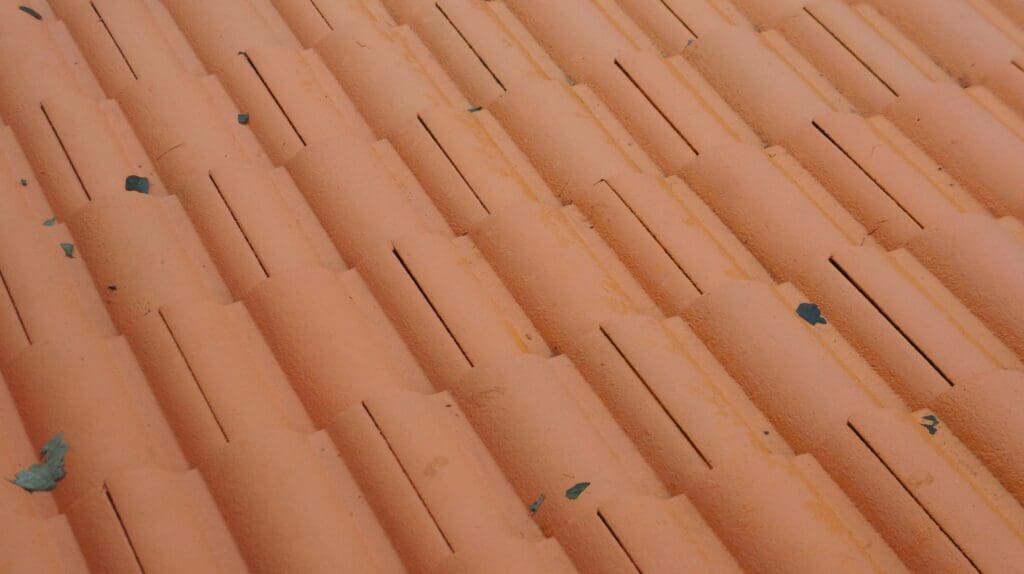
Hail damage looks different depending on the roofing material. Asphalt shingles may show dark impact marks or missing granules. Clay and concrete tiles can develop cracks or broken edges. Metal roofs may have dents, while TPO, PVC, and spray foam roofing systems can suffer punctures, coating damage, or less obvious damage beneath the surface. Not…
Read MoreWhy Is My Tile Roof Leaking Even When the Tiles Look Fine?
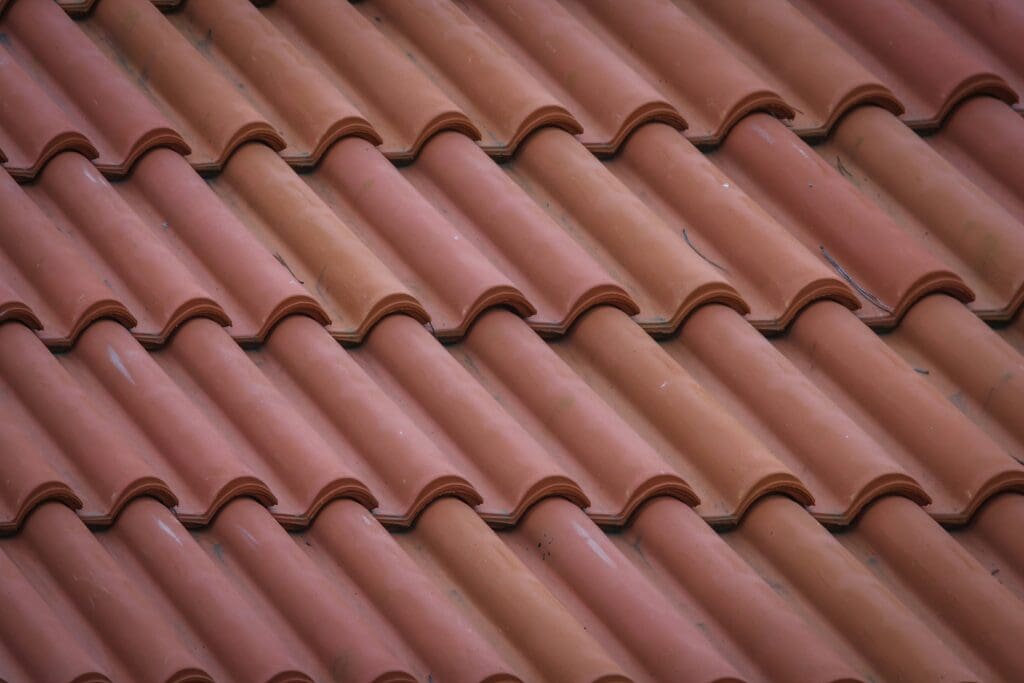
Your tile roof can leak even when every visible tile appears intact. The problem may be hidden beneath the tiles, where deteriorated underlayment, damaged flashing, improperly sealed roof penetrations, or drainage problems allow water to enter the roofing system. Clay and concrete roof tiles are designed primarily to shed rainwater. They are an important part…
Read MoreHow Do I Know When a Foam Roof Needs Recoating?
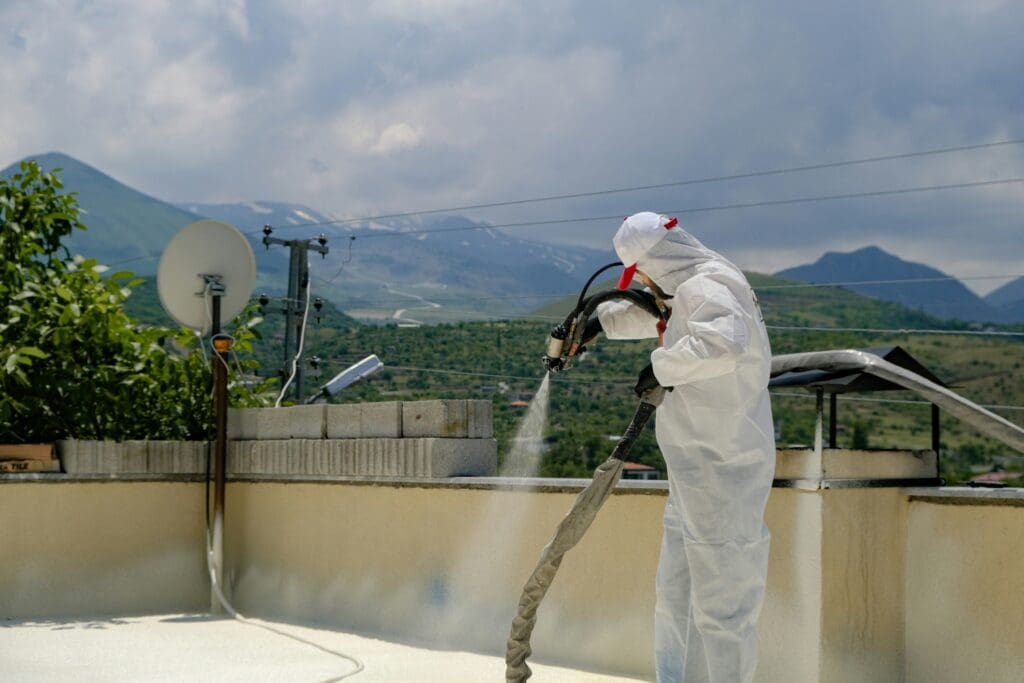
Your foam roof may need recoating when its protective surface begins to wear thin, crack, peel, or expose the foam underneath. Fading and a chalky appearance can also indicate aging, although these changes alone do not necessarily mean the roof needs a new coating. The key is determining whether the protective coating is still doing…
Read MoreWhat Causes Parapet Wall Cracks to Turn into Roof Leaks?
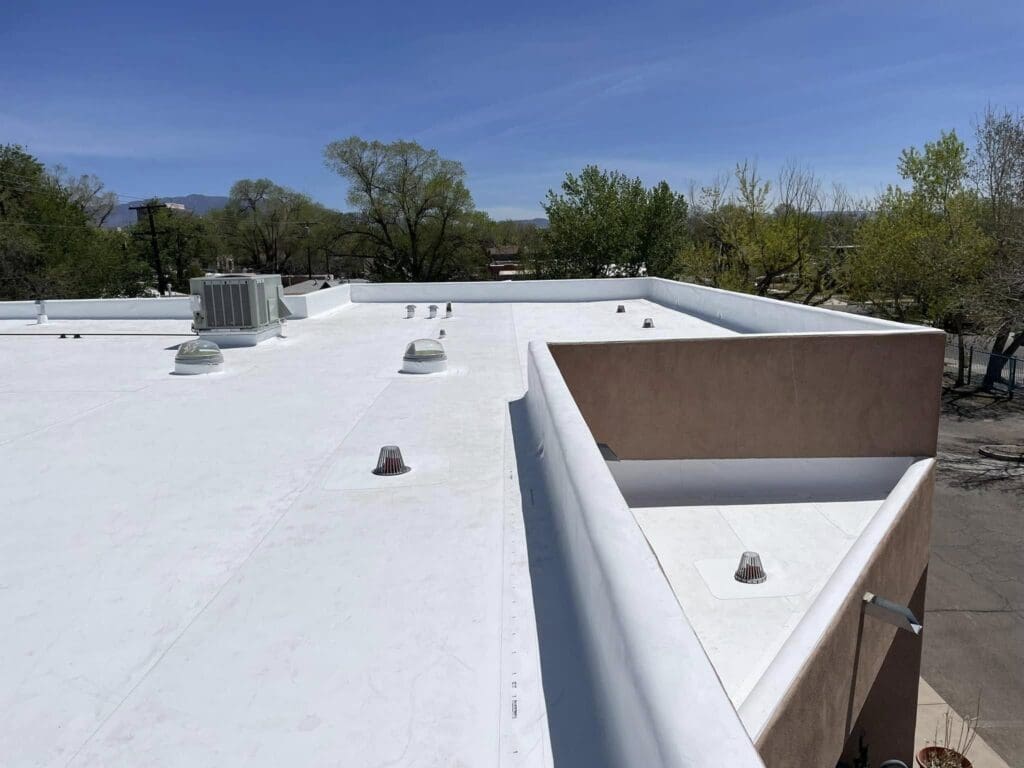
Parapet wall cracks can turn into roof leaks when rainwater or melting snow passes through an opening in the wall’s protective roofing or waterproofing system. The problem often develops around parapet caps, roof-to-wall flashing, membrane connections, and drainage openings called canales. Not every parapet crack causes a roof leak. Some cracks affect only the outer…
Read MoreWhy Is Water Coming Through My Parapet Wall After Rain or Snow?
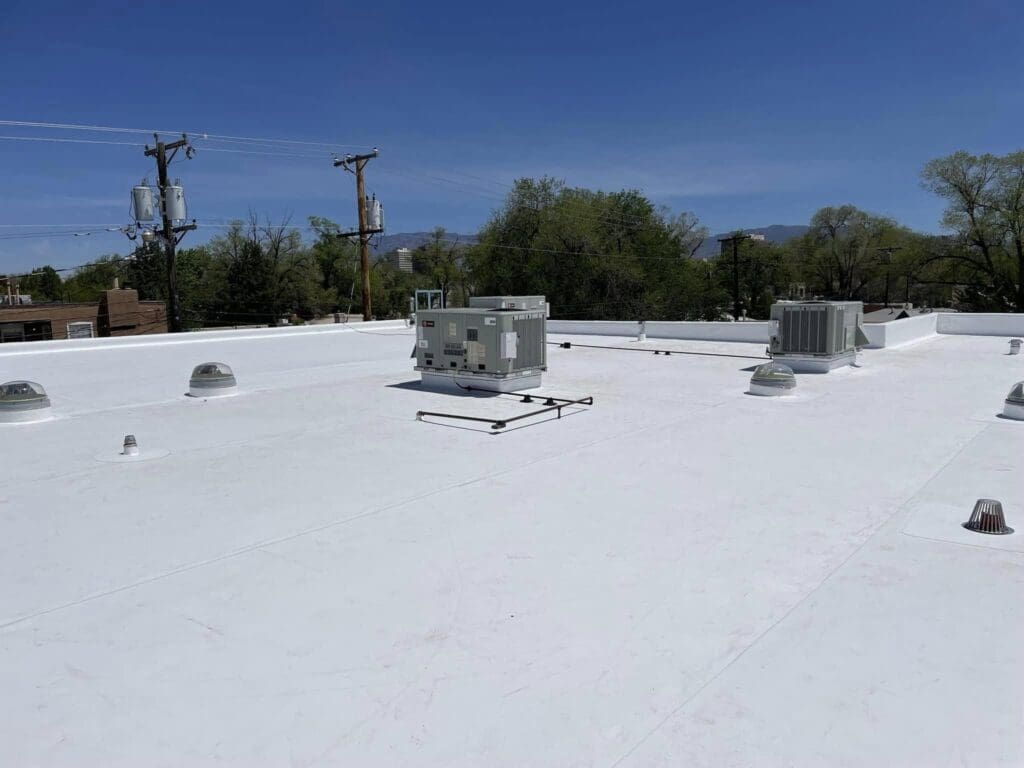
Water coming through a parapet wall after rain or snow usually means moisture has found a way past the wall’s protective roofing, flashing, or exterior finish. Possible entry points include damaged parapet caps, loose roof-to-wall flashing, cracked canales, deteriorated membrane connections, or openings in stucco. The location of the water stain does not necessarily identify…
Read MoreIs a Metal Roof a Good Choice for New Mexico Homes and Buildings?
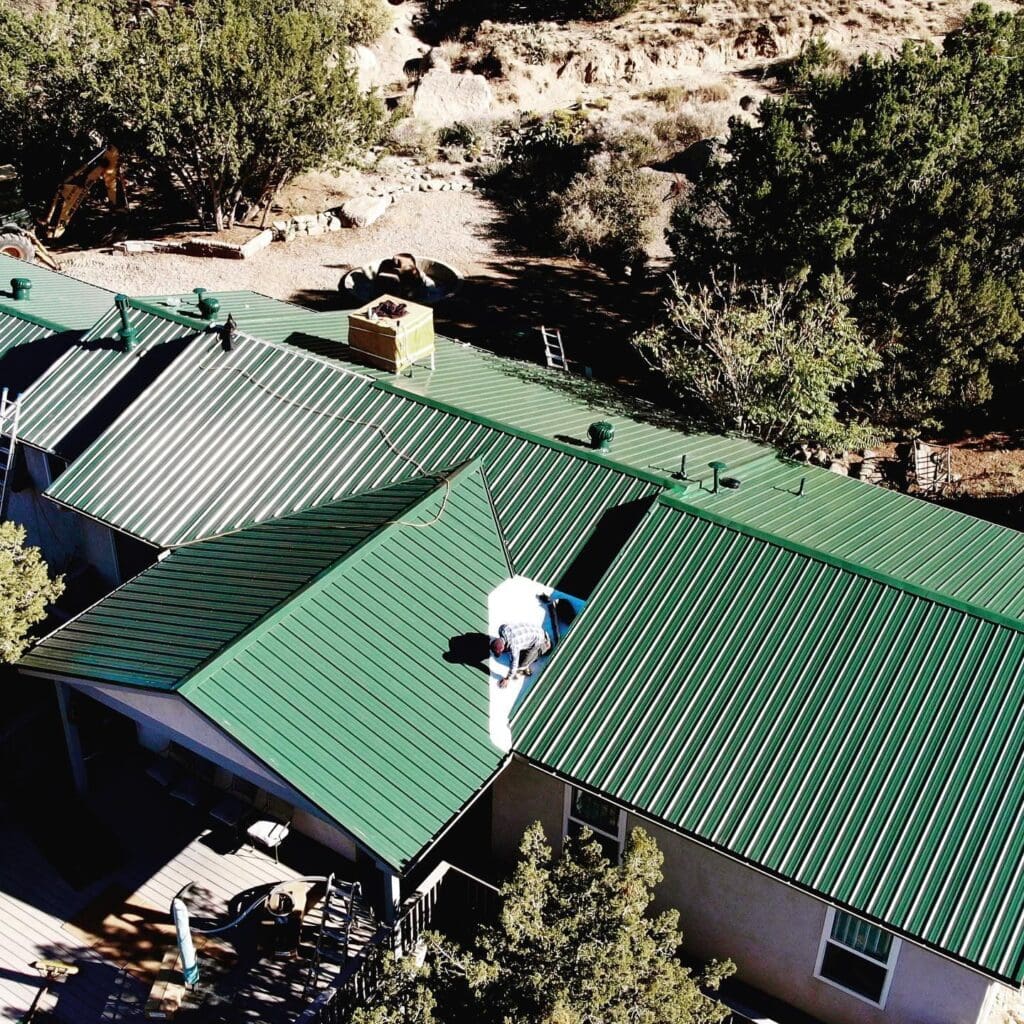
Yes, a metal roof can be an excellent choice for homes and commercial buildings in New Mexico, particularly when the roofing system is selected and installed to handle the property’s roof slope, weather exposure, drainage requirements, and long-term maintenance needs. Metal roofing offers several advantages in Albuquerque and Santa Fe, including resistance to everyday weather…
Read MoreWhat Roof Maintenance Should I Do Before the Albuquerque Monsoon Season?
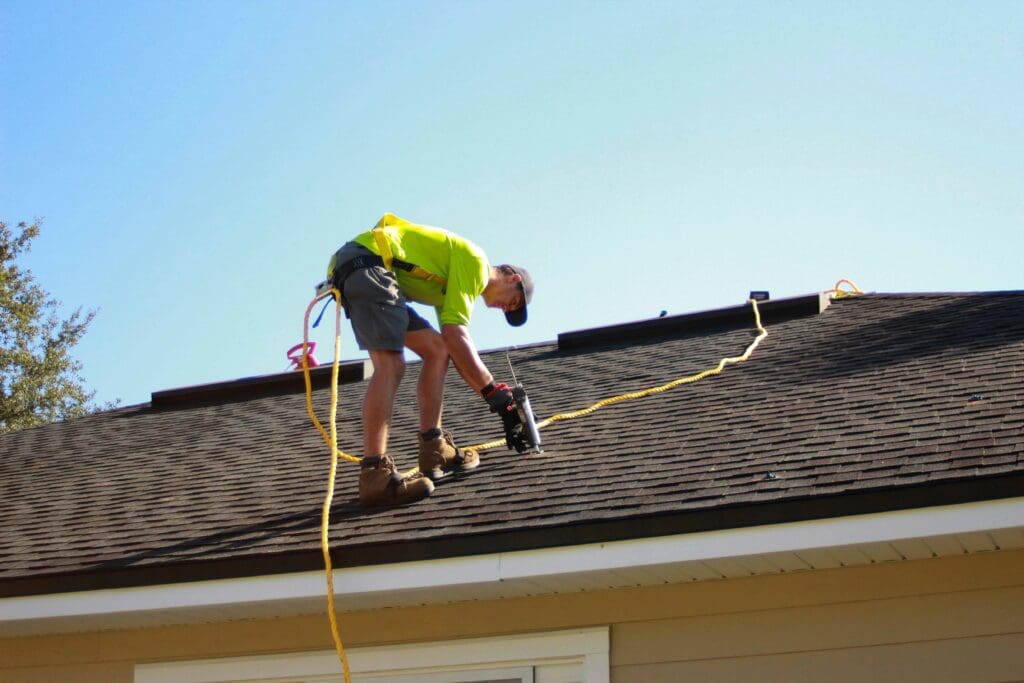
Before Albuquerque’s monsoon season, the most important roof maintenance is to check drainage paths, inspect roof canales and flashing, look for deteriorated roofing materials, and address signs of existing leaks. Flat roofs deserve particular attention because blocked drainage openings or damaged waterproofing can allow heavy rainfall to collect where it should flow away. You can…
Read MoreHow Long Does Tile Roof Underlayment Last in New Mexico?
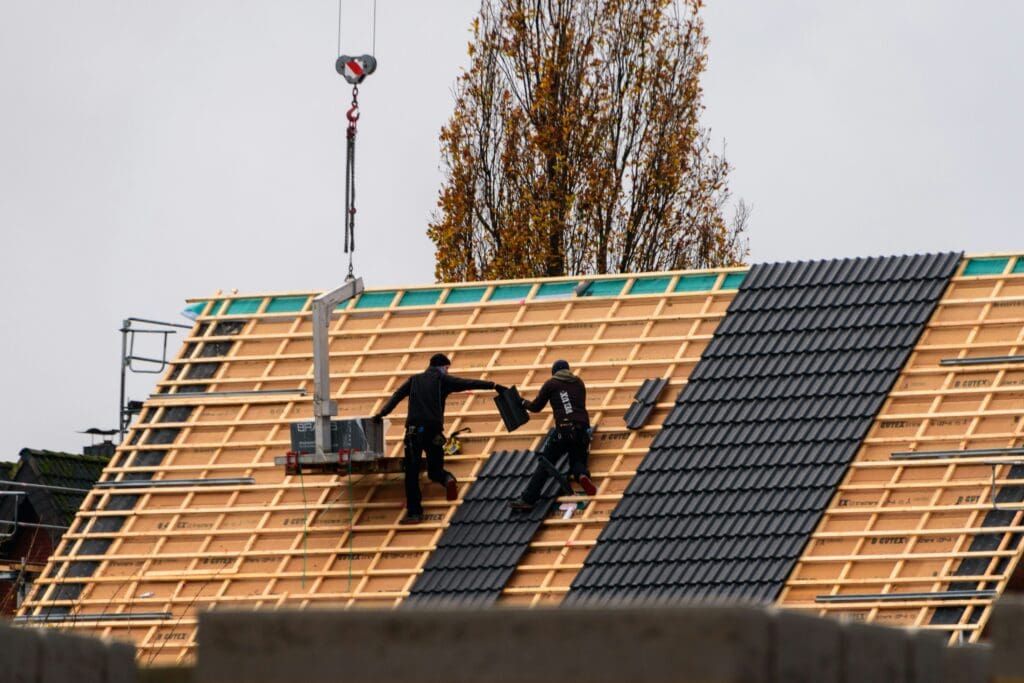
Tile roof underlayment does not have one guaranteed lifespan in New Mexico. Its service life depends on the material installed, the quality of the original installation, the roof’s condition, and exposure to heat, moisture, and changing weather. The underlayment may need replacement long before the clay or concrete tiles above it wear out. This distinction…
Read MoreHow Long Does a Metal Roof Last in New Mexico?
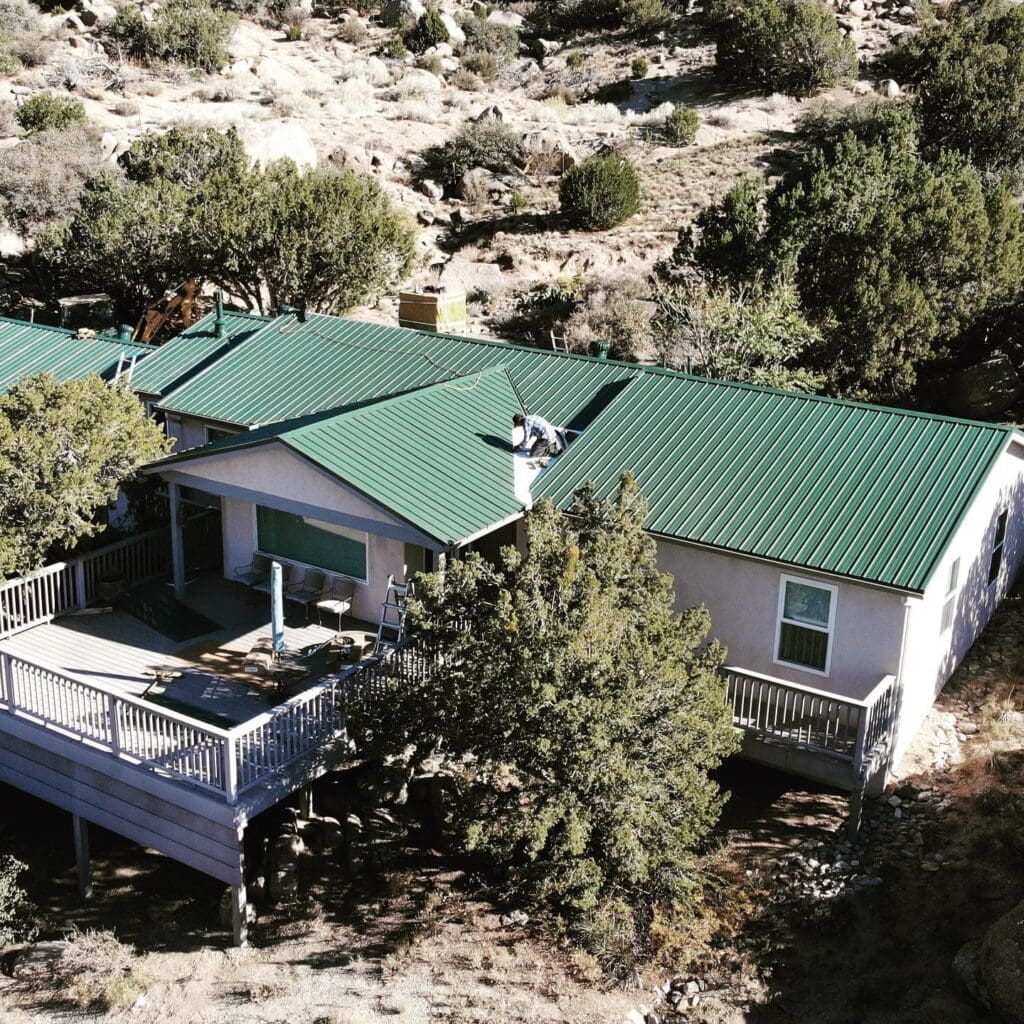
A properly installed and maintained metal roof can last several decades in New Mexico, with some systems capable of providing 40 to 70 years of service under favorable conditions. Actual lifespan depends on the metal, panel design, protective coating, installation quality, weather exposure, and maintenance. Standing-seam metal roofs generally have fewer exposed fastening points than…
Read MoreHow Do I Know If My Commercial Roof Has Wet Insulation?

You usually cannot confirm wet commercial roof insulation just by looking at the roof or waiting for water to drip inside the building. Recurring leaks, soft or spongy areas, blistering, repeated repairs, ceiling stains, or unexplained changes in roof performance can justify a moisture investigation, but none of those clues proves by itself that the…
Read MoreWhy Is My Roof Leaking Around a Skylight?
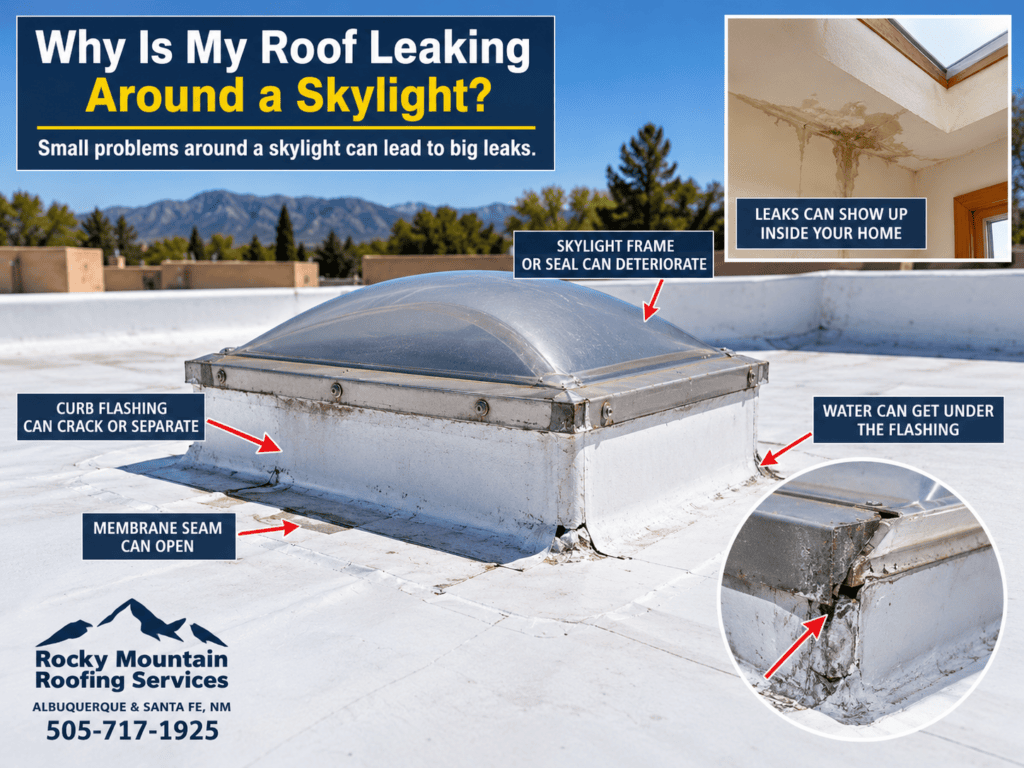
Rocky Mountain Roofing Services Albuquerque • Santa Fe • Central and Northern New Mexico | 505-717-1925 Direct Answer: Water around a skylight often comes from the weatherproofing around the opening – flashing, underlayment, a curb or the surrounding roofing – but the skylight frame or glazing can also leak, and interior condensation can imitate a…
Read MoreHow Can I Tell If Roof Flashing Is Causing a Leak?
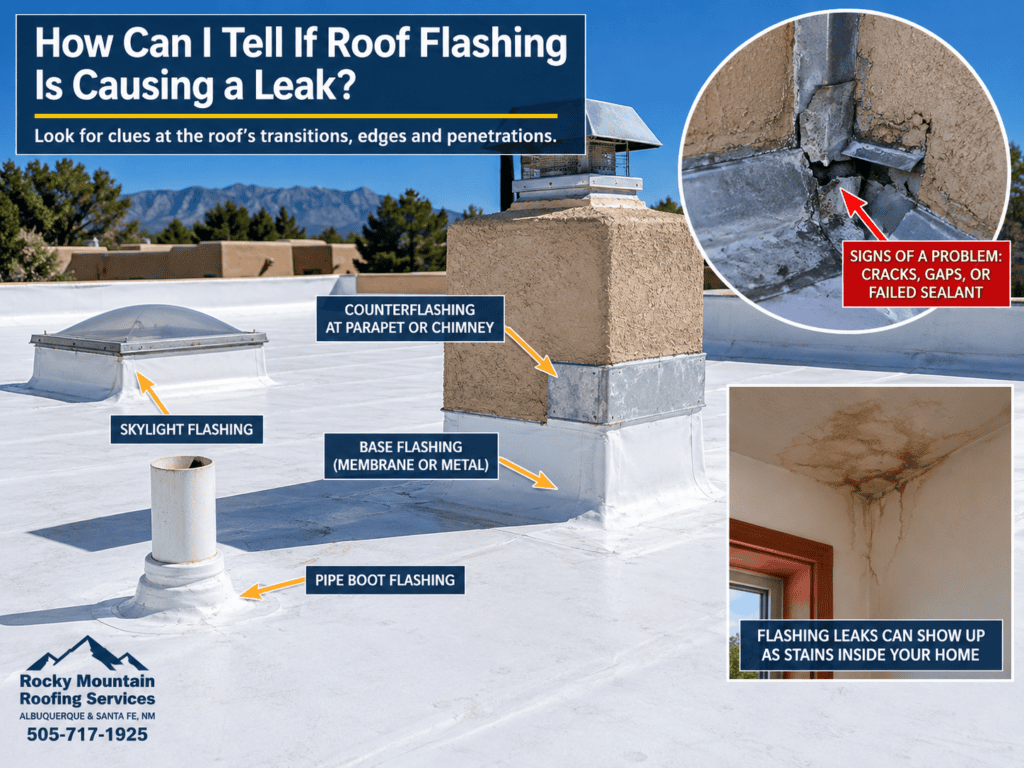
Roof flashing is a strong suspect when a leak appears near a place where the roof changes direction, meets a wall, or surrounds a penetration such as a chimney, skylight, plumbing vent, or rooftop HVAC curb. Visible separation, an open lap, cracked or hardened sealant, corrosion, a deteriorated pipe boot, loose metal, or membrane pulling…
Read MoreWhy Is My Roof Leaking Around a Plumbing Vent Pipe?
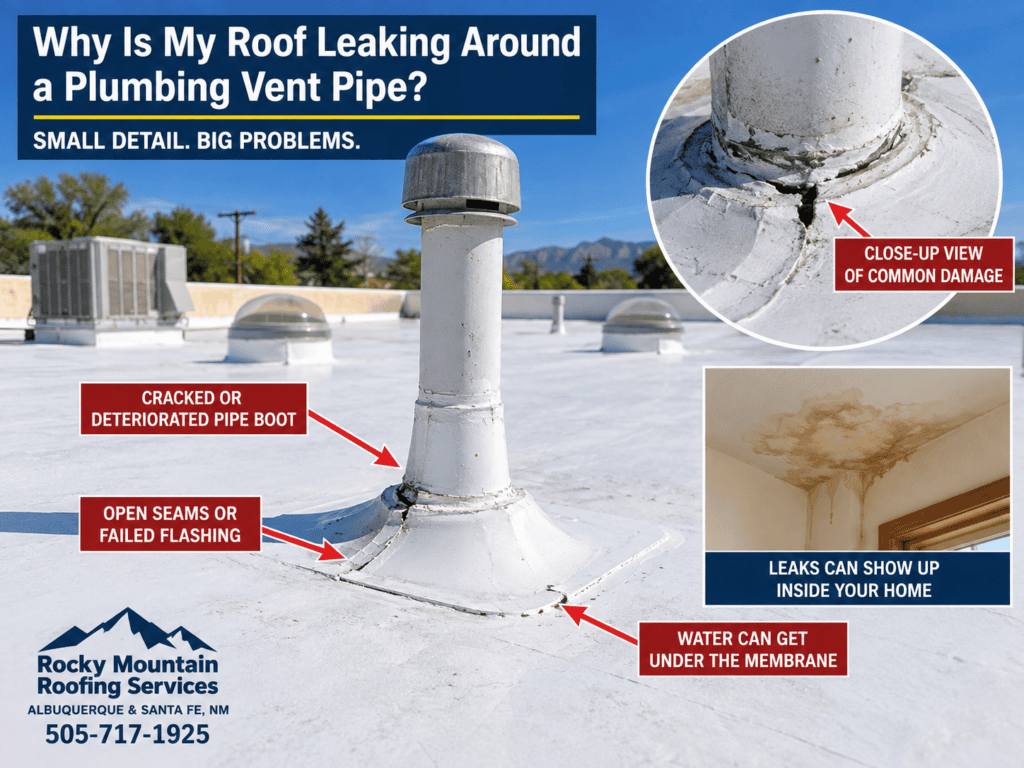
Rocky Mountain Roofing Services | Albuquerque & Santa Fe, New Mexico Direct answer: A roof leak near a plumbing vent pipe usually means water is getting past the weatherproofing where the pipe penetrates the roof—not that the plumbing vent itself is necessarily leaking. On a shingle roof, the problem may involve a cracked pipe boot,…
Read MoreShould I Have My Roof Inspected After a Hailstorm Even If It Is Not Leaking?
Yes. After a significant hailstorm, having your roof professionally inspected can be worthwhile even when nothing is leaking inside your home or building. A dry ceiling tells you that water is not reaching that interior location now. It does not tell you whether hail affected shingles, tile, a roof membrane, foam or coating, flashing, vents,…
Read MoreCan a Rooftop Swamp Cooler Cause a Roof Leak Even When the Cooler Is Off?
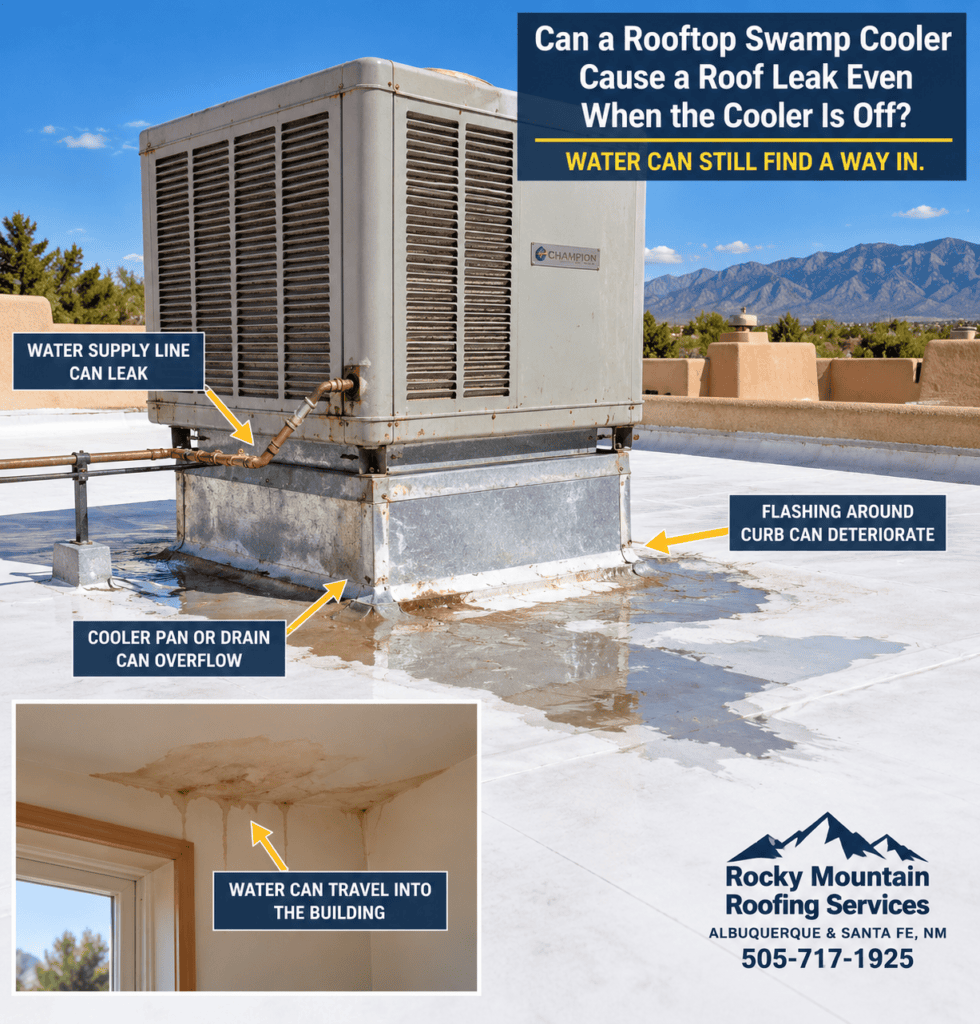
Yes. A rooftop swamp cooler can still be associated with a roof leak even when the cooler is turned off. The reason is simple: switching off the fan or pump does not necessarily shut off the water supply, empty the cooler pan, or stop rain from entering around the roof penetration. That distinction is especially…
Read MoreWhy Does My Commercial Roof Keep Leaking in Different Places?
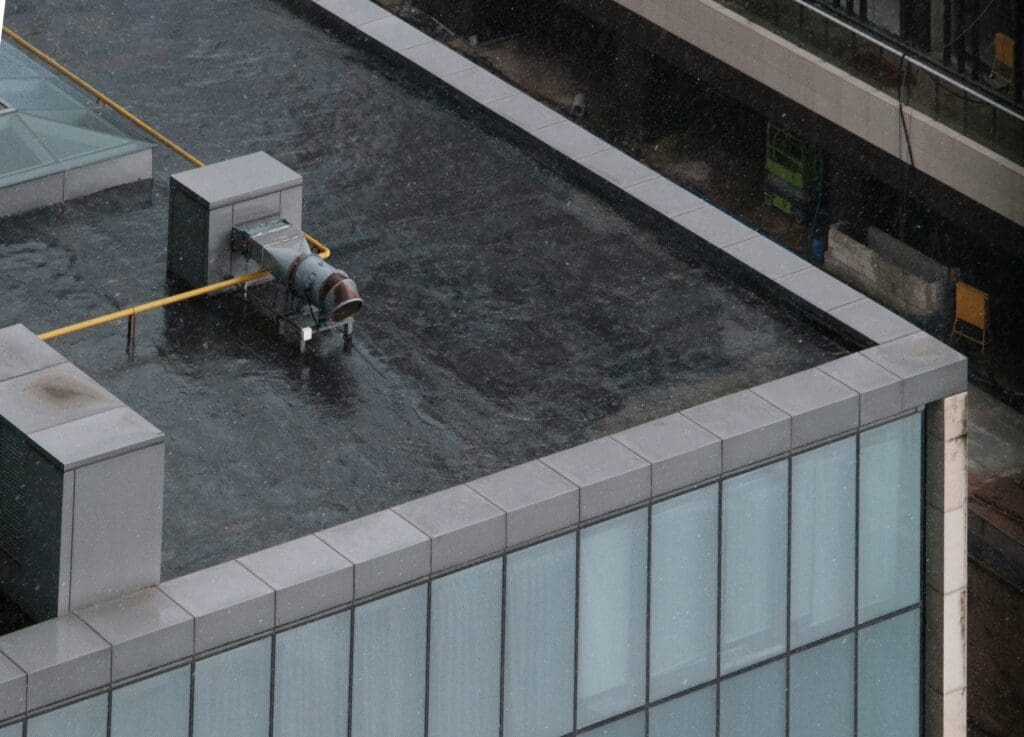
A commercial roof that keeps leaking in different places may have several separate defects, one exterior entry point with water traveling inside the roof assembly, concealed moisture that is redistributing, or a non-roof source such as HVAC condensate, plumbing, wall leakage, or condensation. The changing ceiling location by itself cannot tell you which explanation is…
Read MoreCan a Cracked Canale Cause Water to Leak Into a Wall?
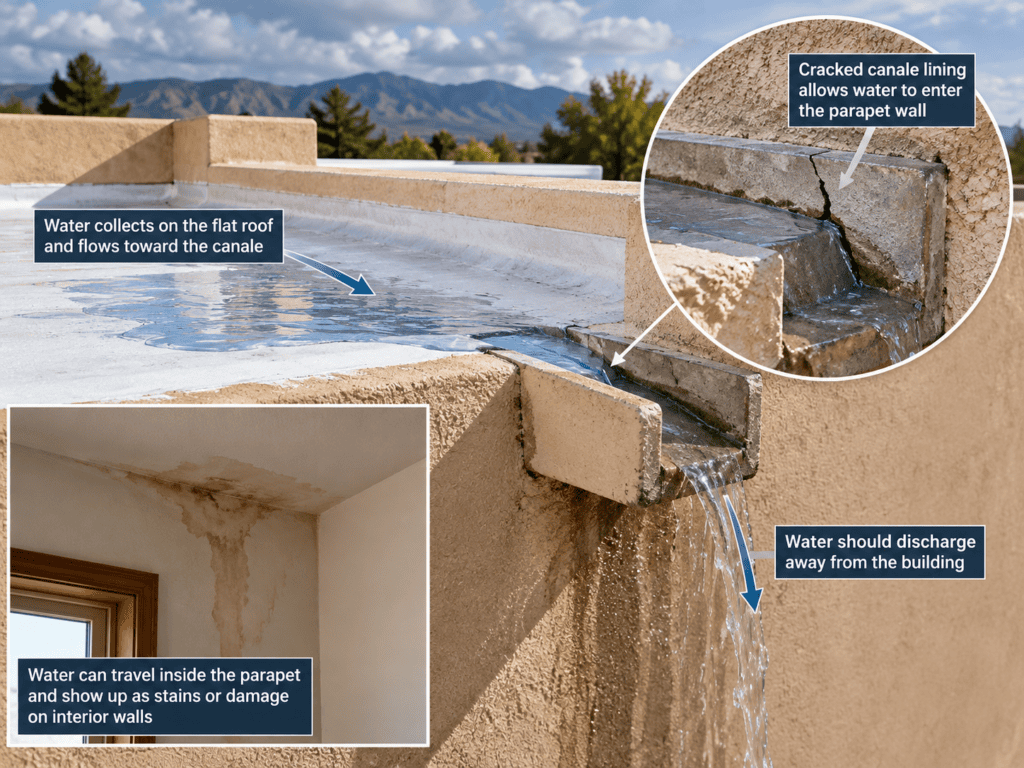
Yes. A cracked, deteriorated, or poorly flashed roof canale can allow rainwater to enter a parapet or exterior wall instead of carrying it safely away from the building. The risk is greater when the damage affects the water-carrying pan or lining, the canale throat where it passes through the parapet, or the flashing that ties…
Read MoreWhy Is My Flat Roof Leaking Around an HVAC Unit?
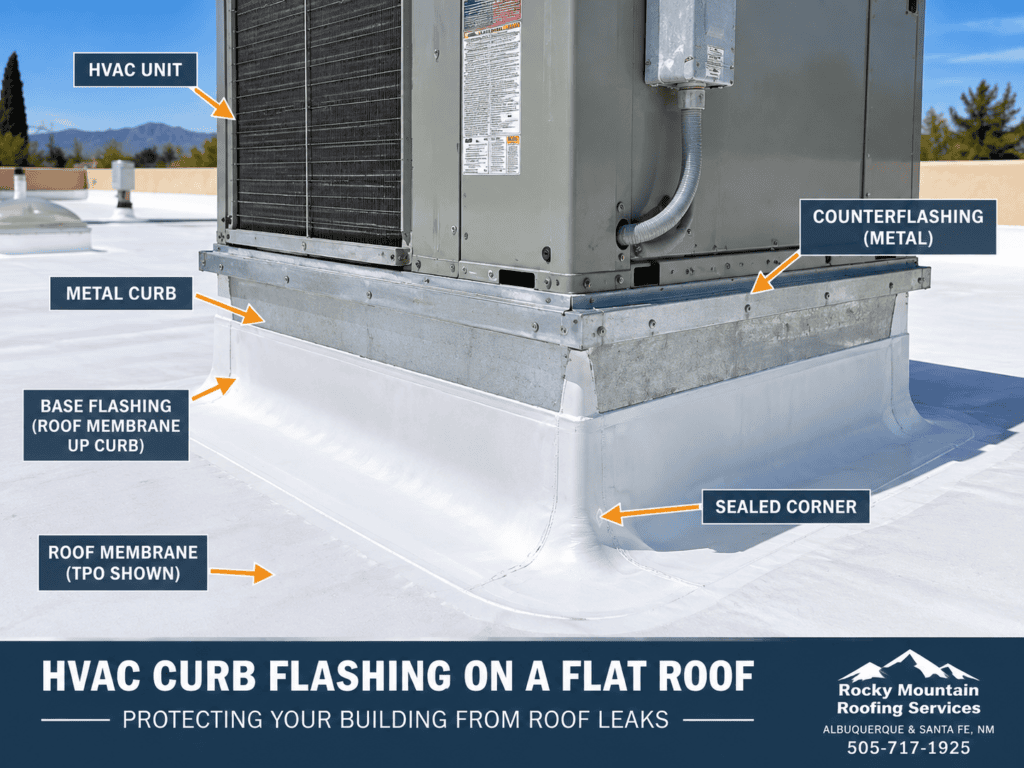
A flat roof leak that appears around a rooftop HVAC unit can come from the roof, the equipment, or the transition where the two meet. Common roof-side sources include deteriorated HVAC curb flashing, open membrane seams or corners, nearby penetrations, punctures, and water that ponds around the unit. Equipment-side sources can include condensate drainage or…
Read MoreWhy Is Water Backing Up Around My Roof Canale?
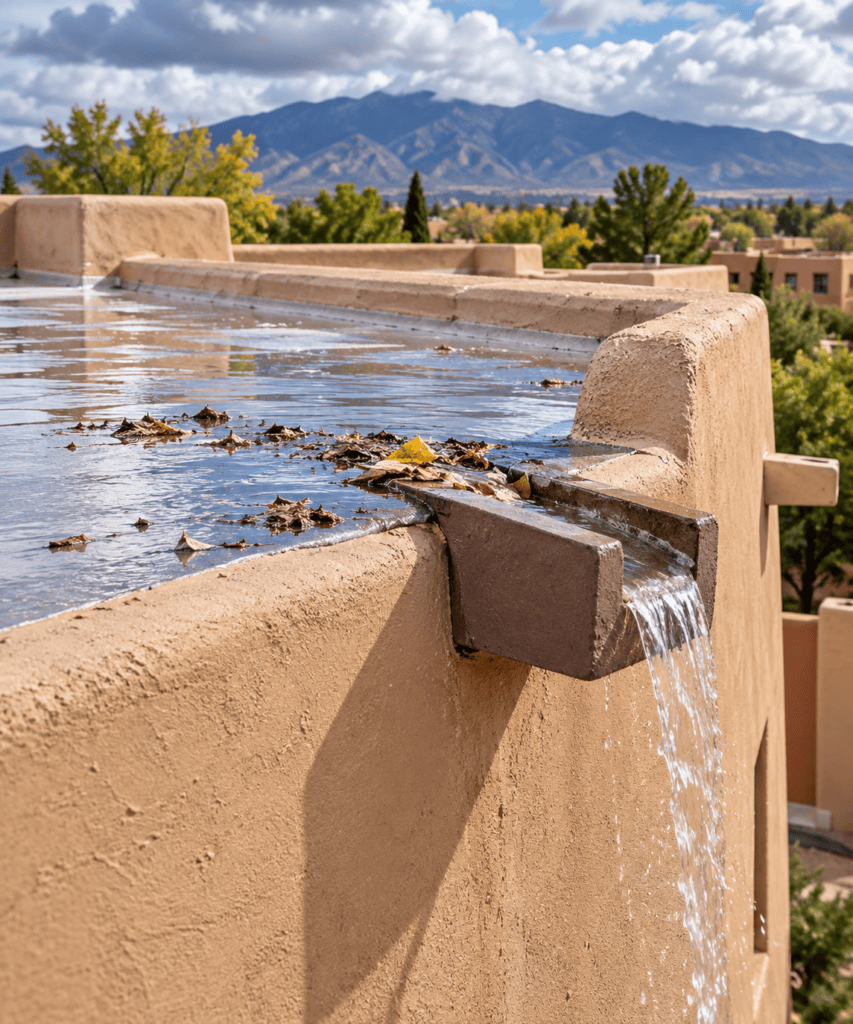
A New Mexico guide to canale drainage, ponding, flashing problems, and roof leaks Water backing up around a roof canale usually means water is not moving through that drainage outlet as intended. A partial blockage is one possibility, but it is not the only one. The opening may be restricted, the roof may not be…
Read MoreWhat Is a TPO Roof? Is It Good for New Mexico Buildings?
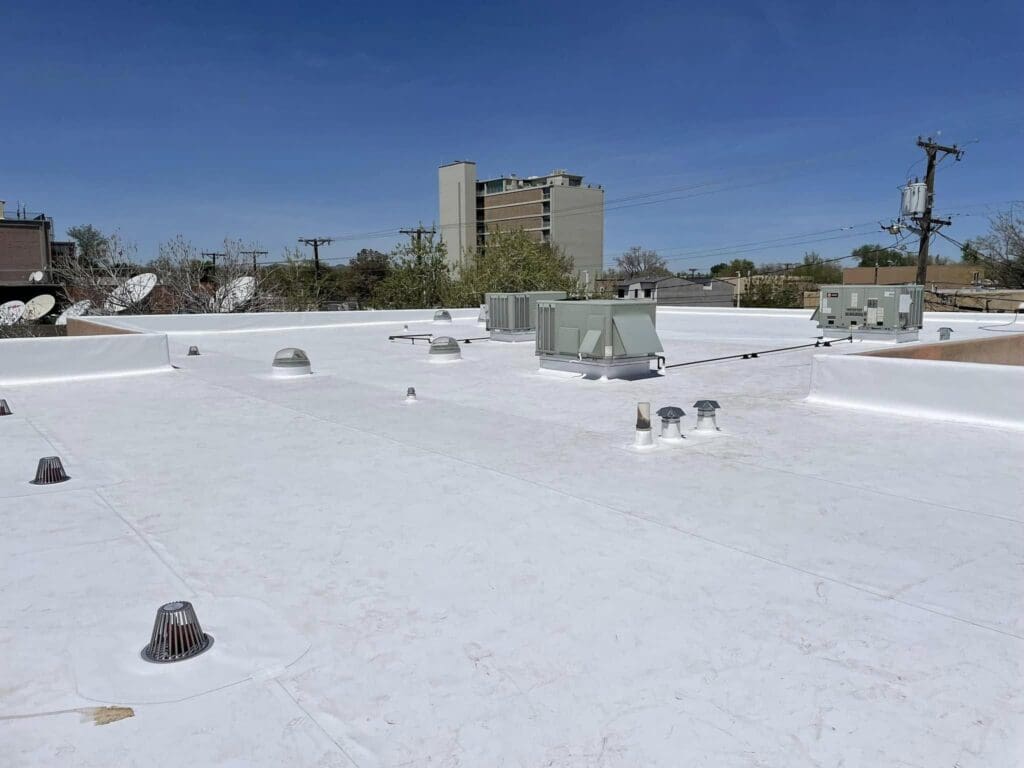
TPO, or thermoplastic polyolefin, is a single-ply roofing membrane commonly used on flat and low-slope roofs. It can be a good option for many New Mexico commercial buildings and some homes because reflective TPO surfaces and heat-welded seams suit many applications. However, proper installation, drainage, insulation, flashing, maintenance, and the condition of the building all…
Read MoreWhy Do TPO Roof Seams Fail?
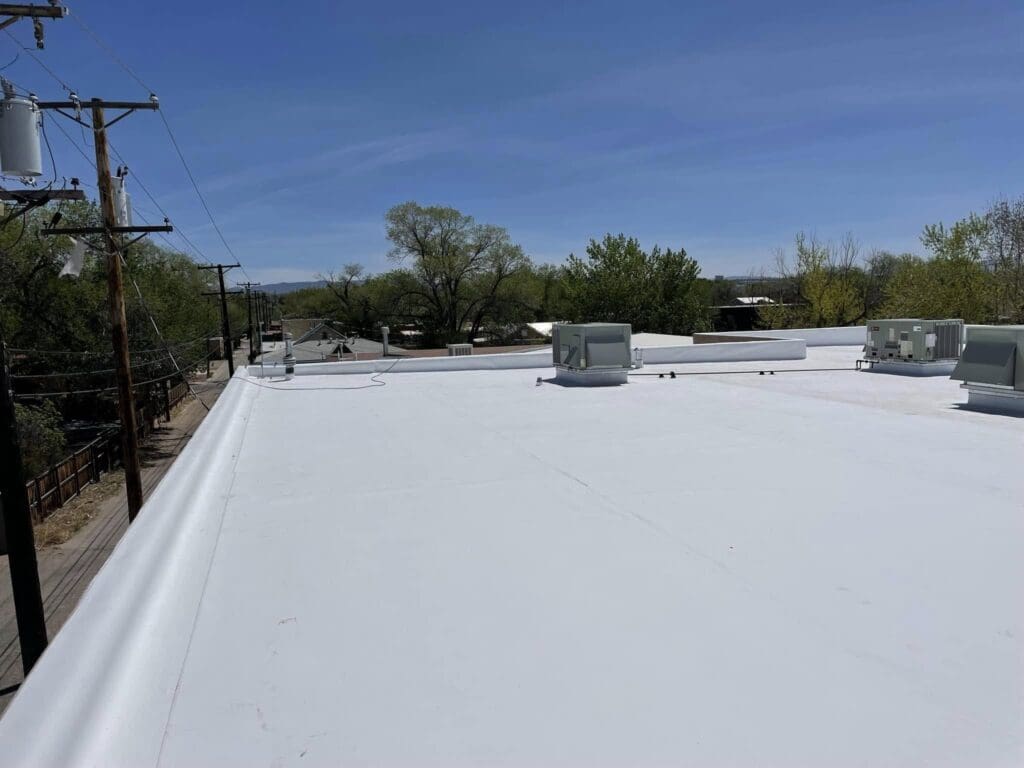
TPO roof seams can fail because of incomplete heat welding, contamination, improper welding conditions, insufficient pressure, membrane movement, aging, wind stress, rooftop damage, or poor previous repairs. An isolated failed seam may often be repaired, but repeated seam failures can indicate a broader problem involving installation, moisture, attachment, or the overall roofing system. For property…
Read MoreWhat Is the Best Roofing Material for a Flat Roof in New Mexico?
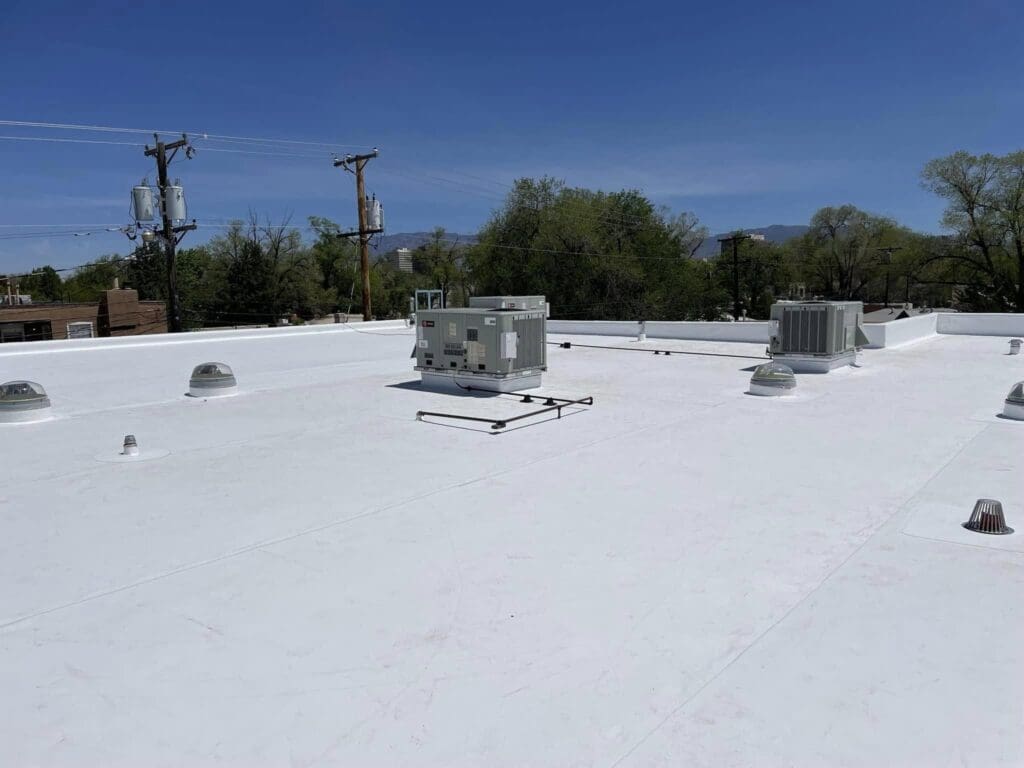
There is no single best roofing material for every flat roof in New Mexico. TPO, PVC, spray foa, modified bitumen, built-up roofing, and roof coatings each have advantages. The best choice depends on the building, existing roof, drainage, UV and storm exposure, insulation needs, rooftop traffic, chemical exposure, maintenance goals, and budget. Choosing a flat…
Read MoreWhat Is the Best Roofing Material for a Flat Roof in New Mexico?
There is no single best roofing material for every flat roof in New Mexico. TPO, PVC, spray foam, modified bitumen, built-up roofing, and roof coatings each have advantages. The best choice depends on the building, existing roof, drainage, UV and storm exposure, insulation needs, rooftop traffic, chemical exposure, maintenance goals, and budget. Choosing a flat…
Read MoreHow Long Does a TPO Roof Last in New Mexico?
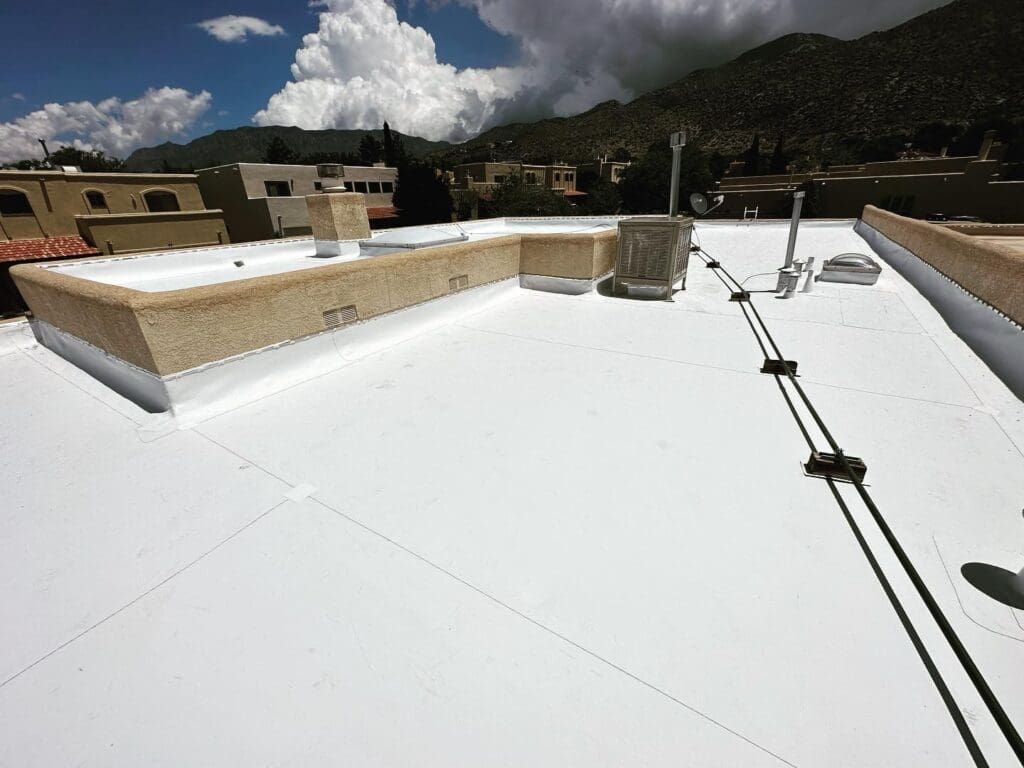
A properly installed and maintained TPO roof can provide many years of reliable service in New Mexico, but there is no single lifespan that applies to every roof. TPO roof longevity depends on membrane quality and thickness, installation, drainage, UV and weather exposure, rooftop traffic, maintenance, and how quickly developing problems are repaired. That last…
Read MoreHow Does Hail Damage a TPO Roof?
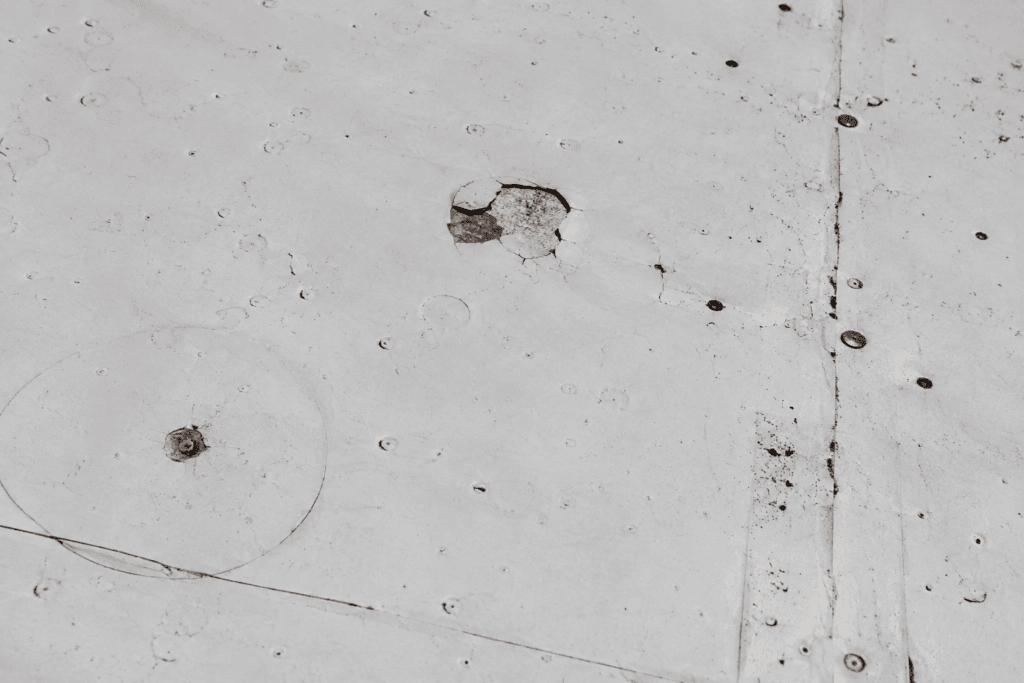
Hail can damage a TPO roof by puncturing or weakening the membrane, stressing seams and flashing, and damaging cover board, insulation, or rooftop details below and around the surface. The severity depends on hail size, wind, impact angle, membrane condition, roof age, substrate, and the complete roofing assembly. For commercial property owners in Albuquerque and…
Read MoreTPO vs. PVC Roofing: Which Is Better?
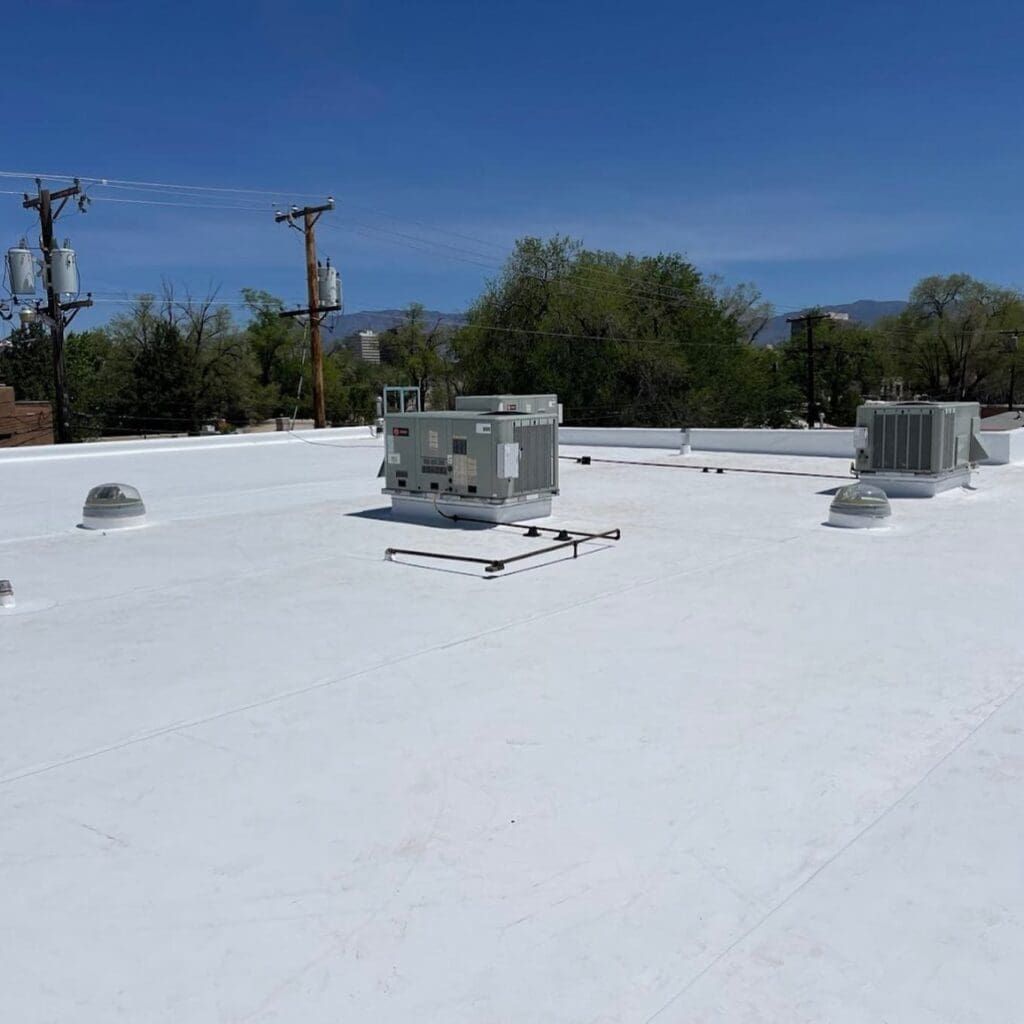
Neither TPO nor PVC is universally better. Both are reflective, heat-welded single-ply membranes commonly used on flat and low-slope roofs. TPO is often attractive for broad commercial roofing applications and overall value, while PVC can be particularly useful where chemical, grease, or oil exposure is a concern. The better choice depends on the building, roof…
Read MoreCan You Walk on a TPO Roof Without Damaging It?
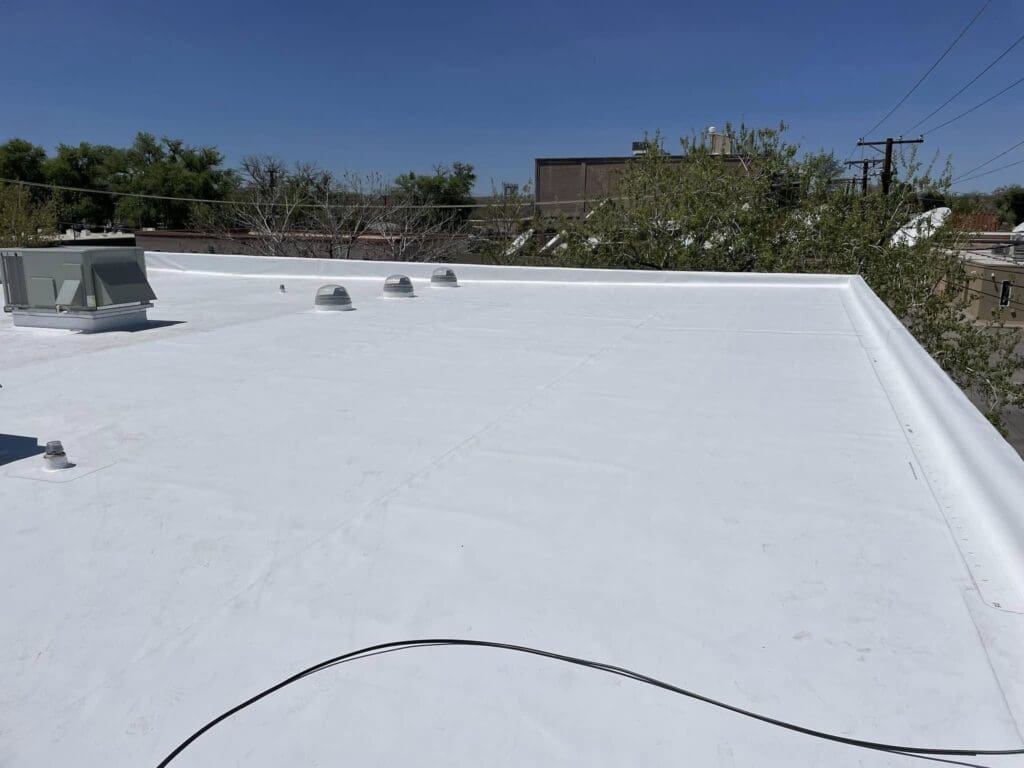
Yes. Limited, necessary foot traffic is generally possible on many properly installed TPO roofs, but a TPO membrane should not be treated as a general walking surface. Repeated traffic, sharp objects, dropped tools, loose fasteners, carts, concentrated loads, and walking over wet or weakened areas can puncture or damage the roofing system. For commercial property…
Read MoreCan a TPO Roof Be Repaired or Does It Need Replacement?
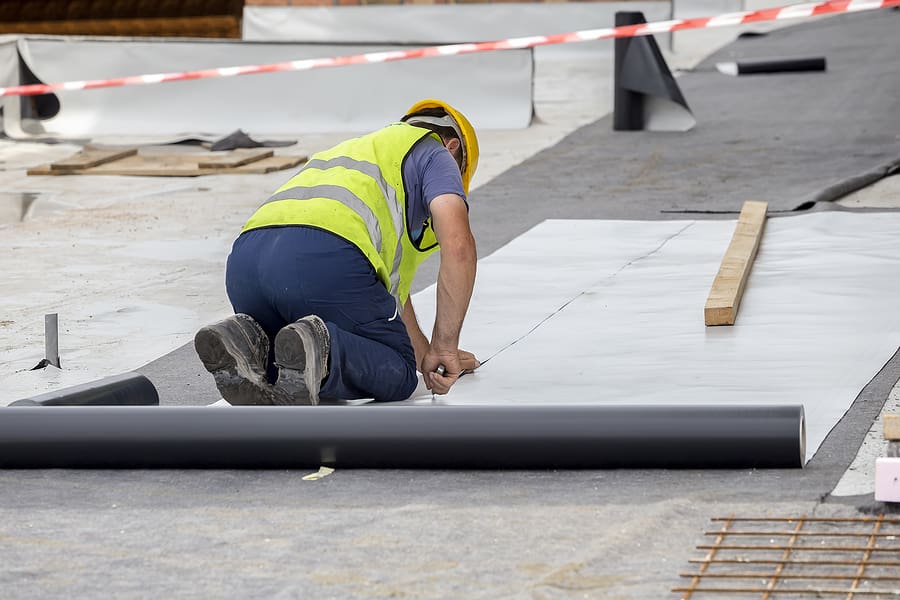
Yes, many TPO roofs can be repaired when damage is localized. Punctures, open seams, flashing failures, and some areas of wet insulation may be repairable. Replacement becomes more likely when deterioration, moisture, drainage problems, or repeated failures affect large portions of the roof. Condition—not age alone—should drive the decision. Discovering a leak in a TPO…
Read MoreWhat Are the Layers on a TPO Roof?
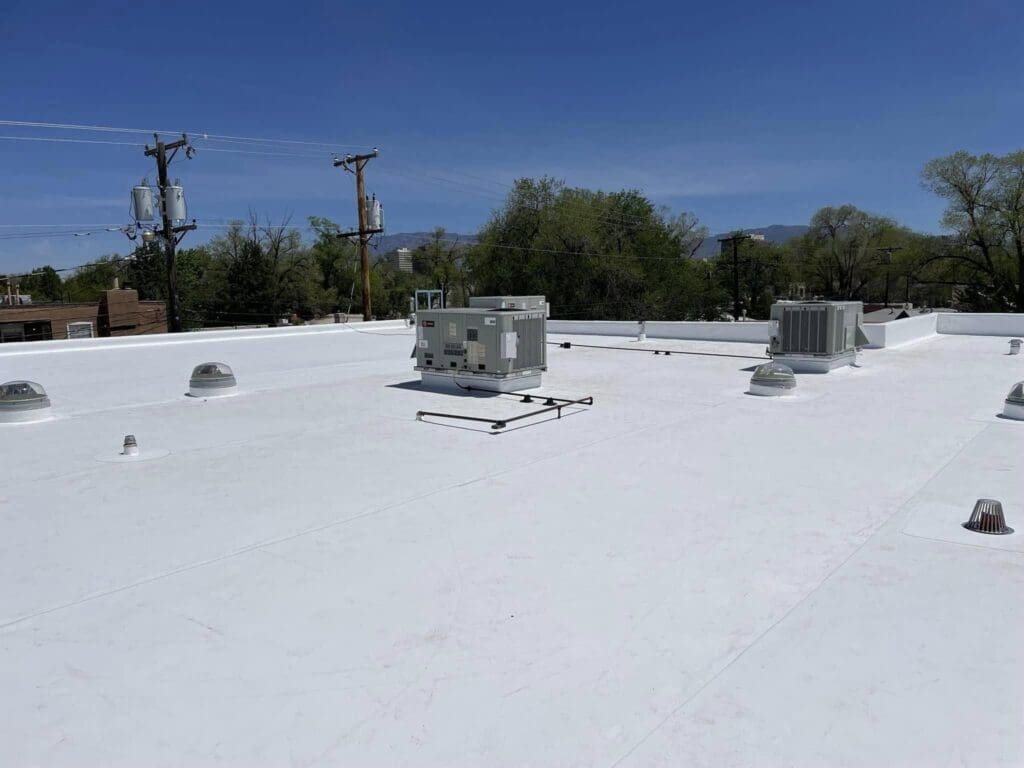
What Are the Layers on a TPO Roof? A TPO roof is made up of more than the white membrane you see from the outside. A typical TPO roofing system may include a structural roof deck, an air or vapor-control layer when required, roof insulation, tapered insulation where needed for drainage, a cover board, an…
Read MoreWhy Does My House Smell Musty When I Turn on My Swamp Cooler?
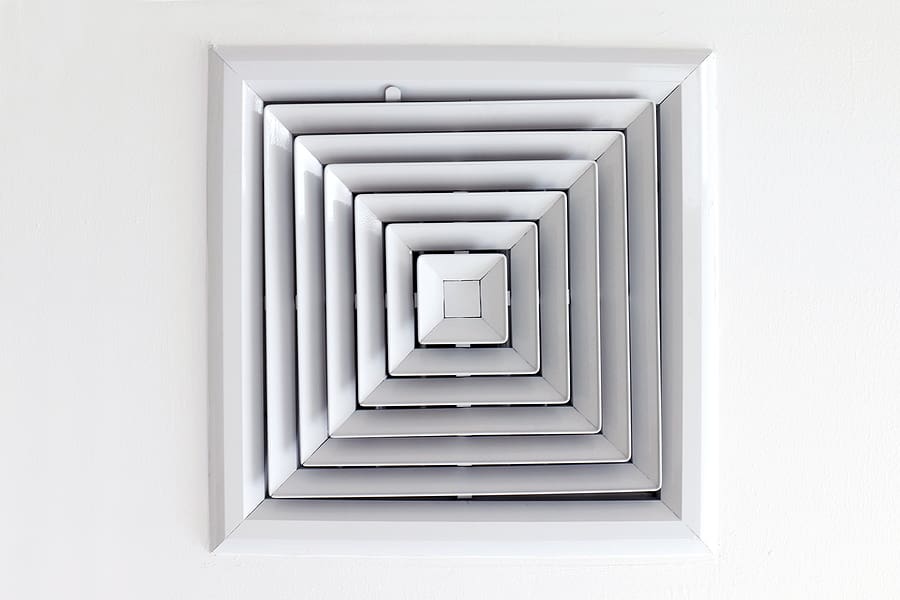
If your home smells musty, moldy, or damp every time you turn on your swamp cooler, it’s easy to assume the cooler itself needs cleaning or maintenance. While dirty cooling pads, stagnant water, or neglected maintenance can certainly create unpleasant odors, they’re not the only possible causes. In many New Mexico homes, the source of…
Read MoreWhat Happens When a Swamp Cooler Constantly Leaks on a Roof?
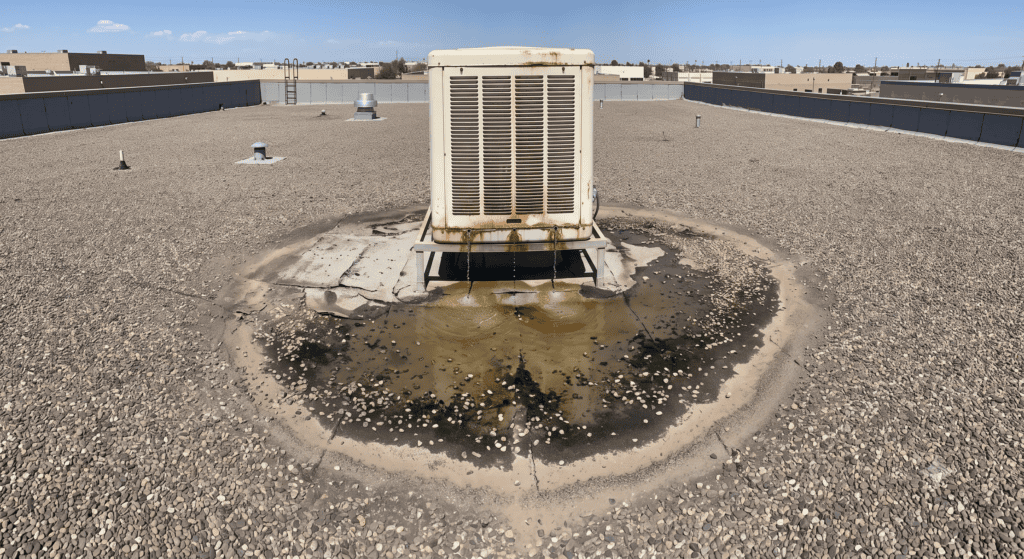
A swamp cooler that leaks constantly can cause much more roof damage than an ordinary rainstorm. Rain normally stops, drains away, and gives the roof time to dry. A leaking evaporative cooler may release water onto the same small area day and night, leaving shingles, membranes, flashings, insulation, and roof decking continuously wet. Over time,…
Read MoreWhat Causes Ponding Water on a Flat Roof in New Mexico?
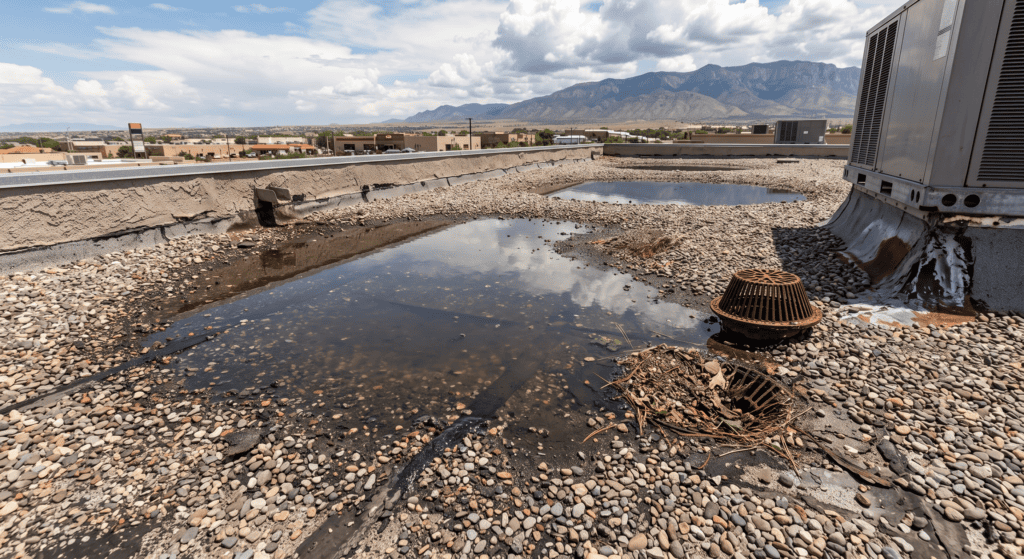
In New Mexico, if you’ve ever looked at your flat roof a day or two after a rainstorm and noticed puddles of water still sitting on the surface, you’re not alone. Ponding water is one of the most common concerns property owners have about flat roofing systems, especially in Albuquerque, Santa Fe, and throughout New…
Read MoreWhy Do Flat Roofs Fail and How Can They Be Repaired?
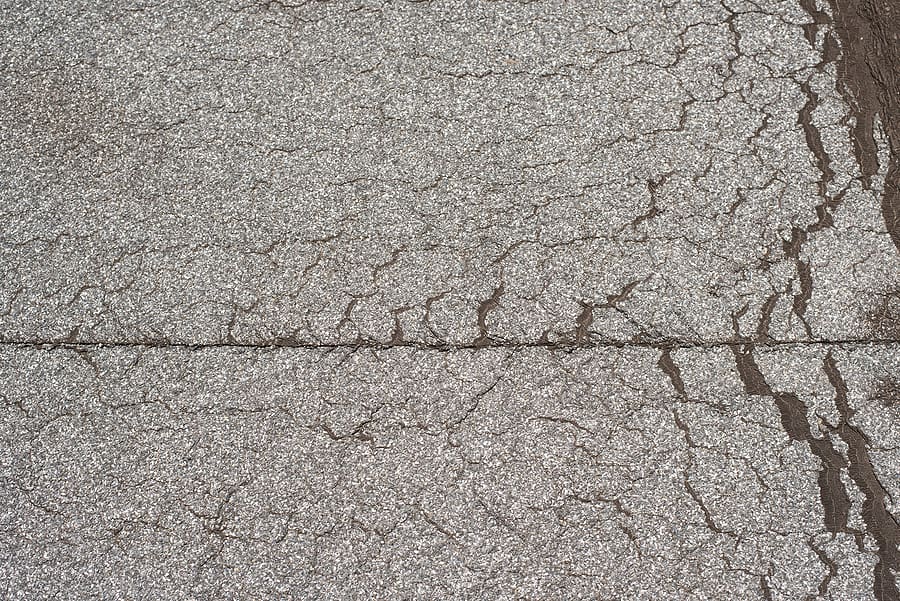
Flat roofs most commonly fail because of poor drainage, ponding water, UV deterioration, thermal movement, failed flashings, membrane punctures, open seams, damaged coatings, wet insulation, storm damage, poor installation, and neglected maintenance. Not every flat-roof problem requires complete replacement. Many failures begin in one localized area and can be repaired when they are identified before…
Read MoreWhat Are the Risks of a Tar and Gravel Flat Roof?
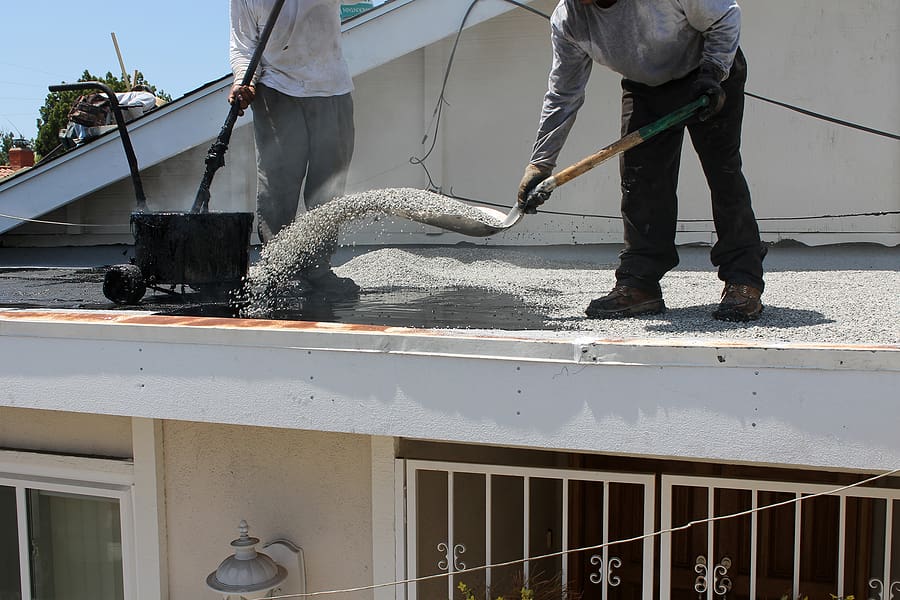
Tar and gravel flat roofs can provide dependable weather protection for many years, but they also have several important disadvantages. Common risks include hidden membrane damage, difficult leak detection, ponding water, considerable roof weight, displaced gravel, deteriorating asphalt, flashing failures, and increasingly expensive repairs as the roof ages. These problems do not mean every tar…
Read MoreWhat Are the Most Common Flat Roof Problems in New Mexico?
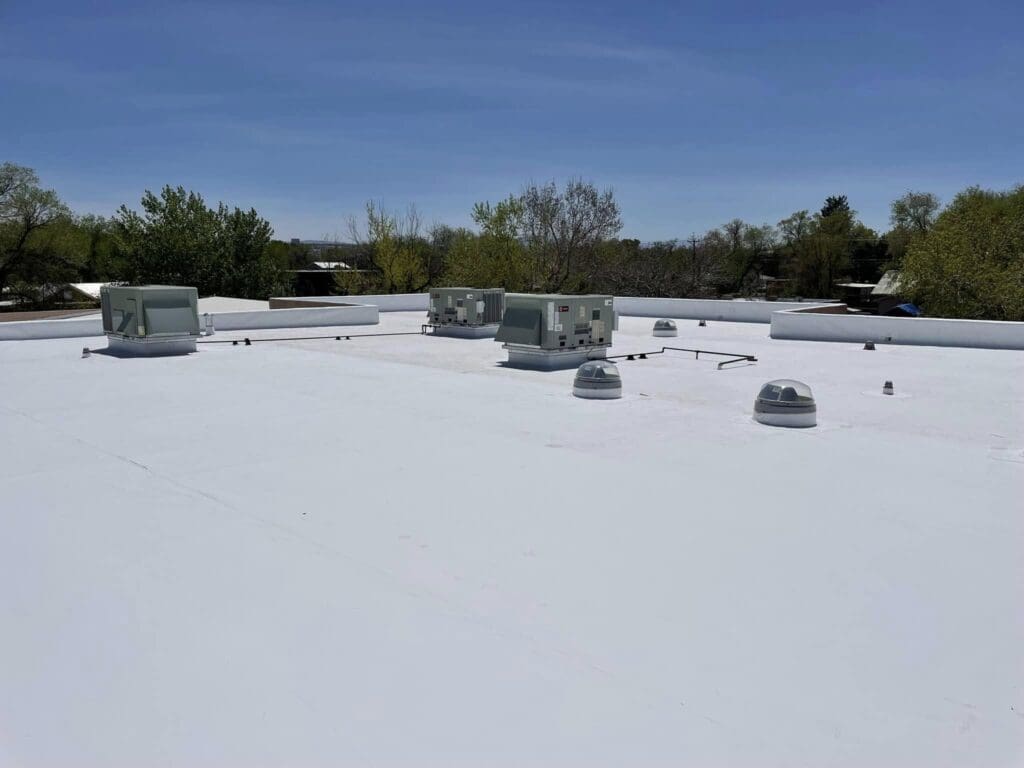
The most common flat roof problems in New Mexico include ponding water, clogged drainage, ultraviolet deterioration, failed flashings, membrane punctures, open seams, cracked coatings, wind and hail damage, wet insulation, and leaks around rooftop equipment and other penetrations. Flat roofs in Albuquerque, Santa Fe, and surrounding communities endure an unusual combination of intense sunlight, high…
Read MoreHow Quickly Can Mold Grow After a Swamp Cooler Leak?
Mold may begin developing relatively quickly when ceiling materials remain damp after a swamp cooler leak, but there is no exact countdown that applies to every building. The safest practical guideline is to dry water-damaged materials as quickly as possible—ideally within 24 to 48 hours. The U.S. Environmental Protection Agency states that, in most cases,…
Read MoreCan a Flat Roof Leak Be Repaired Without Full Replacement?
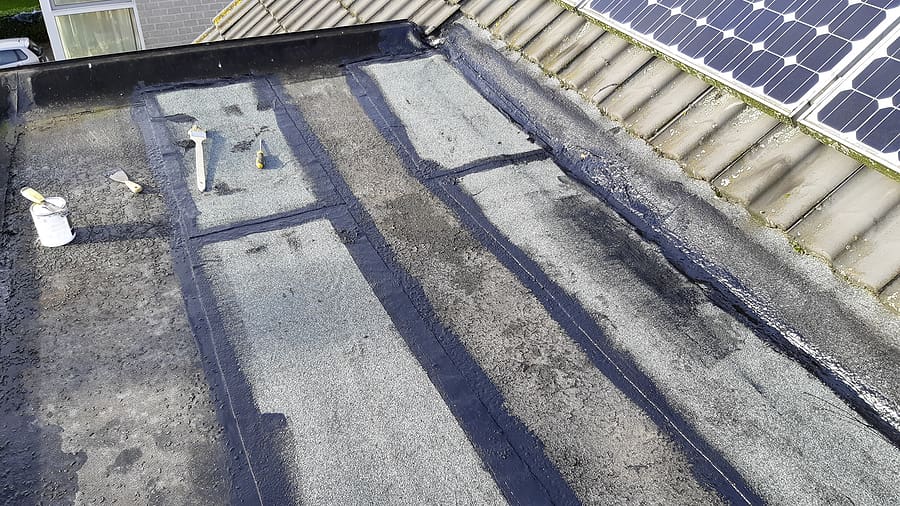
Yes. Many flat roof leaks can be repaired without replacing the entire roof, especially when the damage is limited to one area and the surrounding membrane, insulation, flashings, drainage system, and roof deck remain in serviceable condition. A leak is a symptom. It is not a complete diagnosis of the roof. Water may be entering…
Read MoreWhy Do Flat Roofs Fail and How Can They Be Repaired?
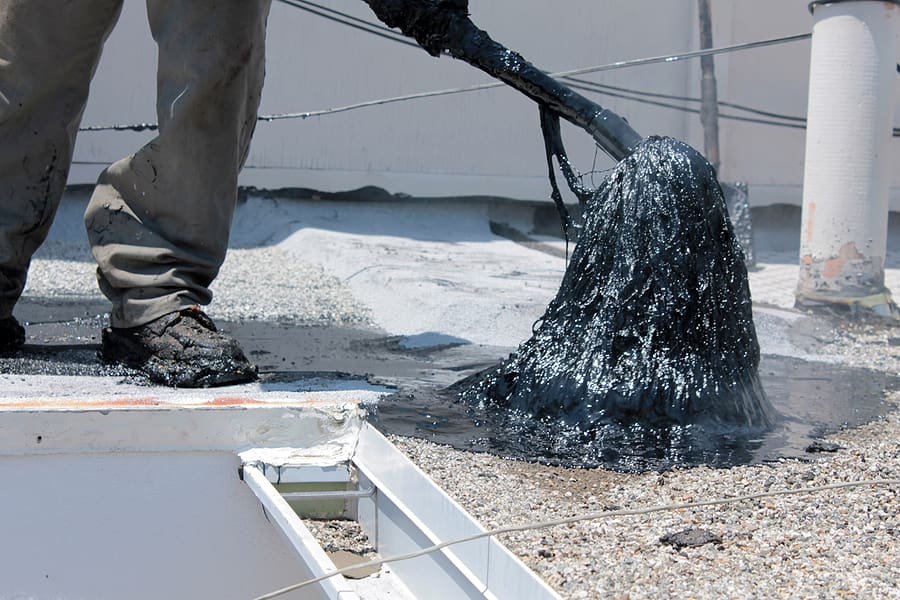
Flat roofs most commonly fail because of poor drainage, ponding water, UV deterioration, thermal movement, failed flashings, membrane punctures, open seams, damaged coatings, wet insulation, storm damage, poor installation, and neglected maintenance. Not every flat-roof problem requires complete replacement. Many failures begin in one localized area and can be repaired when they are identified before…
Read MoreCan You Paint Over a Ceiling Water Stain or Do I Need to Replace the Drywall?
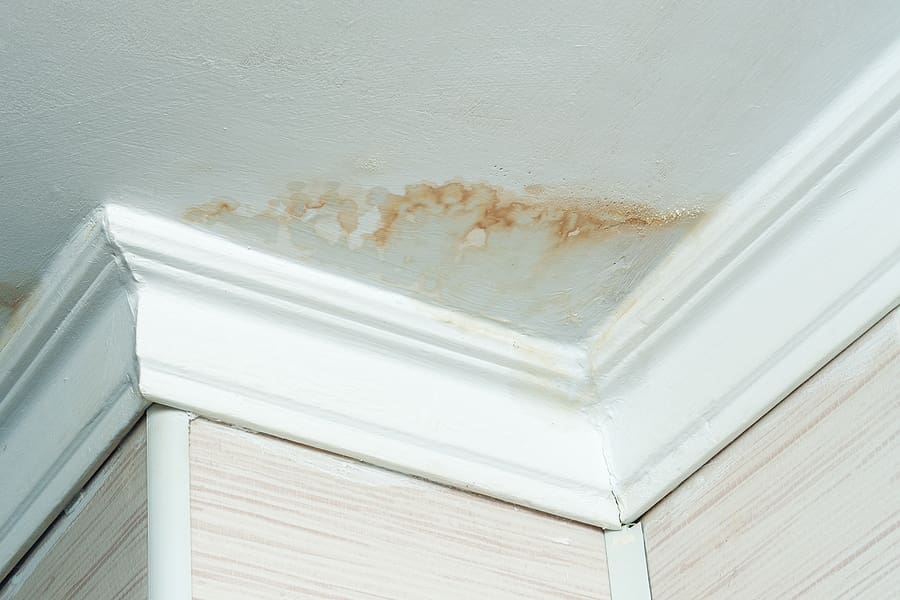
A brown or yellow ceiling water stain can make an otherwise clean room look neglected. It is understandable that many homeowners want to grab a can of stain-blocking primer, cover the discoloration, and move on. Sometimes that is an acceptable final repair. But painting should never be the first step. You may be able to…
Read MoreFixing Flat Roof Ponding Issues on Albuquerque Commercial Roofs
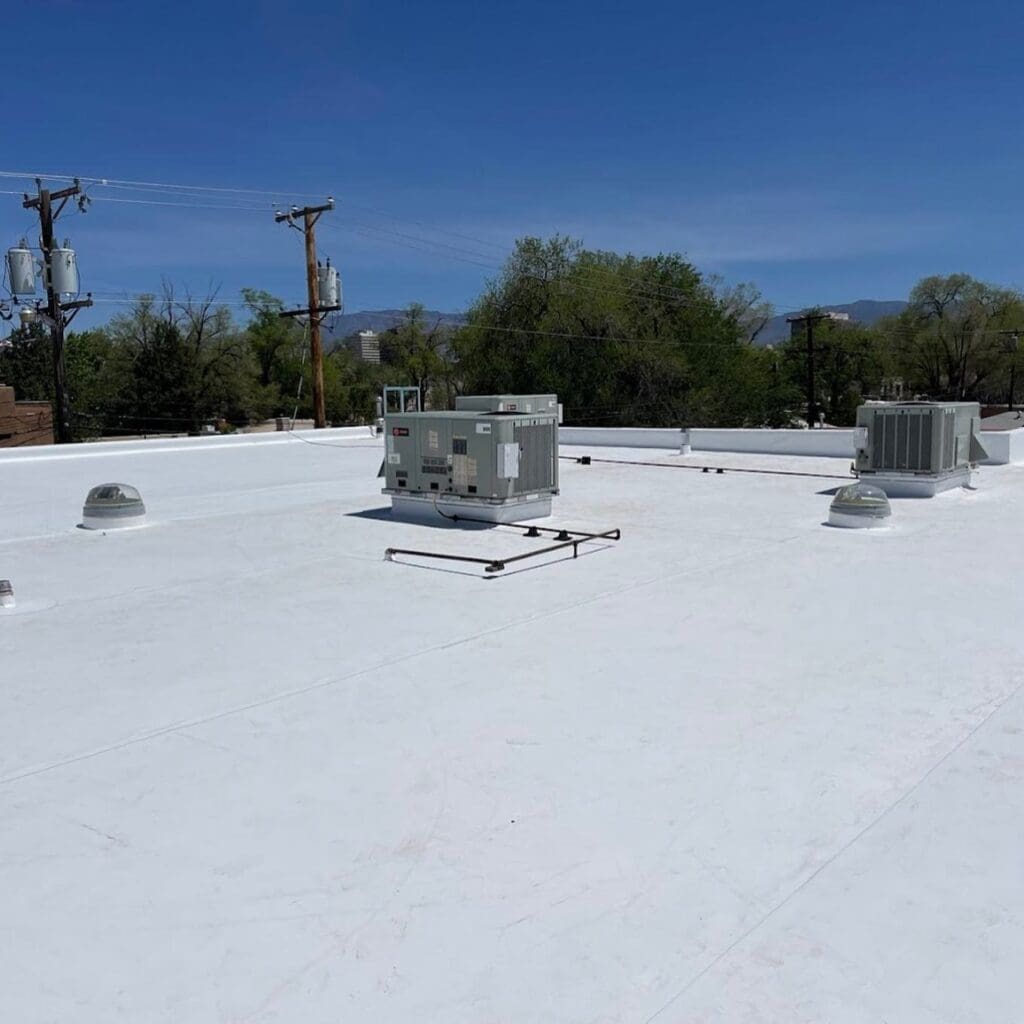
If you’ve owned or managed a commercial building here in the Albuquerque area for any length of time, you already know our weather isn’t gentle. Out-of-state contractors look at our high-desert climate and think, “It barely rains out there, how tough can flat commercial roofing be?” Any local asset manager who has been on top…
Read MoreAlbuquerque TPO & PVC Roofs: Stop Thermal Shock Leaks
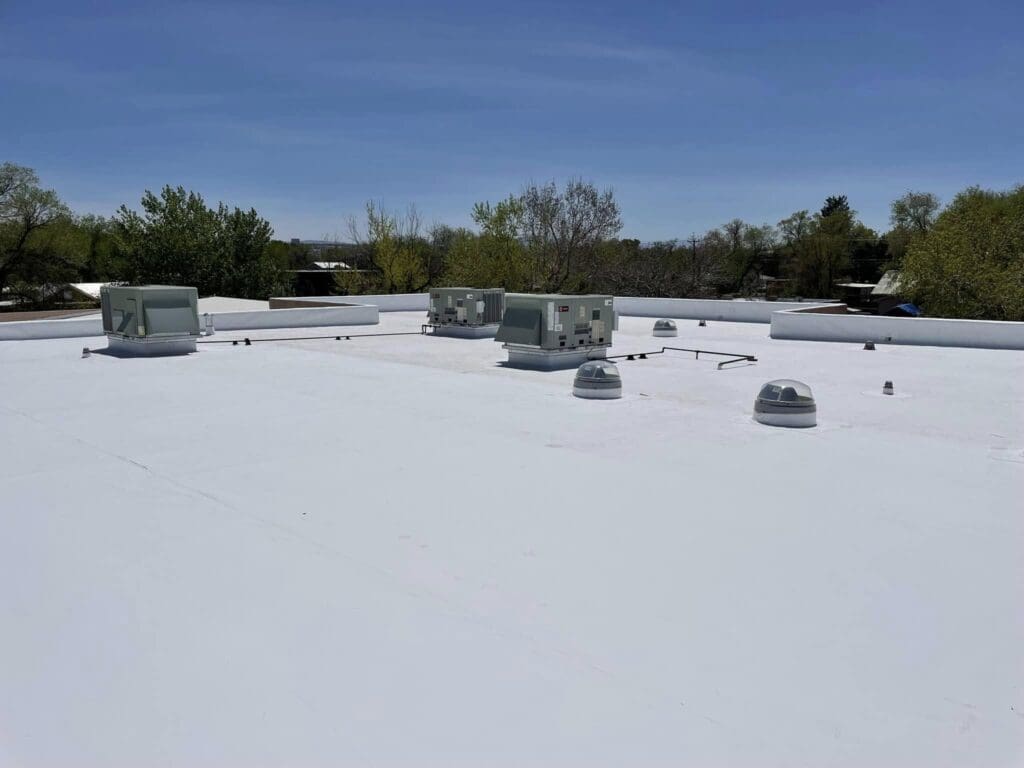
If you manage a commercial facility or an industrial warehouse in the high desert of New Mexico, your property is under constant, silent mechanical strain. Out-of-state property owners frequently view the desert as a stable, predictable climate. But local asset managers know that our atmosphere doesn’t offer a gentle environment for a building envelope. The…
Read MoreHow Tapered ISO Insulation Fixes NM Commercial Flat Roof Ponding
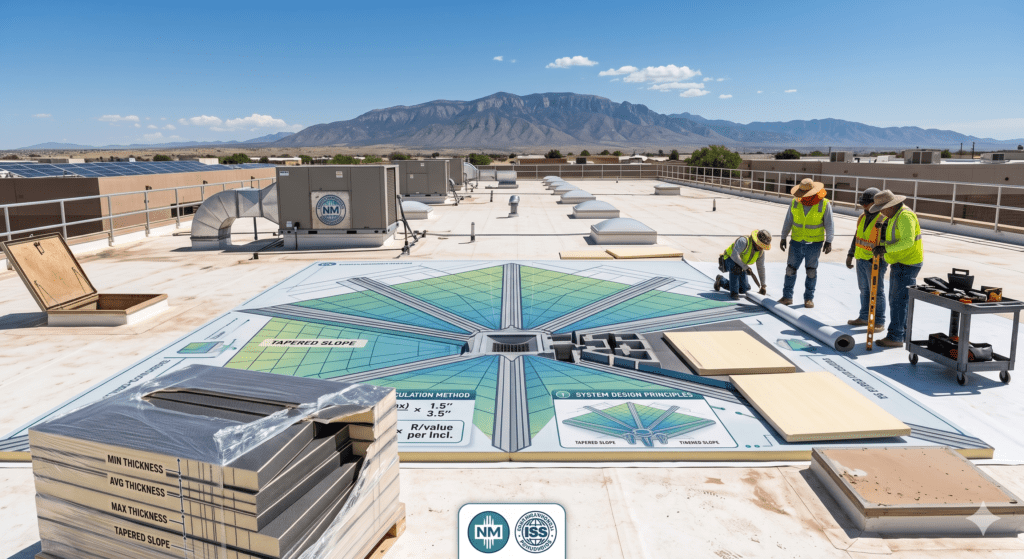
For commercial building owners, facility managers, and civil engineers in the high desert, flat roof design isn’t a matter of aesthetics—it is a matter of water physics. In areas like the West I-40 Corridor or the North I-25 Industrial Park, commercial flat roofs feature expansive footprints that are highly susceptible to structural deflection if rainwater…
Read MoreSanta Fe Historic District Commercial Roofing Codes & Restrictions
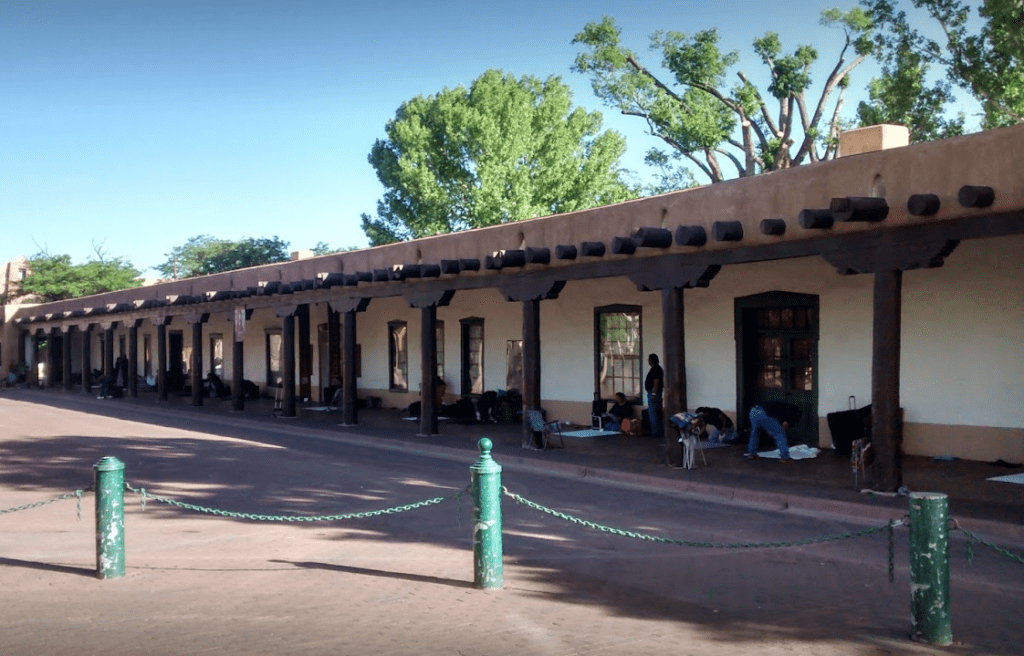
If you own or manage a commercial property, a retail boutique, or a historical building near the Plaza or within Santa Fe’s protected historic districts, building maintenance is never a simple “call and install” procedure. While commercial entities in Albuquerque’s industrial parks can freely roll out bright white single-ply membranes without a second thought, the…
Read MoreHow Do I Spot a Roof Leak vs. Swamp Cooler Leak in ABQ?
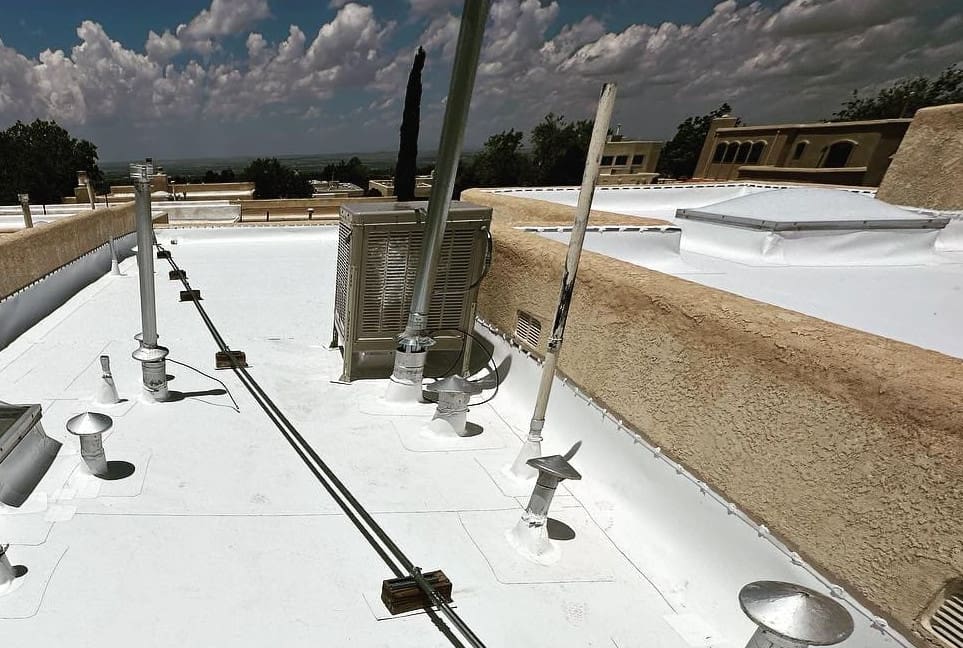
Finding a mysterious water stain on your ceiling can send a wave of panic through any Albuquerque homeowner. Your mind immediately goes to the worst-case scenario: Do I need a brand-new roof? But in New Mexico, a ceiling drip doesn’t always mean your shingles or flat roof membrane have failed. Because evaporative cooling is so…
Read MoreHow Do I Prevent Albuquerque Roof Parapet & Scupper Failure?
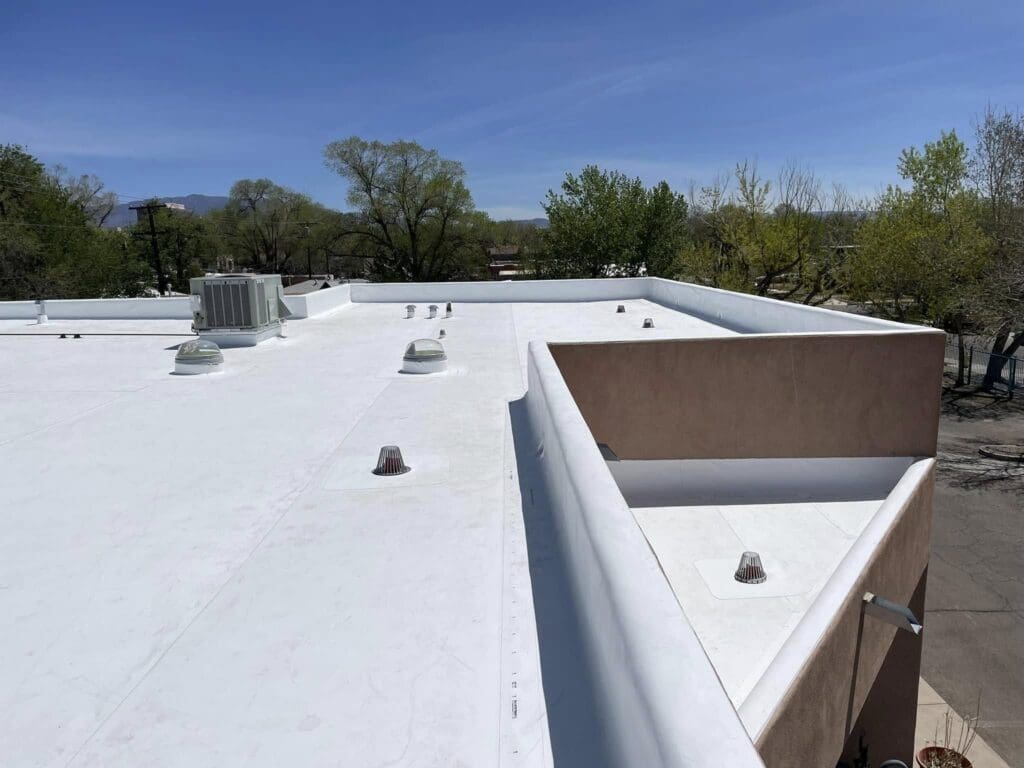
If you manage a commercial property or warehouse in Albuquerque, or Bernalillo County, you know that our regional climate puts a brutal amount of stress on a building envelope. Out-of-state property owners often assume that our dry, high-desert air means roofing systems last forever. But local asset managers across the Duke City know the truth:…
Read MoreFull TPO Replacement vs. Silicone Coating for NM Warehouse Roofs
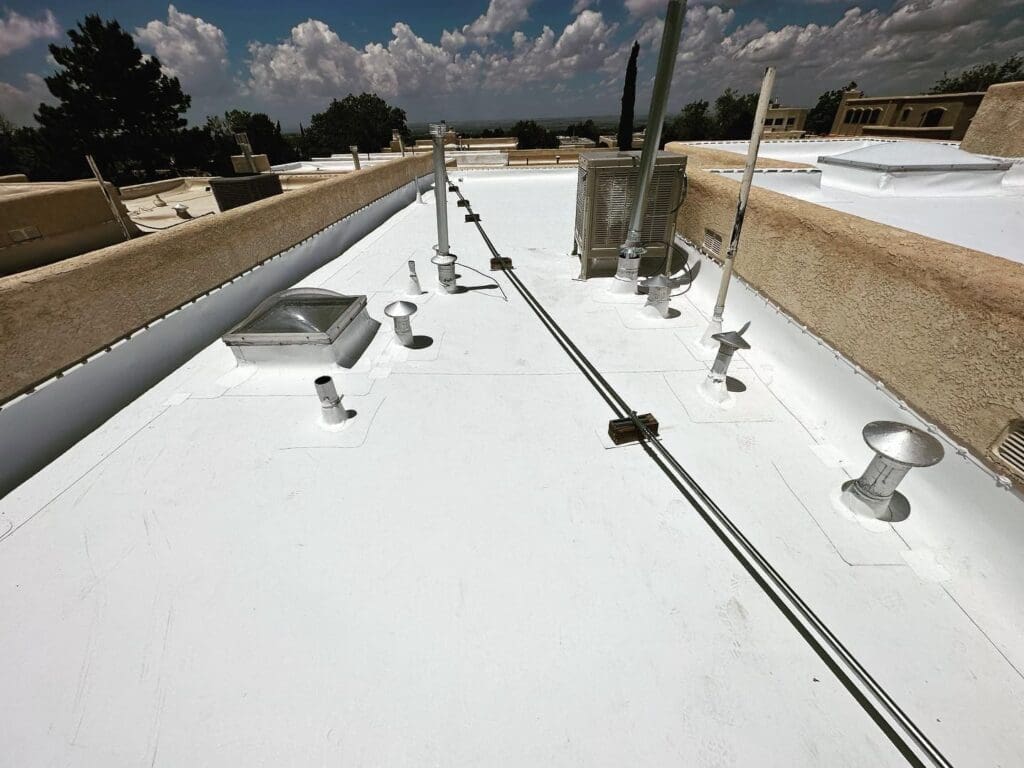
If you manage a large-scale distribution facility or manufacturing plant in the West I-40 Corridor, the North I-25 Industrial Park, or down by the Airport Corridor, you are sitting on top of an enormous financial liability: your flat roof footprint. When that expansive membrane begins to show its age, you will inevitably be pitched two…
Read MoreAlbuquerque Parapet Wall Roof Leaks: How to Fix Flashing
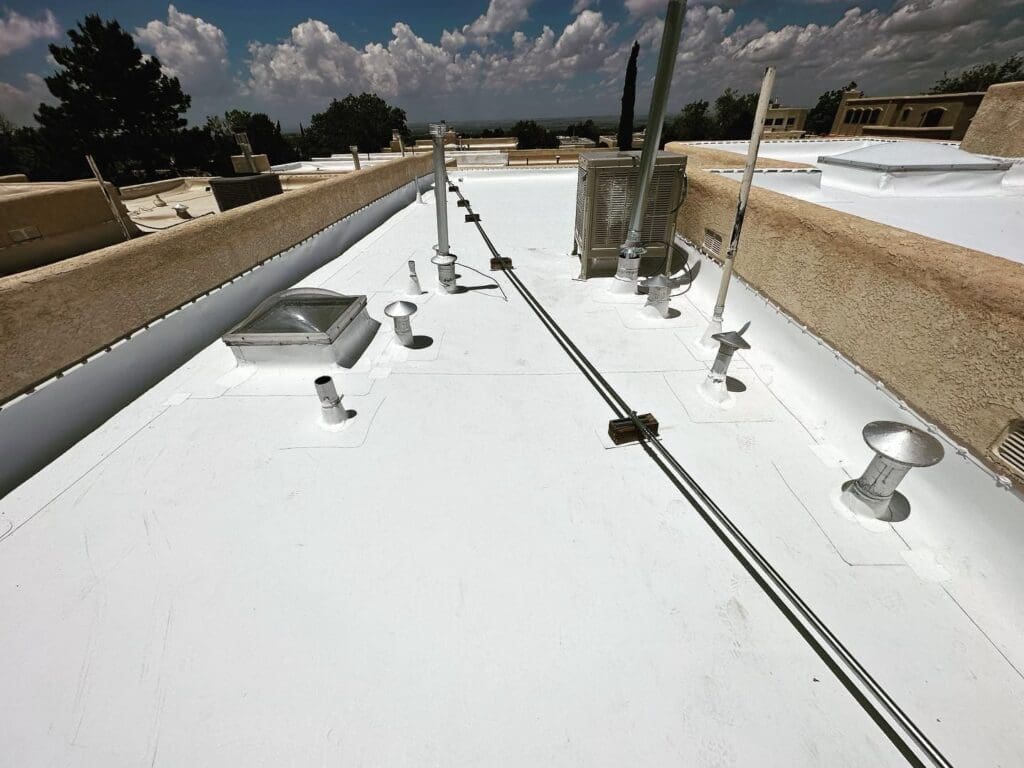
If you manage a commercial facility or an industrial warehouse in the Albuquerque metro area or across the high desert of New Mexico, you are likely familiar with the constant battle against the elements. When a facility experiences a major interior leak, the building manager usually blames the primary roof membrane. They look for punctures…
Read MoreHow White TPO Roofing Slashes NM Commercial Cooling Costs
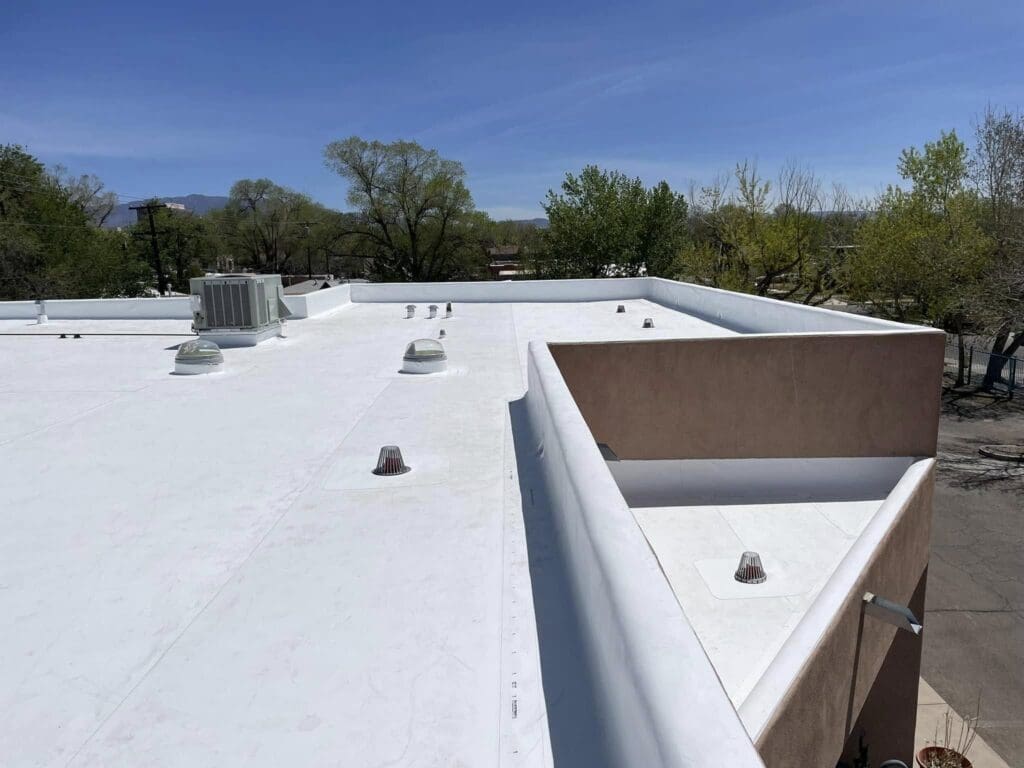
If you manage a commercial facility or industrial warehouse in the Albuquerque or Santa Fe area, your building is constantly fighting an uphill battle against the elements. Out-of-state property managers often underestimate the sheer operational strain of running a facility in the high desert. They look at our peak summer temperatures and assume our cooling…
Read MoreAlbuquerque Commercial Roof Inspection Monsoon Guide
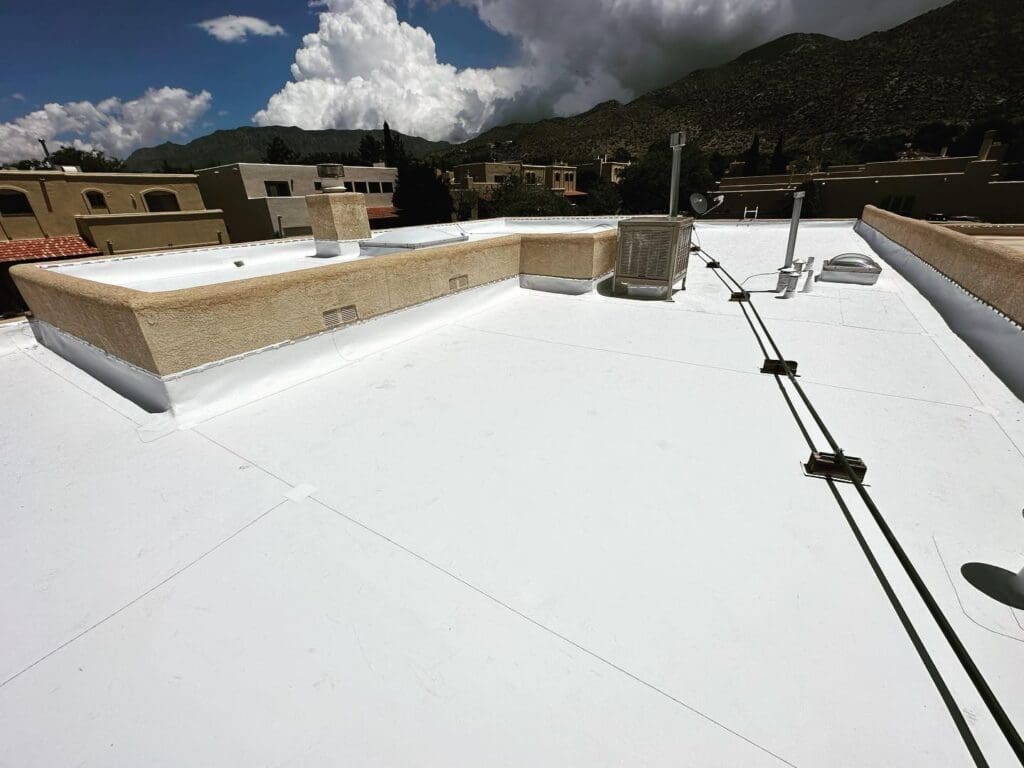
If you manage a commercial facility or a large warehouse footprint in the Albuquerque metro area, or Santa Fe, your property manager calendar just hit the absolute deadline for commercial roof asset protection from the monsoon rains. The time to act is now before the monsoons hit and put your client’s properties at risk. In…
Read MoreWhat are the Most Common Flat Roof Problems in New Mexico?
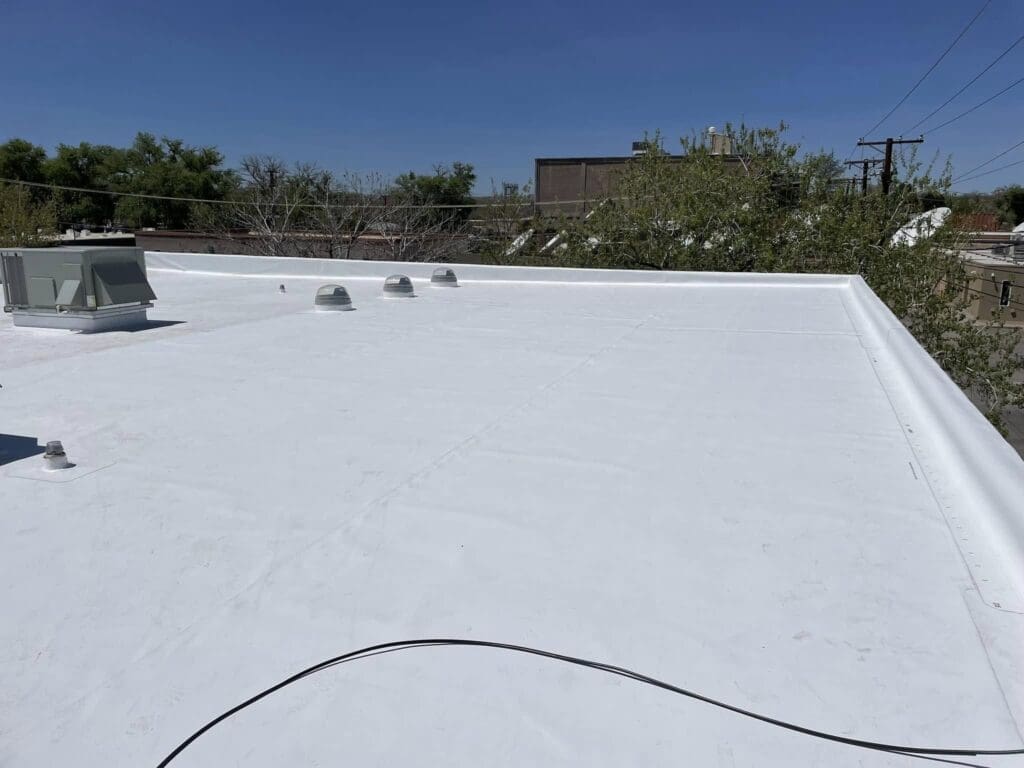
Though a flat roof on a New Mexico home or commercial building has many benefits, such as cost-effectiveness, ease of access, relatively simple installation, and potential energy efficiency, it is not without problems. The same characteristics that make a flat roof work can quickly become weaknesses if proper care is not provided. Below are the…
Read MoreWhy are Roof Drains Called Canales in New Mexico?
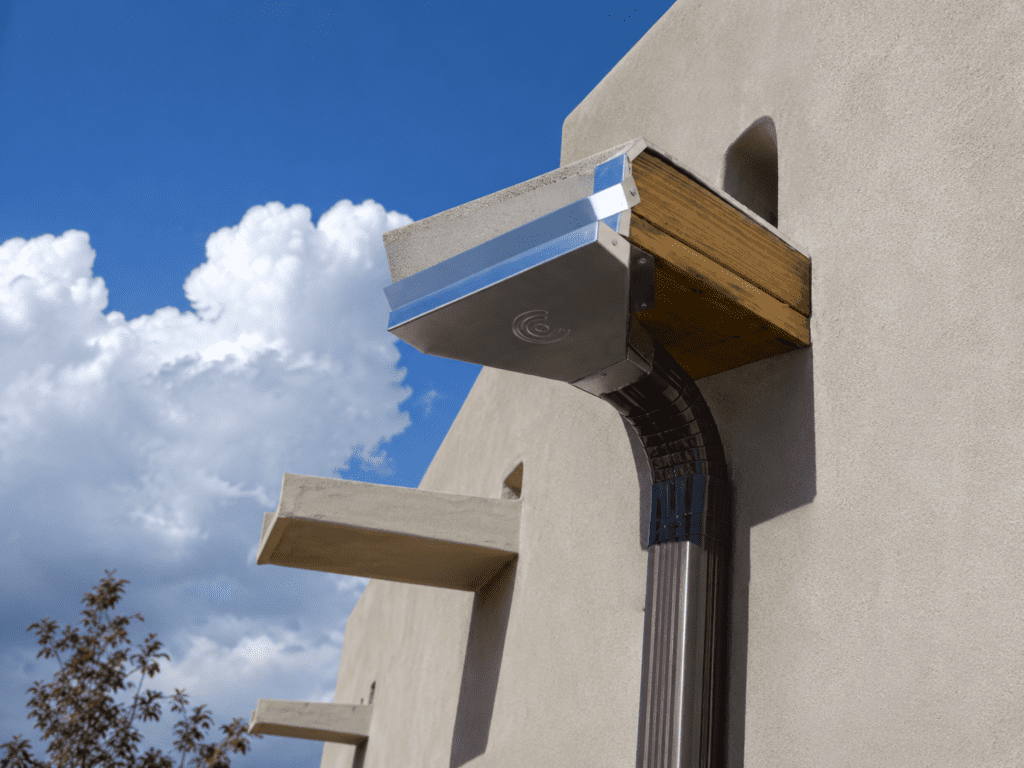
After a summer rain in New Mexico, you usually hear the sound of water pouring from the little channels or spouts, called canales in the Land of Enchantment, all along the pueblo-style roofs that serve to functionally drain the water off the roof. Canales are one of the most functional yet beautiful architectural details in…
Read MoreHow Often Should You Inspect and Maintain a Flat Roof?
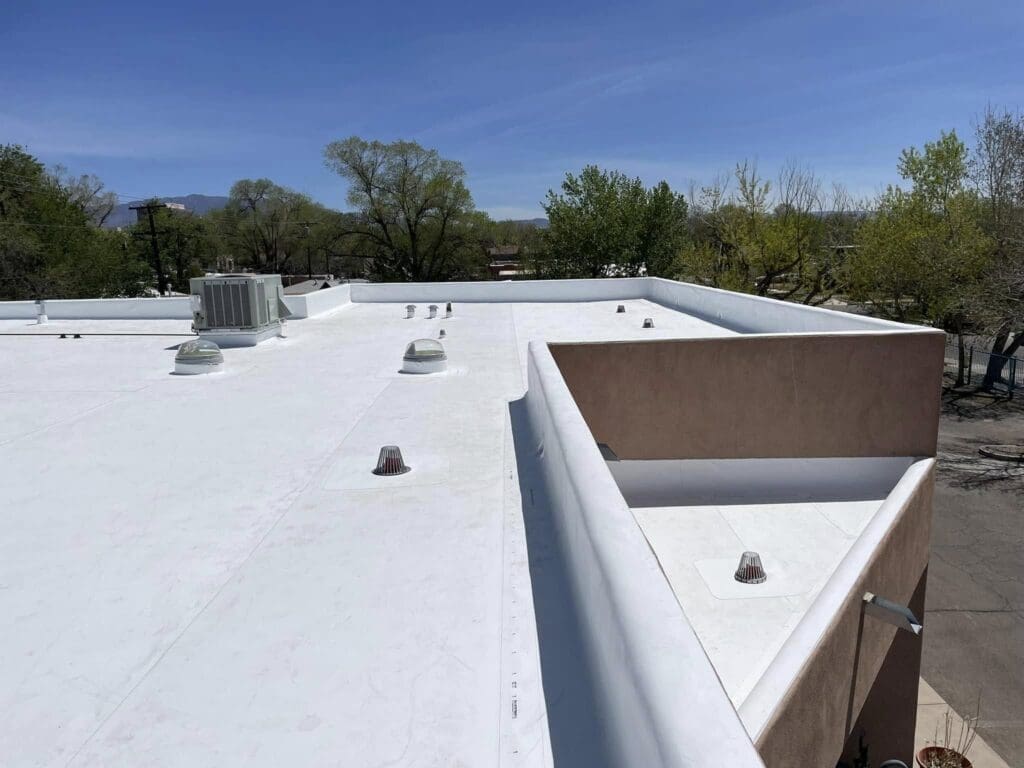
If you own or manage a commercial building, you have probably heard that flat roofs don’t hold up as long as they should. This is frustrating because, after all, a commercial roof is a huge investment, and you count on it staying intact and leak-free for several years. Sadly, many flat roofs fail sooner than…
Read MoreWhat Causes Ponding or Puddles of Water on a Flat Roof?
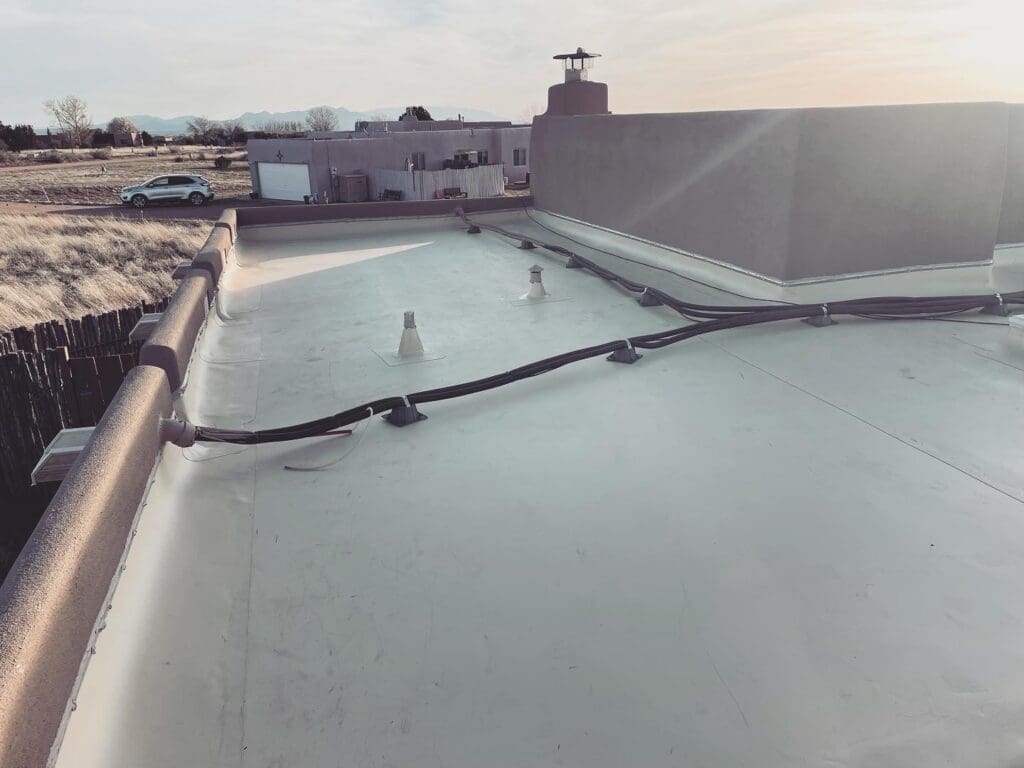
If you’ve noticed ponding or puddles of water forming on your flat roof after a rainstorm, you’re probably wondering, “Do I have a problem with the ponding or puddles of water on my flat roof?” The short answer is yes—especially if your puddles of water stay for long periods of time. At Rocky Mountain Roofing…
Read MoreWhat are the Pitfalls of a Tar and Gravel Flat Roof?
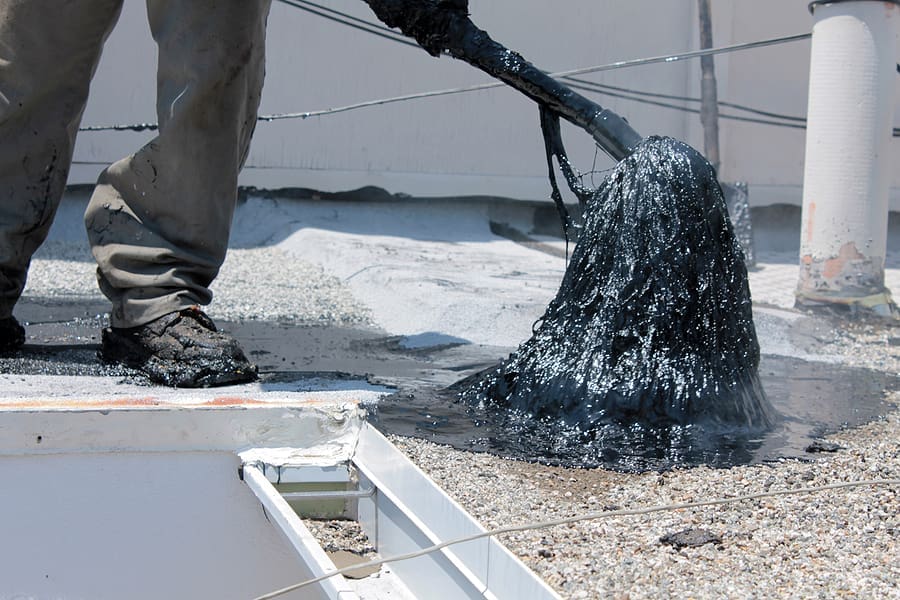
Tar & Gravel roofs are heavy and may have a shorter lifespan than other roofing materials currently available on the market. They perform poorly in extreme weather! Tar and Gravel roofing systems, also called built-up roofing, have several drawbacks compared to other flat roofing systems available today, like TPO roofing systems and PVC roofing Systems.…
Read MoreWhat are the Main Reasons New Mexico Flat Roofs Fail and How Do Your Repair Them?
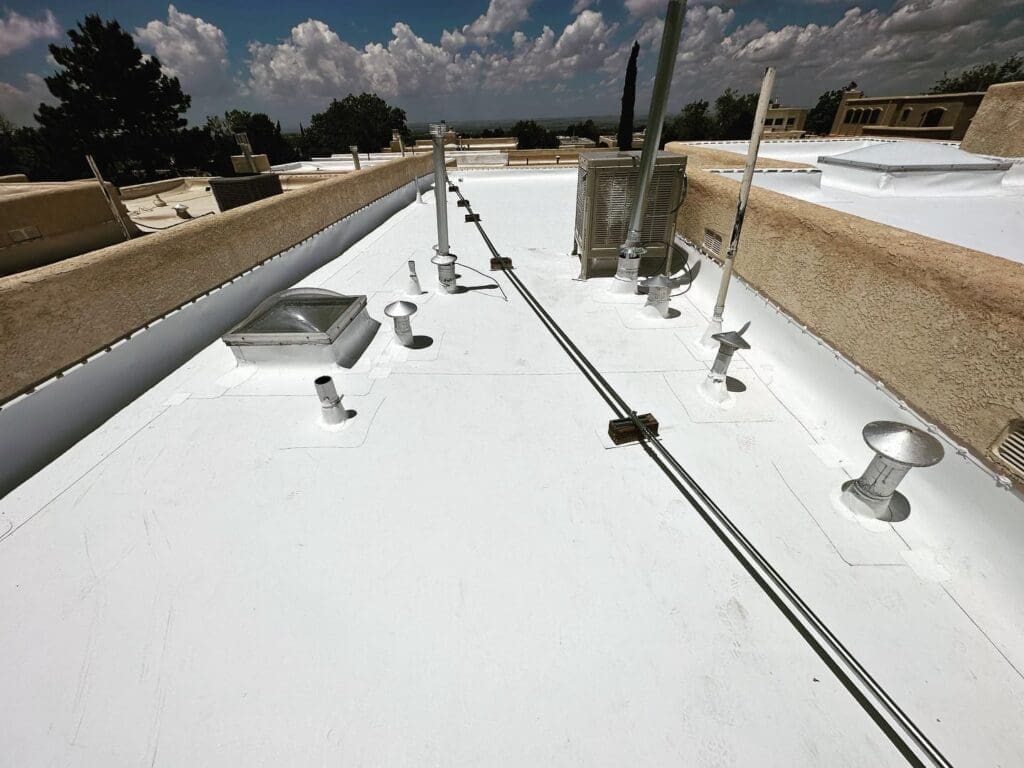
Flat roofs in New Mexico are a common architectural feature and have a long history in the state. They are popular due to their practicality, cost-effectiveness, and compatibility with the design heritage of the Southwest. However, the unique combination of environmental conditions that exist in New Mexico can cause flat roofs to fail before homeowners…
Read MoreDoes Hail Damage Affect Flat Roofs in Albuquerque?
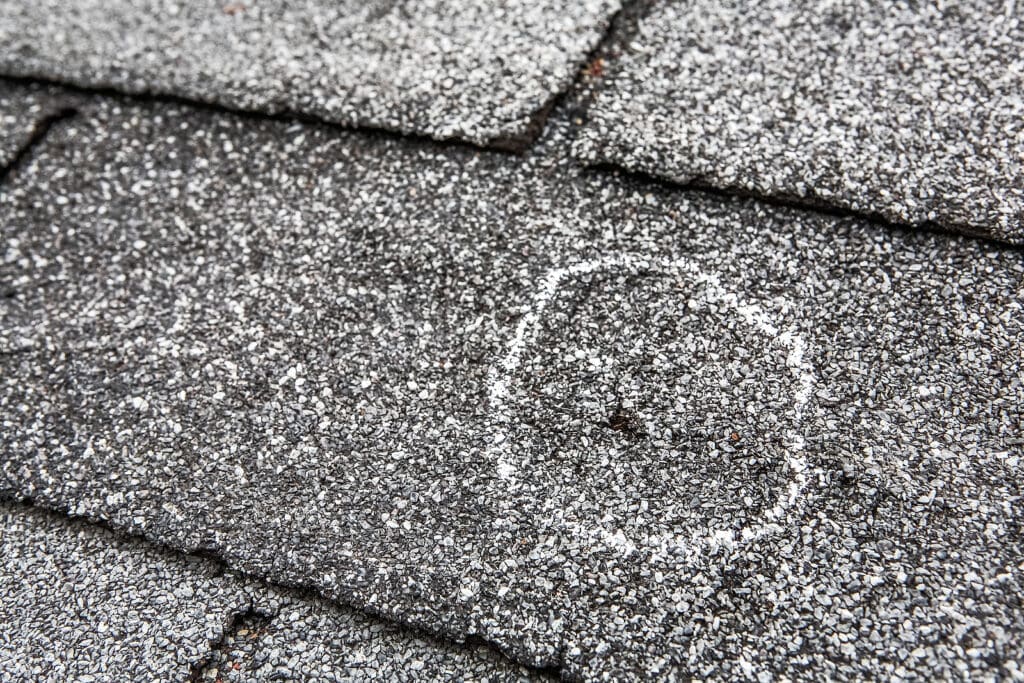
If you have been hit by hail in Albuquerque, you might be SHOCKED by how much damage has occurred to your roof, not merely how many minor indentations there are or the odd temporary markers. These minor indentations and temporary markers contribute to making your entire roof “protected,” which protects your house from leaking through…
Read MoreCan You Restore Your Aging TPO Roofing System with a Silicone Roof Coating?
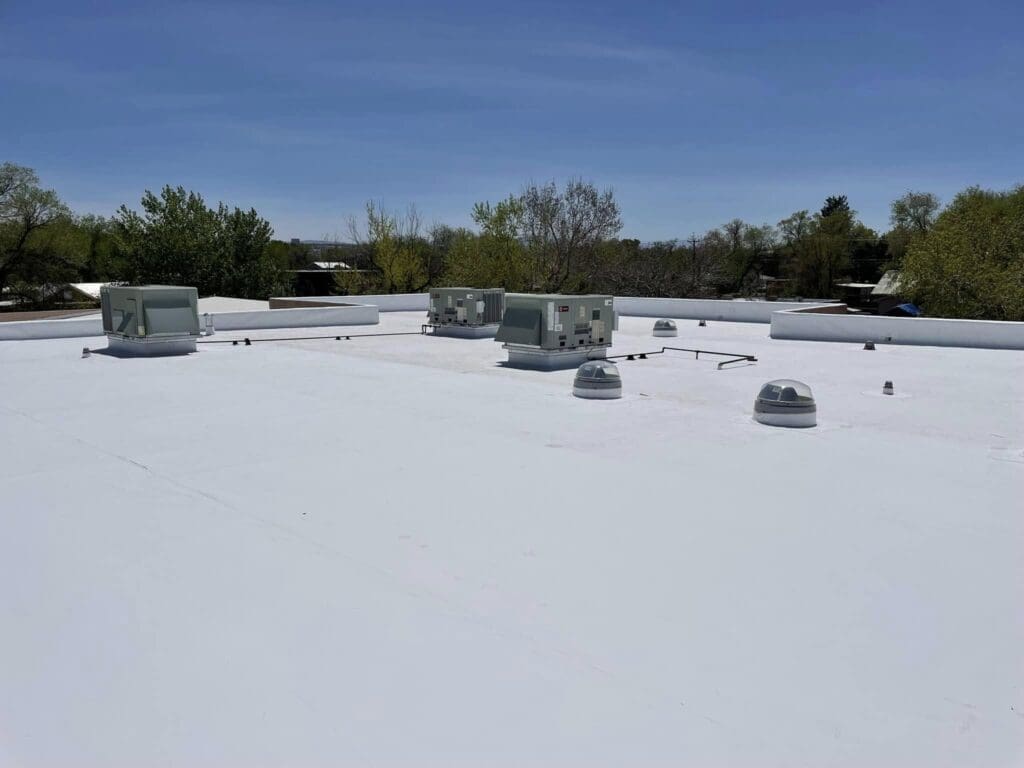
If you have an aging TPO roof, but it is still structurally sound, you may be able to avoid a full replacement. A silicone roof coating provides an affordable, dependable solution to restore your TPO roof‘s performance and extend its life and energy efficiency without the disruption of a full roof replacement. Considerations for Coating…
Read MoreCommon New Mexico Flat Roof Problems and How to Address Them
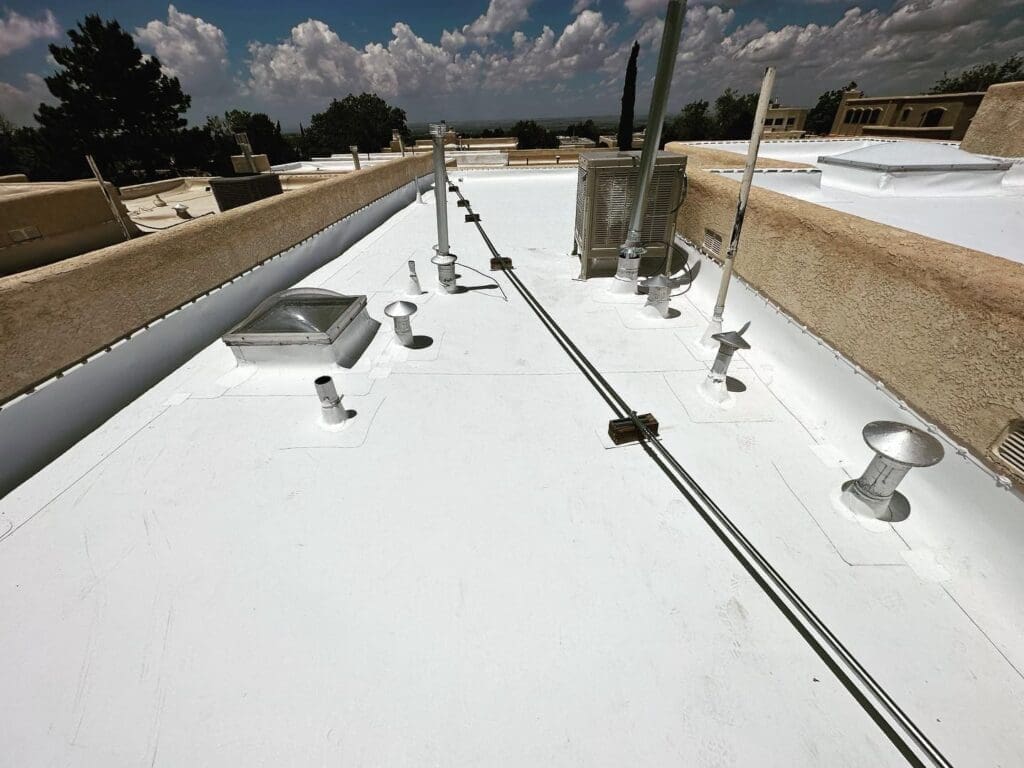
If you own a flat-roofed home in Santa Fe or one of the many towns throughout Northern New Mexico, there are some issues that flat roofs consistently have, especially when the harsh sun of New Mexico hits hard. Roof leaks are one of the worst types of problems you may deal with as a building…
Read MoreCan I Repair My Flat Roof Without Replacing the Whole Roof?
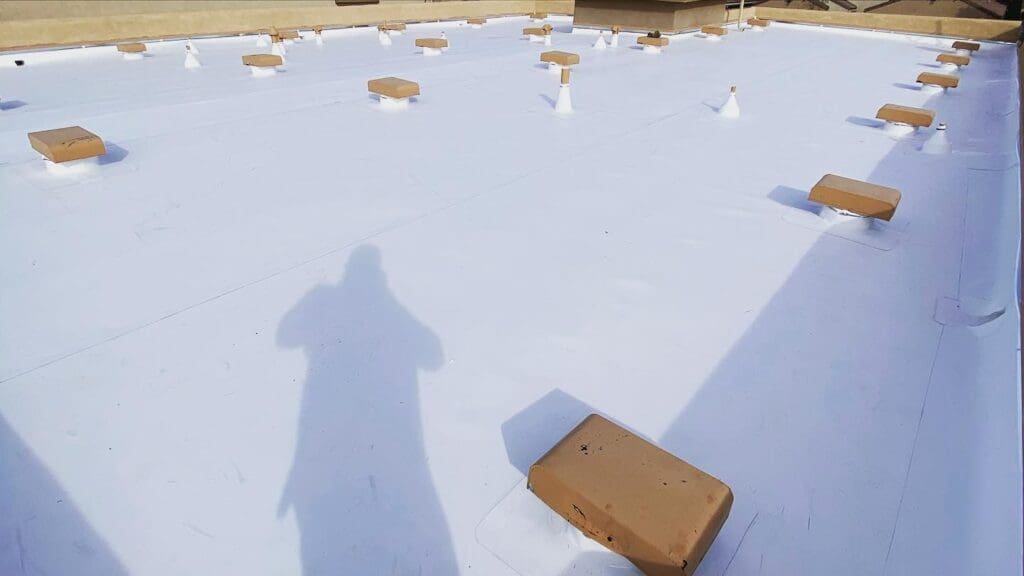
Flat roofs are typically an excellent choice for both residential and commercial buildings, thanks to their affordability and durability when properly maintained. Yet flat roofs can still have major issues that can be managed in advance. Managing issues in advance means regular scheduled roof maintainance and getting your roof repairs scheduled and completed as soon…
Read MoreCan Wind Damage a Roof Without Blowing Off Material?
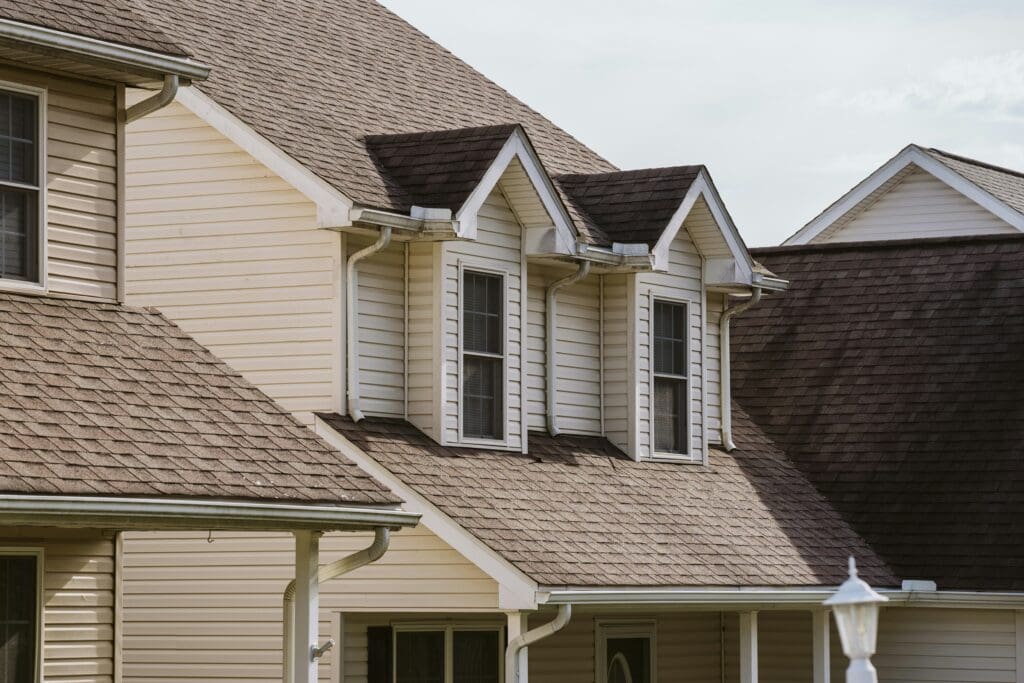
Yes. Wind can damage a roof without blowing off shingles, metal panels, flashing, or other roofing materials. Strong winds can weaken attachment points, loosen seams, lift roof edges, and damage seals while leaving the roofing material in place. For homeowners in Albuquerque and Santa Fe, this means a roof can appear undamaged from the ground…
Read More