
Why are Roof Drains Called Canales in New Mexico?
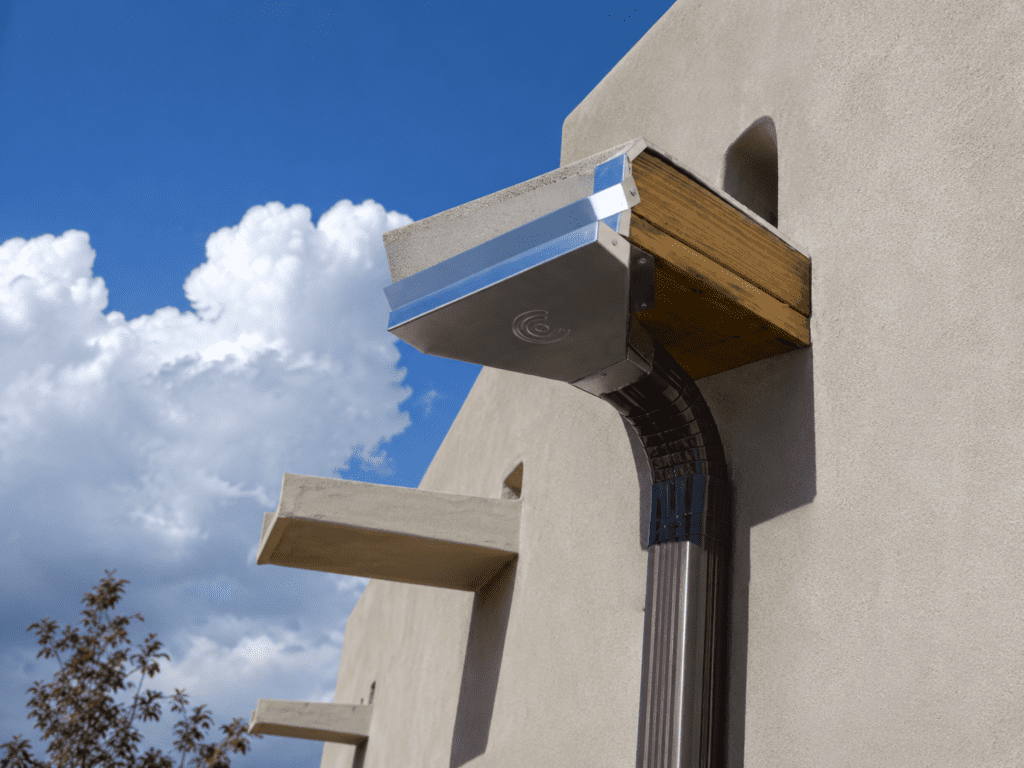
After a summer rain in New Mexico, you usually hear the sound of water pouring from the little channels or spouts, called canales in the Land of Enchantment, all along the pueblo-style roofs that serve to functionally drain the water off the roof. Canales are one of the most functional yet beautiful architectural details in New Mexico, having been used for a very long time in Southwest architecture.
What is canales roof drainage like in a pueblo-style building system, and how did it get started? If so, why are they still being made and used in New Mexico roofs today?
Let’s take a close look at these unusual construction elements through their history.
The Early History of Canales
Canales (kuh-NAH-lay) have an aesthetic charm, and they are used as a wonderful decoration over time. The design for the canales developed from the ancient universe of the Pueblo and Spanish Colonial cohabitation building style.
Flat, earthen roofs formed the water-tight ceilings for early adobe construction; however, there was no way to drain rainwater off these flat roofs until the introduction of canales.
Homebuilders created angled holes or wooden spouts that directed rainwater and melted snow from the flat roofs to keep the thick adobe walls from eroding and the water from accumulating and causing damage to the structure. The directional flow of the water was created by digging a trench from the roof to the ground and had the added benefit of helping to keep the home dry.
Pueblo Revival Style of Architecture
The Pueblo Revival style, or Santa Fe style, is a regional architectural style developed in the early 20th century based on the architecture of Santa Fe de Nuevo México. The Pueblo and Spanish colonial styles, as they are used in the Southwestern United States, are very similar to the Pueblo and Spanish Colonial architectural styles.
The style was very popular from about 1920 to 1940 but is still often used for new construction. The most common architectural style you will see in New Mexico is Pueblo, often blended with the Territorial Revival architectural style. The Pueblo Revival home features a flat roof, and since flat roofs need a roof drain, they use canales.
Canales have remained in use for centuries as roofing materials have improved both from a cultural heritage and the need for roof drains. Today, you can see both the traditional wooden carved channels, and the more modern styles made of copper or galvanized steel, continuing to follow their architectural tradition.
The Importance of Canales Today
Climate is a big concern.
With the climate of New Mexico often displaying extreme summer rain and long periods of drought, it is vital that the roofs on adobe and Pueblo style homes are able to handle the torrential nature of the monsoon rains without failing. The flat roofs and low pitch roofs typical of adobe and Pueblo home designs create a challenge, with the potential for water to remain stagnant on the roof.
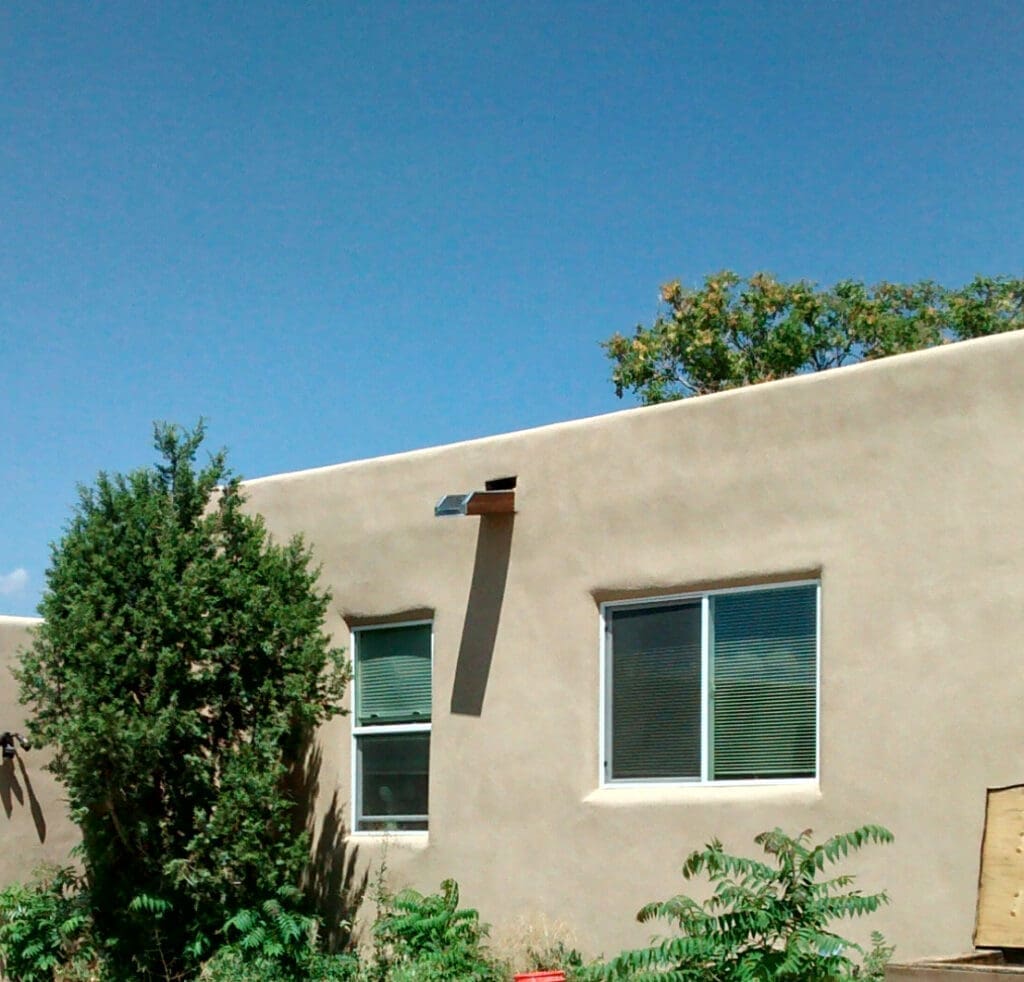
Canales are still one of the most satisfactory and easiest methods for:
- Draining water off flat roofs
- Preventing leaks due to pooling or unwanted moisture
- Keeping the stucco or adobe exteriors from being stained or eroded
- Maintaining the structural integrity of the buildings through the freeze-thaw climatic challenge of winter.
Canales not only create a beautiful architectural detail to the exterior portion of a structure, but they also provide the means to protect the structures for a long period of time.
Modern Designs, Timeless Look
Even though the purpose of canales has not changed; the materials used have varied. Today, you will frequently see copper and stainless steel canales, both of which have a long lifespan and are resistant to wear.
The design of canales has changed dramatically, as well; some are square, some are rounded, and some have decorative features that reference the artisan crafts and practices of the area.
Generally, canales are built near the roof edge or parapet wall, typically over a walkway or patio area. When they are properly designed, the water is properly controlled and directed to a splash rock or stone, a gravel bed, or a landscape runoff area; all of which constitute a well-planned and aesthetically pleasing architectural feature, with form and function beautifully illustrated.
Advice For New Mexico Homebuyers
If you are considering building an pueblo-style home, or if you are shopping for a new home in Santa Fe or one of the surrounding areas, be sure to keep in mind that canales are more than just a beautiful touch; they provide an essential function in controlling the water.
Homebuyers should keep the following things in mind when purchasing a home with canales.
- Location: When properly placed, canales should be positioned to allow the drainage from the roof to be directed away from walkways, exterior doors, and building walls.
- Maintenance: Canales require maintenance, but they are simple to maintain. Leaves, rotting vegetation and ice can block the drainage surfaces; however, a simple inspection at least once per season will ensure the proper function of the canales.
- Authenticity: The presence of canales is often a good sign that the home is a true Pueblo Revival or Territorial-style home, not merely a copycat design or knockoff.
Buyers often fall in love with houses in Santa Fe and throughout New Mexico for reasons other than the size of the house or the quality of the finishes; the light has to hit the vigas almost correctly, and the canales must be installed in the proper locations.
Final Thoughts on Canales
When thinking of the architectural elements in New Mexico, you may remember the cool, clay-colored adobe walls, painted window trim, or the vast, breathtaking blue sky. Look a little closer after the rain, however, and you will see the fine drip coming from the canales providing continued protection from the elements for the home’s built-in style.
They may not get the same attention as other parts of the structure, but they have played an important role in the land’s heritage and were built to last, just like the home itself.
So, the next time you see a pueblo-style home, take a moment to look up; when you do, you will see hundreds of years of knowledge of the Southwest distilled into a simple, functional architectural detail, the canales.