
roof repair
What Does Hail Damage Look Like on Different Roofing Materials?
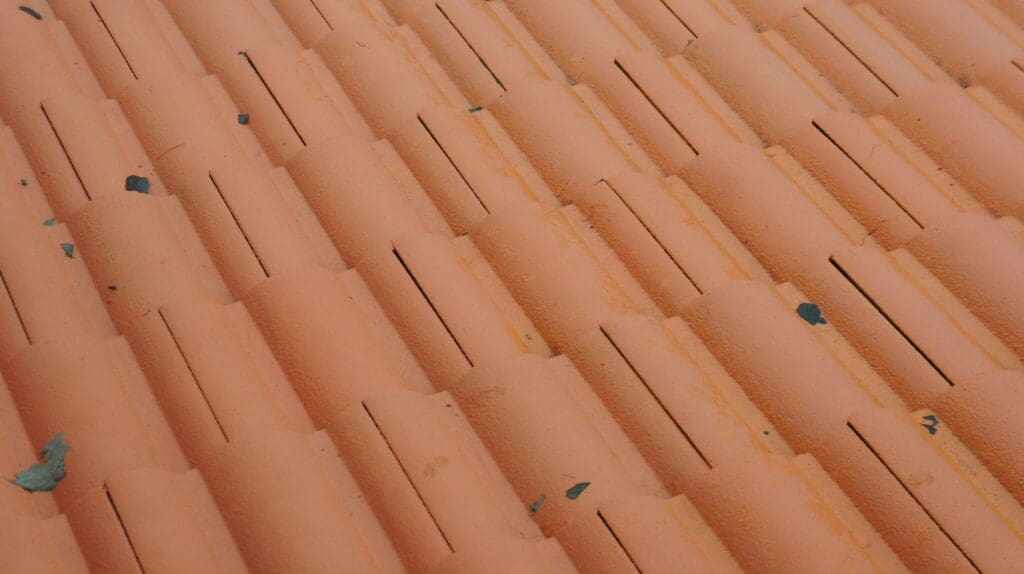
Hail damage looks different depending on the roofing material. Asphalt shingles may show dark impact marks or missing granules. Clay and concrete tiles can develop cracks or broken edges. Metal roofs may have dents, while TPO, PVC, and spray foam roofing systems can suffer punctures, coating damage, or less obvious damage beneath the surface. Not…
Read MoreWhy Is My Tile Roof Leaking Even When the Tiles Look Fine?
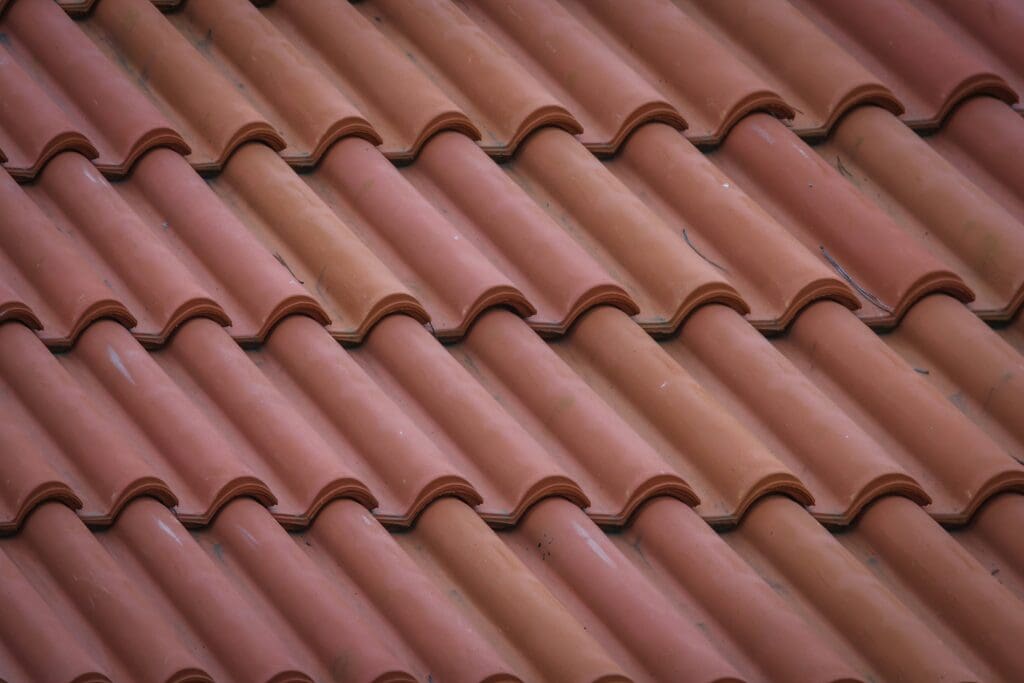
Your tile roof can leak even when every visible tile appears intact. The problem may be hidden beneath the tiles, where deteriorated underlayment, damaged flashing, improperly sealed roof penetrations, or drainage problems allow water to enter the roofing system. Clay and concrete roof tiles are designed primarily to shed rainwater. They are an important part…
Read MoreHow Do I Know When a Foam Roof Needs Recoating?
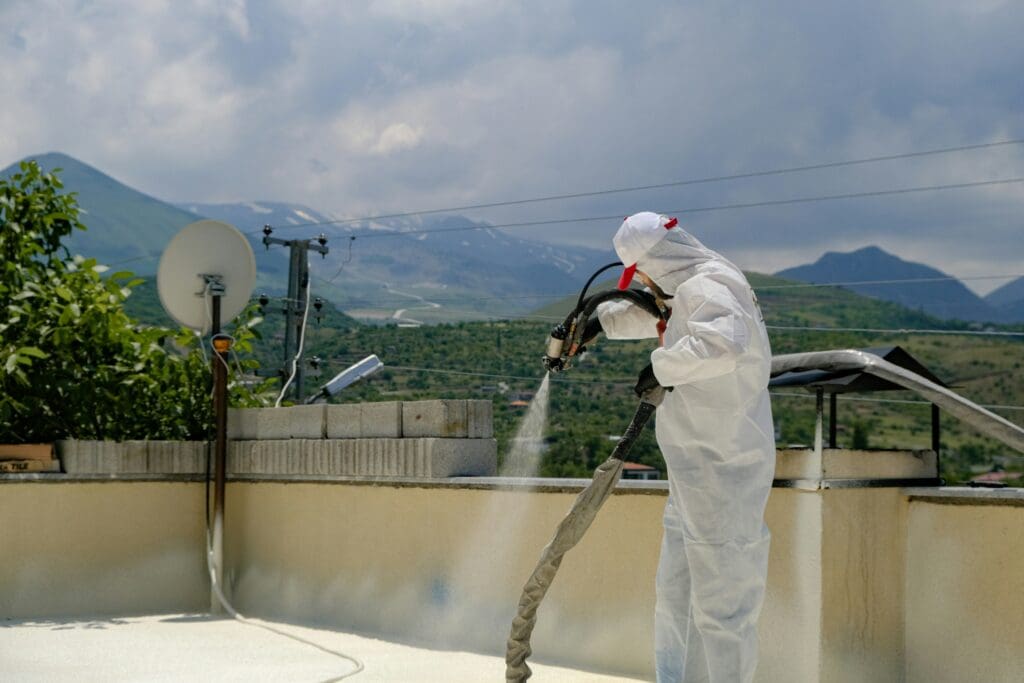
Your foam roof may need recoating when its protective surface begins to wear thin, crack, peel, or expose the foam underneath. Fading and a chalky appearance can also indicate aging, although these changes alone do not necessarily mean the roof needs a new coating. The key is determining whether the protective coating is still doing…
Read MoreWhy Is Water Coming Through My Parapet Wall After Rain or Snow?
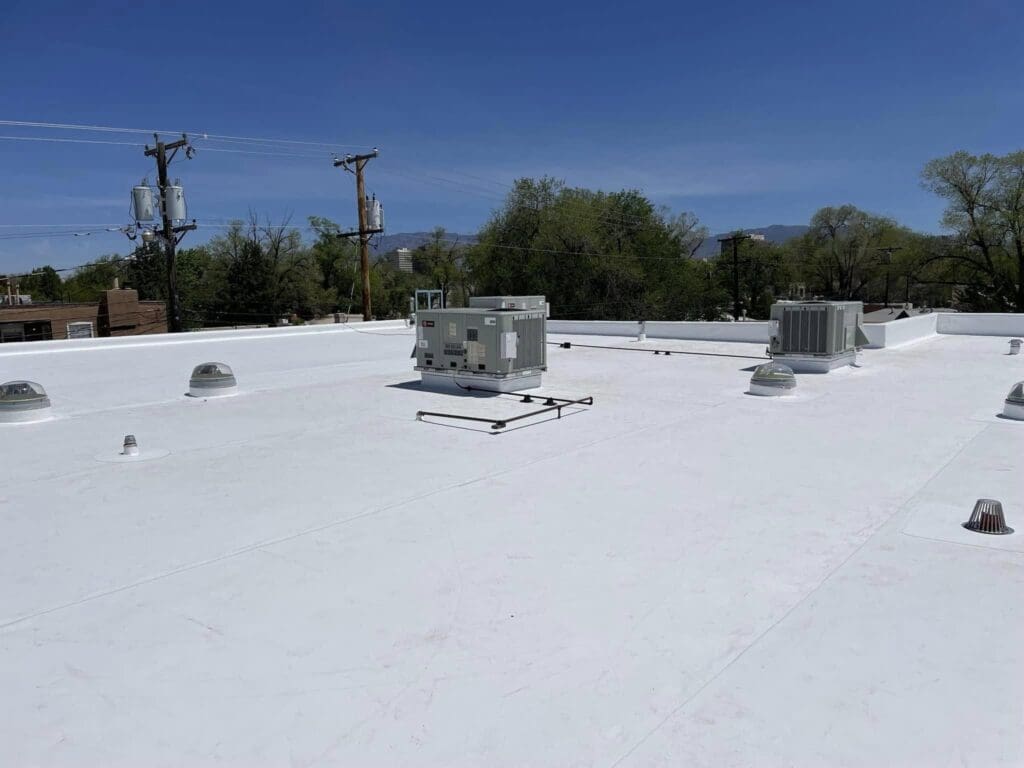
Water coming through a parapet wall after rain or snow usually means moisture has found a way past the wall’s protective roofing, flashing, or exterior finish. Possible entry points include damaged parapet caps, loose roof-to-wall flashing, cracked canales, deteriorated membrane connections, or openings in stucco. The location of the water stain does not necessarily identify…
Read MoreWhat Roof Maintenance Should I Do Before the Albuquerque Monsoon Season?
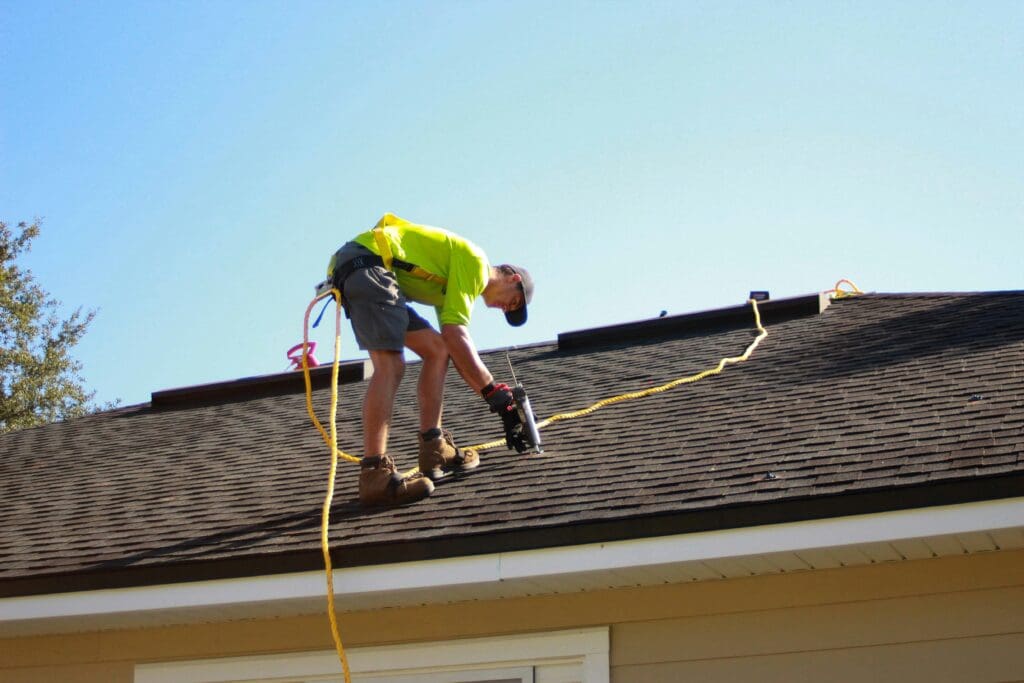
Before Albuquerque’s monsoon season, the most important roof maintenance is to check drainage paths, inspect roof canales and flashing, look for deteriorated roofing materials, and address signs of existing leaks. Flat roofs deserve particular attention because blocked drainage openings or damaged waterproofing can allow heavy rainfall to collect where it should flow away. You can…
Read MoreHow Long Does Tile Roof Underlayment Last in New Mexico?

Tile roof underlayment does not have one guaranteed lifespan in New Mexico. Its service life depends on the material installed, the quality of the original installation, the roof’s condition, and exposure to heat, moisture, and changing weather. The underlayment may need replacement long before the clay or concrete tiles above it wear out. This distinction…
Read MoreCan Wind Damage a Roof Without Blowing Off Material?
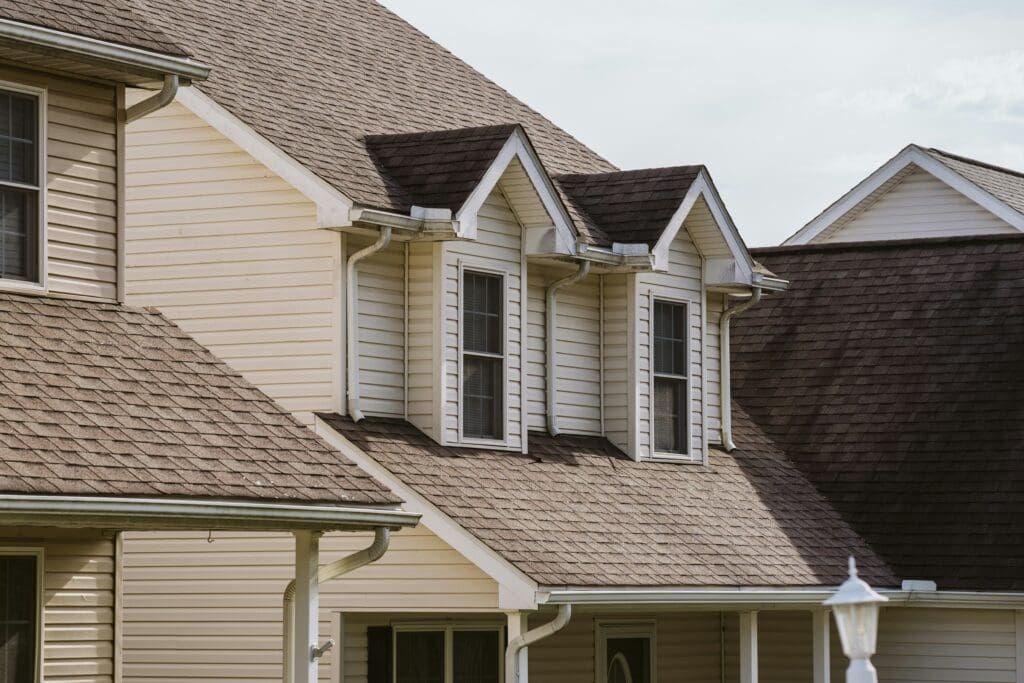
Yes. Wind can damage a roof without blowing off shingles, metal panels, flashing, or other roofing materials. Strong winds can weaken attachment points, loosen seams, lift roof edges, and damage seals while leaving the roofing material in place. For homeowners in Albuquerque and Santa Fe, this means a roof can appear undamaged from the ground…
Read MoreWhy Do TPO Roof Seams Fail?
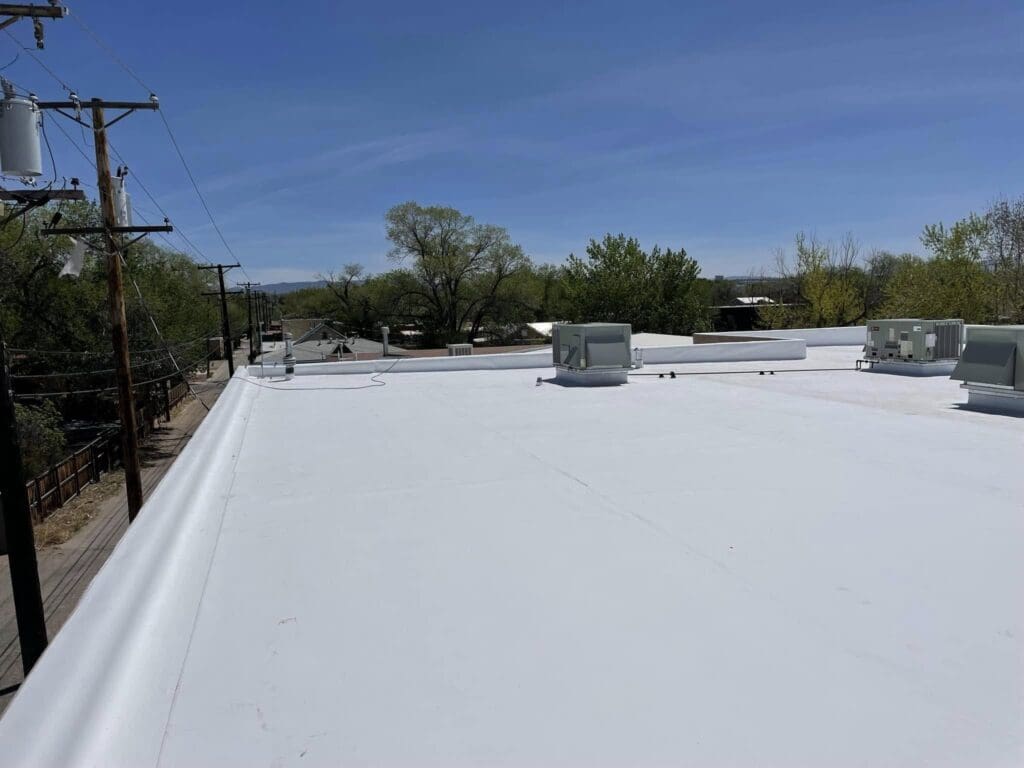
TPO roof seams can fail because of incomplete heat welding, contamination, improper welding conditions, insufficient pressure, membrane movement, aging, wind stress, rooftop damage, or poor previous repairs. An isolated failed seam may often be repaired, but repeated seam failures can indicate a broader problem involving installation, moisture, attachment, or the overall roofing system. For property…
Read MoreCan You Walk on a TPO Roof Without Damaging It?
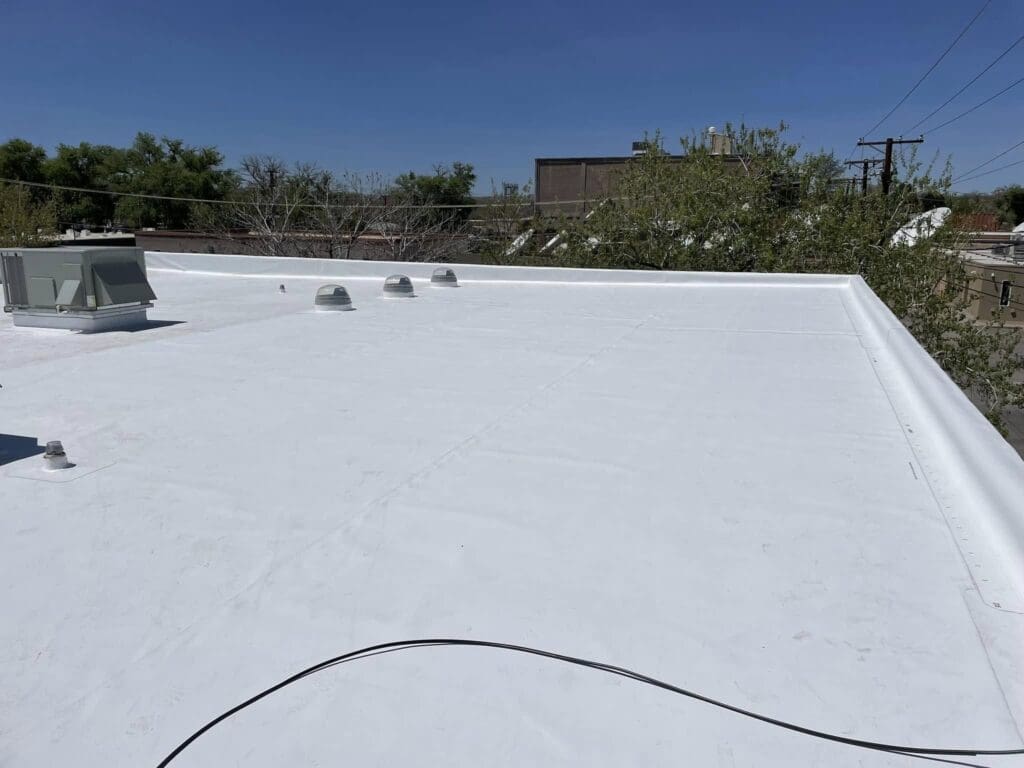
Yes. Limited, necessary foot traffic is generally possible on many properly installed TPO roofs, but a TPO membrane should not be treated as a general walking surface. Repeated traffic, sharp objects, dropped tools, loose fasteners, carts, concentrated loads, and walking over wet or weakened areas can puncture or damage the roofing system. For commercial property…
Read MoreCan You Paint Over a Ceiling Water Stain or Do I Need to Replace the Drywall?
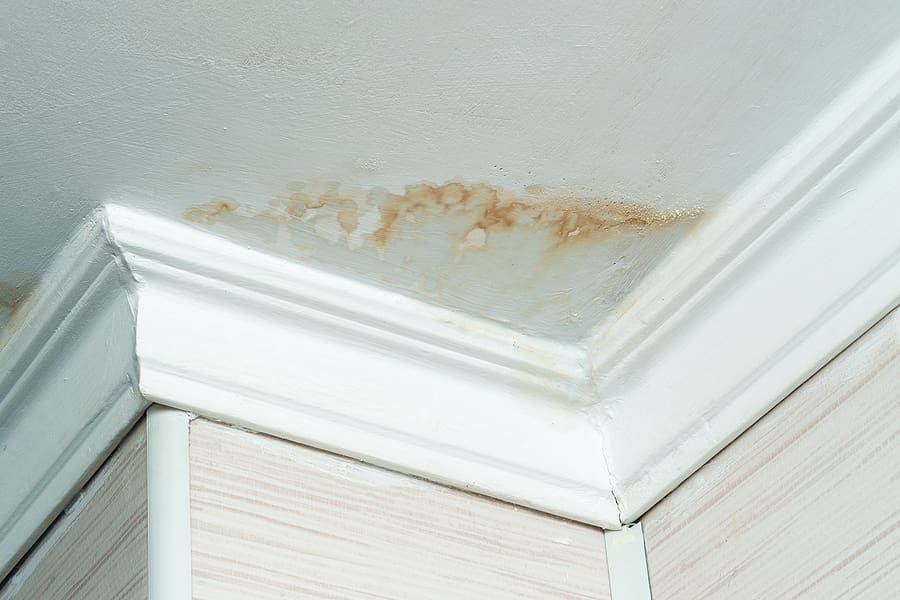
A brown or yellow ceiling water stain can make an otherwise clean room look neglected. It is understandable that many homeowners want to grab a can of stain-blocking primer, cover the discoloration, and move on. Sometimes that is an acceptable final repair. But painting should never be the first step. You may be able to…
Read More