
What Does Hail Damage Look Like on Different Roofing Materials?
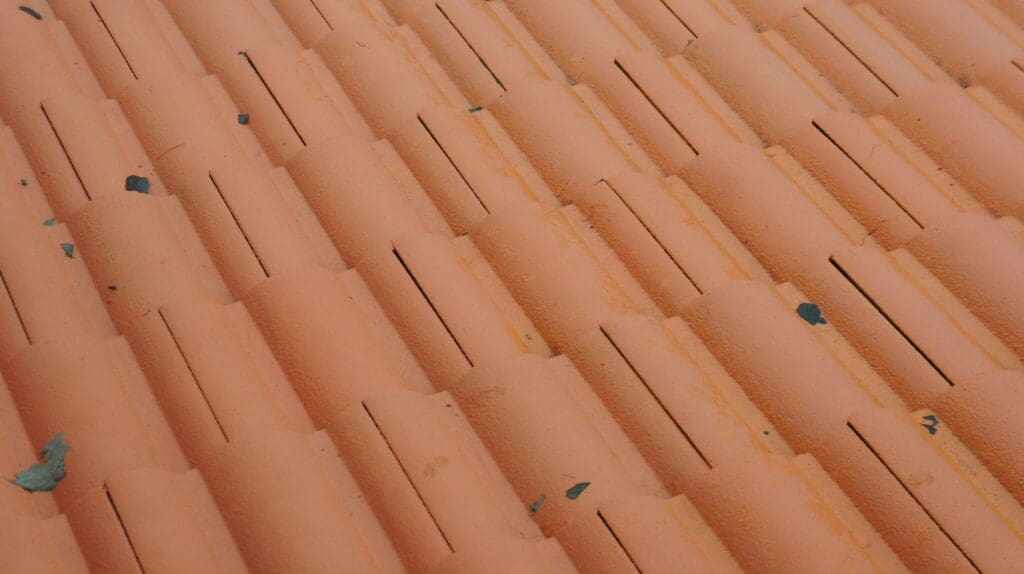
Hail damage looks different depending on the roofing material. Asphalt shingles may show dark impact marks or missing granules. Clay and concrete tiles can develop cracks or broken edges. Metal roofs may have dents, while TPO, PVC, and spray foam roofing systems can suffer punctures, coating damage, or less obvious damage beneath the surface.
Not every visible hail mark means a roof is leaking, and a roof without visible damage is not necessarily undamaged.
The size and hardness of the hailstones, wind conditions, roof slope, material age, and roofing system construction all influence the damage a storm may cause.
For homeowners and commercial property owners in Albuquerque and Santa Fe, recognizing these differences can help determine when a professional roof inspection is appropriate.
What Does Hail Damage Look Like on Each Roofing Material?
Hail does not leave one universal pattern. A mark that suggests damage on an asphalt shingle may look completely different from an impact on a metal or flat roofing system.
The following comparison explains what to look for and why appearance alone cannot establish the extent of the damage.
| Roofing material | Possible signs of hail damage | What may need closer inspection |
| Asphalt shingles | Dark impact spots, localized granule loss, bruising, cracks | Shingle reinforcement, underlying layers, flashing |
| Clay or concrete tile | Cracks, chips, fractures, broken corners | Concealed cracks, displaced tiles, underlayment |
| Metal roofing | Round or irregular dents, coating scratches, damaged seams | Panel joints, protective finishes, fasteners, flashing |
| TPO or PVC roofing | Punctures, scuffs, depressions, membrane splits | Seams, cover boards, insulation, concealed impact damage |
| Spray foam roofing | Coating cracks, impact craters, exposed foam, surface depressions | Protective coating integrity, foam condition, trapped moisture |
| Modified bitumen or built-up roofing | Displaced surfacing, impact marks, cracks, punctures | Membrane layers, reinforcement, insulation, flashing |
These are possible indicators, not definitive proof that hail caused the damage. Similar conditions can develop through aging, foot traffic, installation problems, or earlier storms.
What Does Hail Damage Look Like on Asphalt Shingle Roofs?
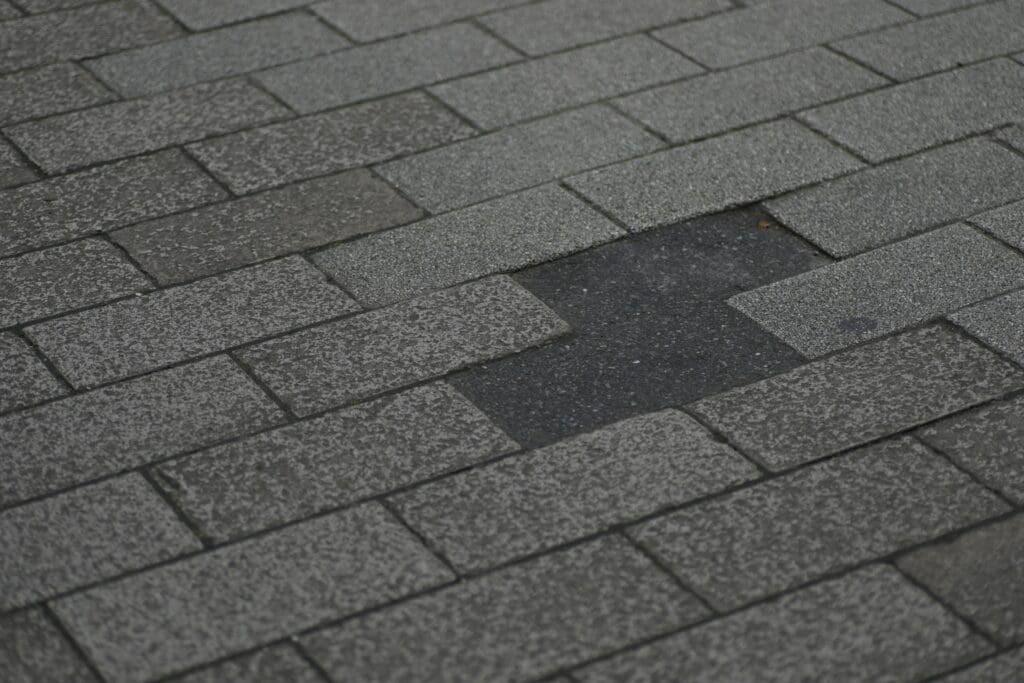
Asphalt shingles are common on residential roofs throughout Albuquerque, Rio Rancho, and surrounding communities.
They have a protective surface made of mineral granules that help shield the underlying asphalt from sunlight and weather exposure.
When hail strikes a shingle, the impact may disturb those granules or damage the material beneath them.
Dark Spots and Missing Granules
A hail impact can create a localized area where protective granules have been displaced.
The exposed asphalt may appear darker than the surrounding shingle surface. Some impact marks are roughly circular, although their shapes can vary.
Granules may also collect in gutters and downspouts after a storm.
However, granule loss does not automatically mean hail damage. Asphalt shingles naturally lose some granules as they age, and granules can also be disturbed by installation or maintenance activity.
A roofing professional looks at the location, distribution, and physical characteristics of the marks rather than relying on color alone.
Bruising and Cracked Shingles
Some hail impacts can damage the shingle beneath its visible surface.
This may produce a soft or bruised area, fractured reinforcement, or a crack that is difficult to recognize from the ground.
A shingle can also look relatively normal while having damage that affects its ability to withstand future weather exposure.
Because distinguishing impact damage from aging or manufacturing characteristics requires experience, homeowners should avoid pressing on shingles or attempting their own close-up roof examination.
What Does Hail Damage Look Like on Clay and Concrete Tile Roofs?
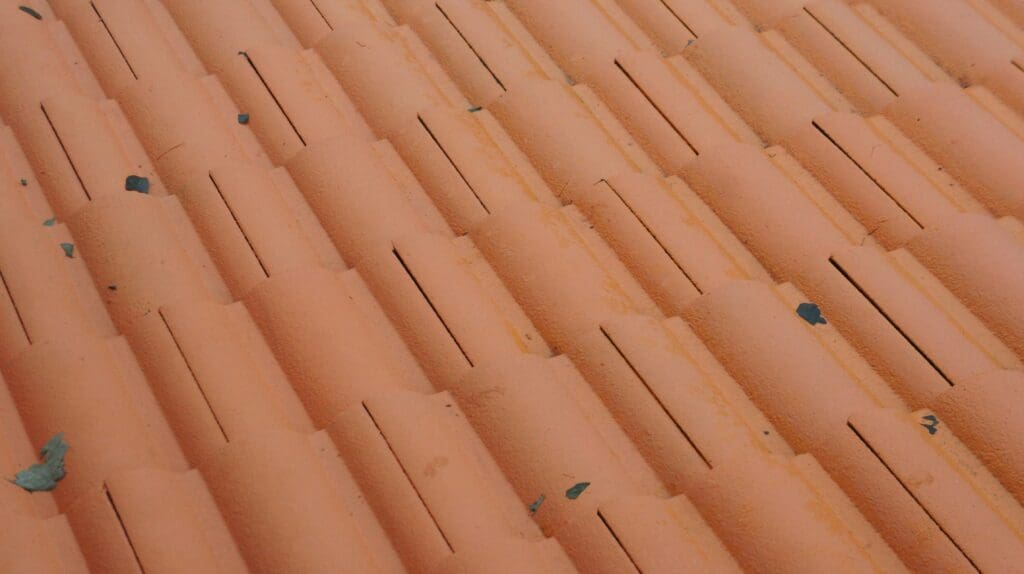
Clay and concrete tile roofs are found on many Southwestern-style homes in New Mexico.
Unlike asphalt shingles, these roofing materials are rigid. A sufficiently strong impact may cause a fracture rather than a soft dent.
Cracked or Broken Roof Tiles
Possible hail-related damage includes:
- Cracks extending across the tile surface
- Chipped corners or broken edges
- Fractures near overlapping sections
- Missing pieces or displaced tiles
- Cracks that are difficult to see from the ground
Not every chip or crack results from hail. Tiles may also be damaged by foot traffic, handling, installation, or other physical impacts.
The age and condition of the tile matter, as does the location of the fracture.
Can a Tile Roof Leak Even When the Tiles Look Fine?

Yes. A tile roof includes more than its visible surface.
Beneath the tiles is underlayment that provides additional protection against water intrusion. Flashing and other components protect roof intersections and penetrations.
Hail or associated storm conditions may affect these components even when the visible tiles appear intact.
A roof leak can also originate from an older underlayment or flashing problem unrelated to the recent storm.
This is why a tile roof inspection should consider the entire roofing system rather than only the visible tiles.
What Does Hail Damage Look Like on Metal Roofs?
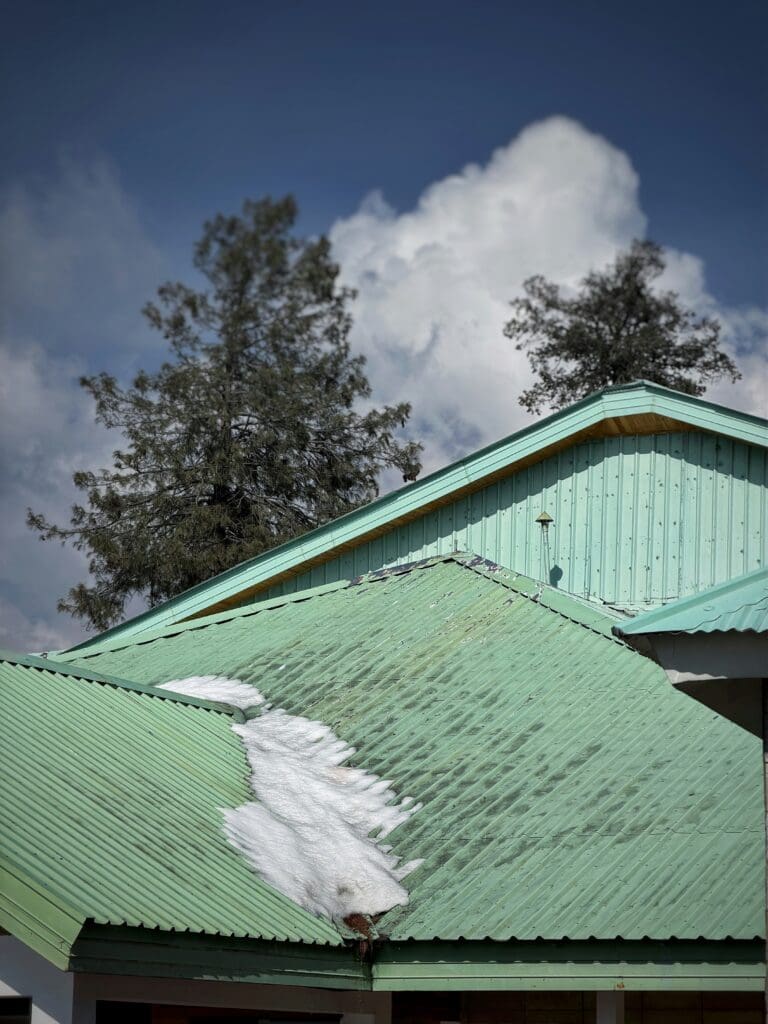
Metal roofing responds differently to hail because metal panels can deform without necessarily breaking.
One of the most recognizable signs is a shallow dent or depression in the panel.
Dents and Surface Deformation
Hail may leave round, oval, or irregular dents, depending on the impact angle and panel design.
Some dents are easier to see when sunlight reflects across the roof at a low angle.
The visibility of denting can also depend on the metal’s thickness, profile, finish, and supporting structure.
Are Metal Roof Dents Always Serious?
No. A metal roof dent may be cosmetic, but some impacts can affect the roofing system’s performance.
For example, a shallow dent in the middle of an otherwise intact panel may have different implications from an impact that damages a standing seam, fastener, or protective finish.
Damage to coatings can matter because those finishes help protect the underlying metal from corrosion.
A professional inspection may examine the following:
- Panel deformation and possible cracking
- Standing seams and other panel connections
- Fasteners and attachment points
- Protective coating damage
- Flashing around penetrations and roof edges
A dent alone does not establish whether repair or replacement is necessary. The location and effect on the roofing system are more important than appearance by itself.
What Does Hail Damage Look Like on TPO and PVC Flat Roofs?
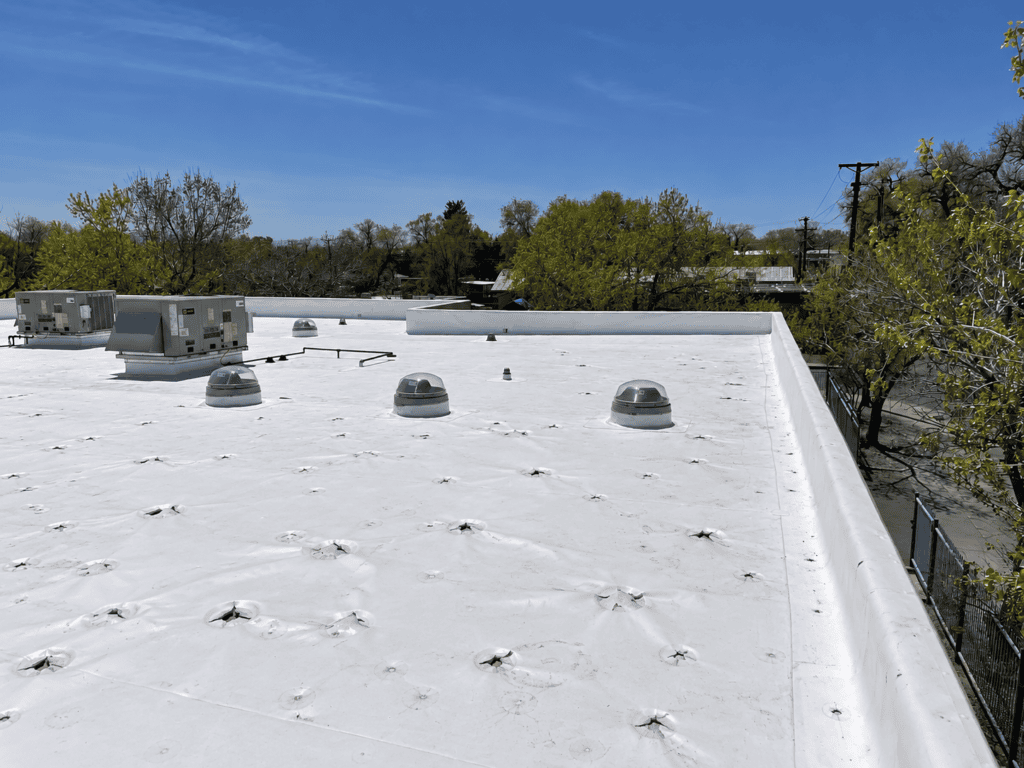
TPO and PVC are single-ply roofing membranes commonly used on commercial and low-slope buildings.
These systems may include a membrane, cover board, insulation, and structural roof deck.
Hail damage can affect one or several of these layers.
Visible Membrane Damage
Possible signs include surface depressions, scuffs, splits, punctures, or damage around seams and rooftop equipment.
A puncture is particularly concerning because it can create a direct path for water intrusion.
However, a surface mark that looks like a puncture may require closer examination to determine whether the membrane has been breached.
Can Hail Damage a TPO Roof Without Leaving a Hole?
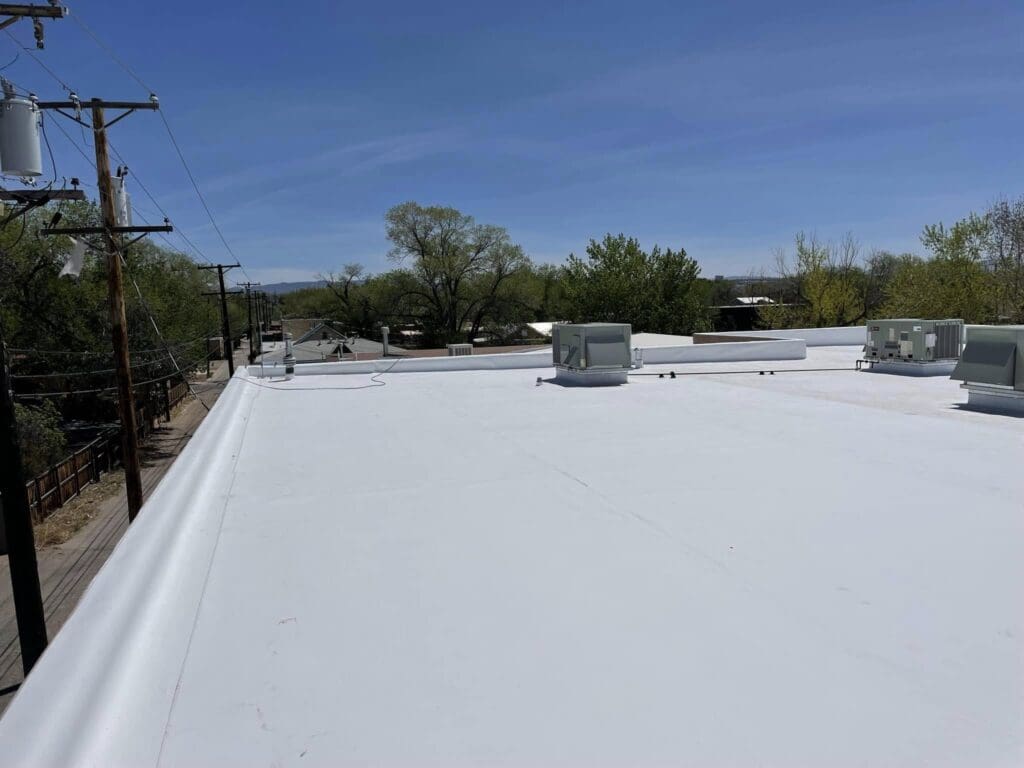
Yes. A hail impact can affect materials beneath the membrane without creating an obvious opening in the surface.
Depending on the roofing assembly, an impact may compress or damage insulation or cover board beneath the membrane.
This can make flat-roof hail damage difficult to evaluate through photographs alone.
Roofing professionals may need to assess membrane condition, seams, insulation, and other components to determine the extent of the damage.
For a more detailed explanation, read How Does Hail Damage a TPO Roof?.
Property owners can also learn more about how hail affects flat roofs in Albuquerque.
What Does Hail Damage Look Like on Spray Foam Roofs?
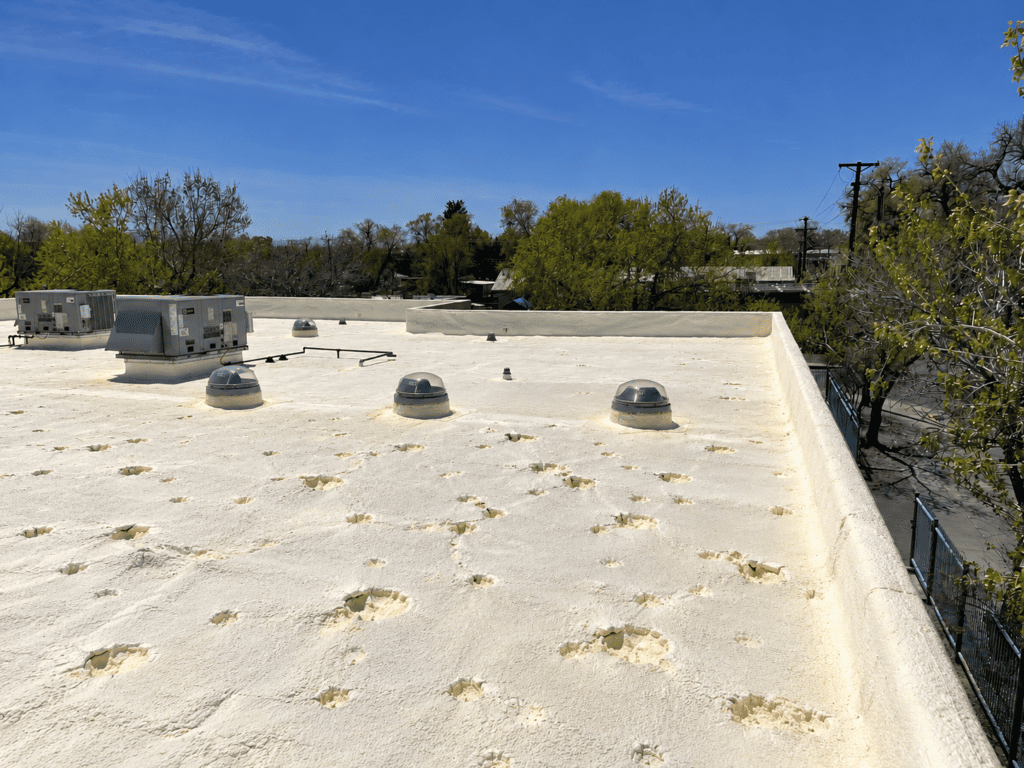
Spray polyurethane foam roofing, often called SPF roofing, consists of a foam layer protected by a specialized roof coating.
The coating shields the foam from sunlight and weather exposure.
Hail impacts can damage the coating, the foam beneath it, or both.
Impact Craters and Coating Damage
Possible signs include small depressions, cracks, coating fractures, or exposed foam.
The severity depends on the coating system, foam properties, impact conditions, and existing roof condition.
An impact that breaks the protective coating deserves attention because exposed polyurethane foam can deteriorate when subjected to sunlight and moisture.
Does Every Foam Roof Dent Require Replacement?
No. The appropriate response depends on whether the coating remains intact, whether the foam has been damaged, and how extensive the affected area is.
Some localized problems may be repairable using materials compatible with the existing roofing system.
More widespread damage may require additional restoration work.
A professional should also determine whether a visible depression resulted from hail, earlier damage, or normal variations in the foam surface.
Can Hail Damage Modified Bitumen or Built-Up Roofing?
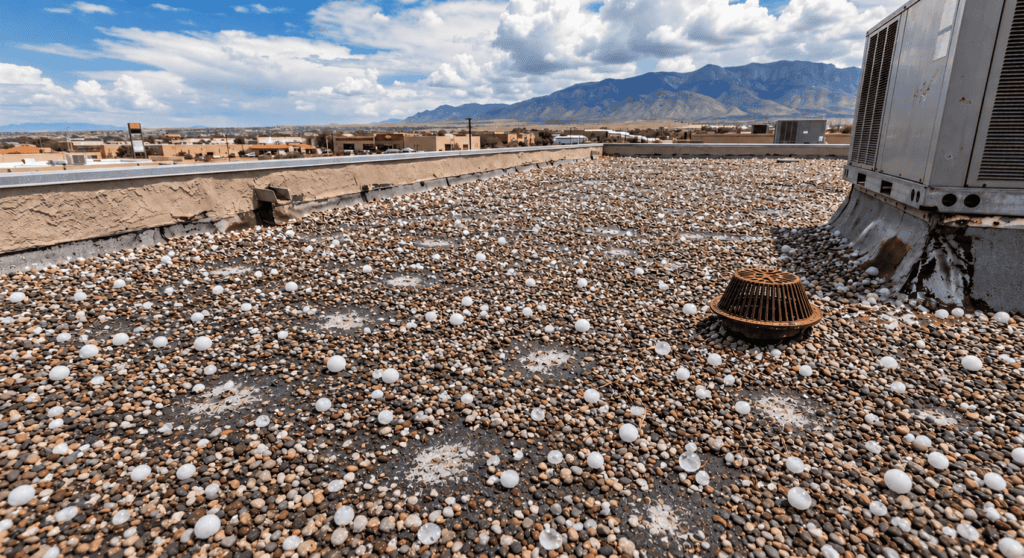
Yes. Modified bitumen and built-up roofing systems can also be affected by hail.
These systems often have multiple protective layers, and some include granulated or gravel-covered surfaces.
Possible evidence includes displaced surfacing, punctures, cracks, and damage to underlying roofing materials.
However, surface granule loss or displaced gravel may have causes other than hail.
The inspector must consider the roofing material, its age, the impact pattern, and the condition of the layers beneath the surface.
For more background on roofing-system problems, see What Are the Most Common Flat Roof Problems in New Mexico?.
How Can I Tell Hail Damage from Normal Roof Wear?
One of the biggest challenges after a hailstorm is determining whether a visible mark is new storm damage or a condition that existed beforehand.
A roof can develop cracks, discoloration, surface wear, and coating deterioration without experiencing hail damage.
For example, an older asphalt shingle roof may already have widespread granule loss. A metal roof may contain dents from previous maintenance work. A foam roof may have coating cracks caused by aging or movement.
A roofing professional evaluates the evidence in context.
The location and distribution of marks can be helpful. Impact-related damage may appear across exposed roof areas and nearby metal components, but no single pattern proves hail damage.
The inspector may also compare affected and sheltered areas, review available photographs, and consider the condition of the roofing materials before the storm.
The goal is to identify actual damage rather than assume every imperfection was caused by hail.
Does Every Dent, Chip, or Crack Mean the Roof Will Leak?
No. Visible damage and water intrusion are related, but they are not the same thing.
A shallow dent in a metal panel may not compromise its ability to shed water. A minor surface chip on a concrete tile may have different consequences from a fracture extending through the tile.
On a flat roof, a surface scuff may be less concerning than a puncture or damage to the membrane’s seams.
The distinction is often described as cosmetic damage versus functional damage.
Cosmetic damage primarily changes appearance. Functional damage affects the roofing system’s ability to perform as intended, including protecting the building from weather.
The distinction is not always obvious. Some damage may affect long-term durability without producing an immediate leak.
Manufacturers and insurance policies may also apply different definitions or evaluation requirements. A roofing inspection can document physical conditions, but it does not by itself determine insurance coverage.
Can Hail Damage Be Hidden Beneath the Roof Surface?
Yes. Hail can affect concealed roofing components even when the outer surface appears relatively normal.
A roof is an assembly of materials working together to protect the building.
Depending on the roofing system, those materials may include underlayment, insulation, cover boards, flashing, fasteners, and waterproofing membranes.
Consider three buildings exposed to the same hailstorm.
One has an asphalt shingle roof with localized granule displacement. Another has a metal roof with shallow dents. A third has a TPO roof with no obvious surface punctures.
The visible evidence is different on each building, but none of those observations alone establishes whether the roofing system has sustained functional damage.
The shingle roof may need examination for fractured material. The metal roof may require evaluation of its seams and protective finish. The TPO roof may need assessment of its membrane and underlying insulation.
This is why applying the same inspection method or repair recommendation to every roof can lead to incorrect conclusions.
What Should I Photograph After a Hailstorm?
Photographs can help document conditions after a storm, especially when they are taken before cleanup or repairs.
You can collect useful evidence without climbing onto the roof.
From safe ground-level locations, consider photographing:
- Visible roof conditions, including displaced tiles or shingles.
- Dents or impact marks on accessible gutters and downspouts.
- Damage to siding, window screens, or other exterior building materials.
- Fallen roofing materials or debris.
- Interior ceiling stains or water intrusion.
- The date and approximate time when the storm occurred.
Photograph both close-up details and wider views that show where the damage is located.
Do not assume that dents on a gutter prove the roof has sustained functional damage. They provide useful context about the storm’s impact but are not a substitute for a roof inspection.
Avoid climbing ladders or walking on the roof, particularly when surfaces are wet, damaged, or covered with loose debris.
How Does a Roofer Inspect Hail Damage on Different Roof Systems?
A professional roof inspection should account for the roofing material and the construction beneath it.
On an asphalt shingle roof, the inspection may focus on impact marks, granule displacement, cracking, and the condition of the shingles.
On a tile roof, the inspector may examine fractures, displaced tiles, flashing, and areas where concealed damage is suspected.
Metal roofing requires attention to panel deformation, seams, fasteners, and protective finishes.
For TPO, PVC, and other membrane roofs, the inspection may involve evaluating punctures, seams, rooftop penetrations, and possible damage beneath the membrane.
Spray foam roofing requires examination of the protective coating and underlying foam.
A qualified inspector should also consider whether damage existed before the storm.
If your roof appears undamaged from the ground, you can learn more about why a roof inspection may still be worthwhile after a hailstorm.
Should Hail Damage Be Repaired, or Does the Roof Need Replacement?
Not every hail-damaged roof requires replacement.
The appropriate recommendation depends on the roofing system, the type of damage, its extent, and whether the affected components can be repaired according to applicable requirements.
Localized damage may be repairable. Examples could include replacing individual damaged shingles or tiles, addressing specific flashing problems, or making approved repairs to a limited membrane or coating area.
More extensive damage may require larger repairs or replacement, especially when critical roofing components are compromised across a substantial area.
A professional evaluation should consider whether a proposed repair can restore the affected system’s intended performance.
For certain flat roofing systems, see Can a Flat Roof Leak Be Repaired Without Full Replacement?.
If you have a TPO roof, Can a TPO Roof Be Repaired or Does It Need Replacement? explains additional considerations.
Why Is Hail Damage a Major Ongoing Concern in Albuquerque and Santa Fe?
Hailstorms are one of several weather-related challenges affecting roofs in Central and Northern New Mexico.
Albuquerque, Santa Fe, and surrounding communities experience strong sunlight, seasonal monsoon storms, high winds, and substantial temperature changes.
These conditions matter because roofing materials may already be aging or experiencing weather-related wear before a hailstorm occurs.
A roof with older shingles, deteriorated coatings, or existing flashing problems may require a different evaluation from a recently installed roofing system.
Roof slope and orientation can also influence which areas receive the greatest exposure during wind-driven hail.
For commercial buildings with flat roofs, concealed membrane or insulation damage may deserve particular attention because the visible surface does not always reveal the condition of the full roofing assembly.
The presence of hail in a neighborhood does not establish that every nearby roof was damaged. Each property needs to be evaluated individually.
Frequently Asked Questions About Roof Hail Damage
Can a Roof Get Hail Damage Without Leaking?
Yes. A roof can sustain physical damage without developing an immediate leak. Some impacts may affect protective materials or concealed components before water intrusion becomes noticeable.
Is Granule Loss Always a Sign of Hail Damage?
No. Asphalt shingles can lose granules through aging, weather exposure, and other causes. Localized impact patterns may raise questions about hail damage, but granule loss alone does not confirm the cause.
Can I Check My Roof for Hail Damage from the Ground?
You can identify some visible conditions and photograph accessible exterior damage from the ground. However, ground-level observations cannot reliably reveal all roof damage, particularly concealed fractures, membrane problems, or damage beneath the surface.
Should I File an Insurance Claim Before Getting a Roof Inspection?
A roofing inspection can help document the roof’s condition, but it does not establish whether damage is covered by insurance. Review your policy, reporting requirements, and applicable deadlines, and contact your insurer with coverage or claims questions. Do not delay reporting a potential loss while waiting for an inspection if your policy requires prompt notice.
Schedule a Professional Hail Damage Roof Inspection in Albuquerque or Santa Fe
Hail damage does not look the same on every roofing material. What appears to be a minor surface mark on one roof may require a different level of attention on another.
The most useful next step is to determine whether the storm affected the roofing system’s weather protection, not simply whether dents or marks are visible.
Rocky Mountain Roofing Services provides residential and commercial roof inspections, storm damage assessments, roof repairs, and roof replacement services throughout Albuquerque, Santa Fe, Rio Rancho, and surrounding New Mexico communities.
With more than 35 years of combined roofing experience, the company evaluates roofing systems with attention to their condition, construction, and long-term performance.
If your property has recently experienced a hailstorm, schedule a professional evaluation to understand whether repairs or further investigation are needed.
Call Rocky Mountain Roofing Services at 505-717-1925, or request a roofing estimate online.
Homeowners and commercial property owners can also arrange an Albuquerque roof inspection or Santa Fe roof inspection.
Roof Hail Damage Disclaimer
This article is for general educational purposes. Hail damage varies by roofing material, roof condition, and storm severity. Manufacturer specifications, warranties, building codes, and insurance coverage may differ. No specific hailstone size guarantees damage or requires roof replacement. Consult a qualified roofing professional and applicable manufacturer guidelines for an accurate assessment. Insurance coverage is subject to individual policy terms and conditions.