
How Long Does Tile Roof Underlayment Last in New Mexico?
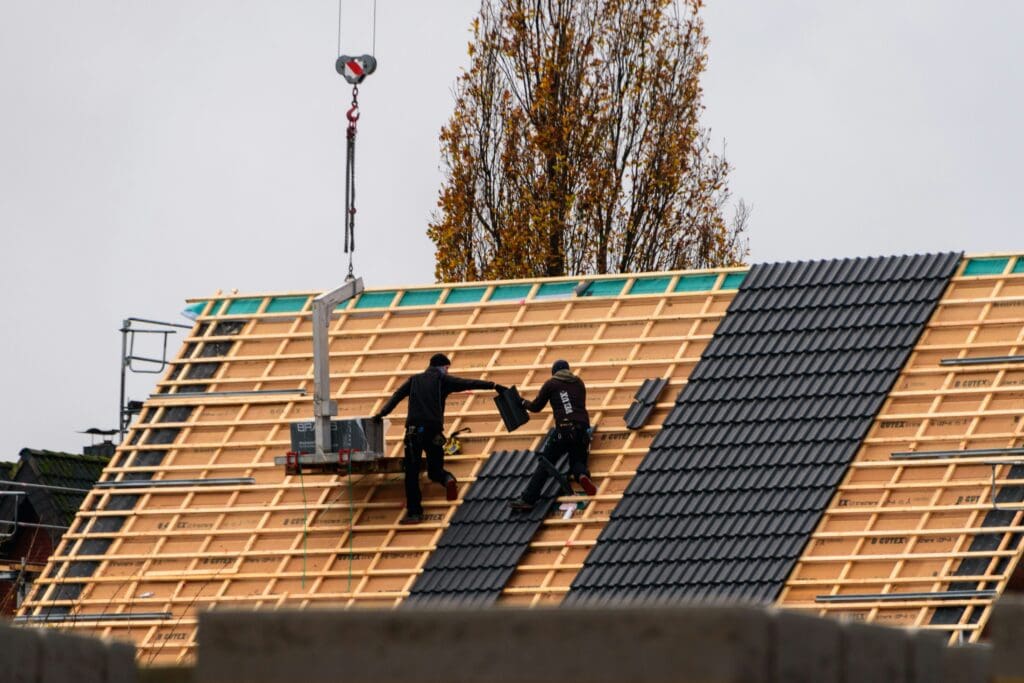
Tile roof underlayment does not have one guaranteed lifespan in New Mexico. Its service life depends on the material installed, the quality of the original installation, the roof’s condition, and exposure to heat, moisture, and changing weather. The underlayment may need replacement long before the clay or concrete tiles above it wear out.
This distinction matters for homeowners in Albuquerque and Santa Fe. A tile roof can look perfectly good from the street while the protective layer underneath is deteriorating. Water may eventually reach the roof decking even when no tiles appear broken or missing.
The best way to determine whether underlayment needs replacement is through a professional roof inspection, not simply by counting the years since installation.
How Long Can Tile Roof Underlayment Last?
There is no single replacement schedule that applies to every tile roof.
Some homeowners encounter general estimates of 20 to 30 years for tile roof underlayment. However, that range should not be treated as a reliable prediction for an individual New Mexico property. Different products, installation methods, and environmental conditions can produce substantially different results.
An older roof with traditional asphalt-saturated felt underlayment may perform differently from a roof using a modern synthetic or self-adhered underlayment system.
Even two houses built in the same neighborhood may have different underlayment conditions if their roofs have different slopes, sun exposure, drainage patterns, or installation histories.
The most useful information includes the original installation date, the underlayment product, available maintenance records, and the roof’s current condition.
A roof’s age tells you when to investigate. Its condition helps determine what work is necessary.
Why Can Roof Tiles Last Longer Than the Underlayment?
A tile roof consists of several components that work together to protect a building.
The visible clay or concrete tiles provide the outer layer. They help shed rainwater, protect the roof assembly from direct sunlight, and give the building its architectural appearance.
Beneath the tiles is the underlayment, which serves as a critical secondary water-shedding layer.
The roof assembly may also include battens, flashing, fasteners, ventilation details, and the roof deck. The exact construction varies.
Although roof tiles shed much of the rainwater, they are not intended to prevent every drop of moisture from reaching the layers below.
Wind-driven rain, melting snow, and water moving through tile overlaps can reach the underlayment.
When the underlayment is functioning properly, it helps direct that moisture toward the roof’s drainage edges.
Over time, the underlayment may lose flexibility, develop tears, or deteriorate around fasteners and roof penetrations.
The tiles themselves may remain structurally sound.
That is why a tile roof can sometimes be renewed by replacing the underlayment and reinstalling suitable existing tiles rather than replacing every roofing component.
What Types of Underlayment Are Used Beneath Tile Roofs?
The underlayment material influences how the roofing system performs and how its condition should be evaluated.
| Underlayment type | General characteristics | What homeowners should know |
| Asphalt-saturated felt | Traditional asphalt-based sheet material | Performance depends on product grade, installation, exposure, and roof conditions |
| Synthetic underlayment | Engineered sheet materials with varying compositions | Product approval for tile roofing and installation requirements must be confirmed |
| Self-adhered modified-bitumen underlayment | Membrane designed to adhere to an approved substrate | Compatibility, substrate preparation, temperature conditions, and manufacturer instructions matter |
No category automatically guarantees a particular service life.
For example, the term synthetic underlayment describes a broad group of products rather than one uniform material.
Likewise, a self-adhered membrane may offer useful water-resistance characteristics, but its performance still depends on proper installation and compatibility with the roof assembly.
The Tile Roofing Industry Alliance provides industry resources addressing tile roof installation and roofing-system components. Product selection should follow the applicable installation guidance and the manufacturer’s instructions.
What Shortens Tile Roof Underlayment Life in New Mexico?
New Mexico’s climate creates several conditions that can influence roof performance. These factors do not affect every roof equally, but they deserve attention when evaluating an aging tile roofing system.
Intense Sunlight and Summer Heat
Albuquerque and Santa Fe experience strong sunshine and substantial roof-surface heating.
The tiles provide shade for much of the underlayment, but exposed edges, installation-stage exposure, and heat within the roofing assembly can affect certain materials.
Some underlayment products have specific limits on how long they may remain exposed before the tiles are installed.
Exceeding those limits can compromise product performance, depending on the material.
Heat and repeated temperature changes may also affect aging components, sealants, and flashing details.
Monsoon Rain and Wind-Driven Water
During New Mexico’s monsoon season, intense rainfall can place additional demands on a roof’s water-shedding system.
Wind may drive water beneath tile overlaps, particularly around roof transitions and vulnerable details.
Properly installed underlayment is designed to help manage moisture that reaches beneath the tiles.
However, deteriorated material, damaged flashing, or poorly sealed penetrations can allow water to reach the roof deck.
A leak that appears during a heavy storm does not automatically prove the entire underlayment has failed. The water may be entering through one specific detail.
For example, a leak near a roof transition or penetration may be related to damaged flashing. Learn more about how roof flashing can cause leaks.
Snow and Freeze-Thaw Conditions in Santa Fe
Santa Fe and higher-elevation communities can experience snowfall, freezing temperatures, and repeated thawing.
Melting snow may move beneath tiles before draining from the roof.
If water encounters deteriorated underlayment or poorly constructed roof details, moisture intrusion may occur.
Freeze-thaw conditions can also affect vulnerable roofing components, particularly where water becomes trapped.
A tile roof in Santa Fe may therefore face different seasonal stresses from a similar roof in Albuquerque.
Installation Quality and Roof Design
Even high-quality underlayment can perform poorly when installed incorrectly.
Improper overlaps, inadequate attachment, damaged material, or poorly integrated flashing can create pathways for moisture.
Roof slope also matters because it influences how quickly water moves across the roofing surface.
The underlayment system must be appropriate for the tile type, roof slope, and applicable installation requirements.
What Are the Warning Signs of Failing Tile Roof Underlayment?
Because underlayment is hidden beneath the tiles, homeowners usually cannot assess its condition from the ground.
However, several warning signs justify further investigation.
- Water stains appearing on ceilings or interior walls after rain
- Recurring leaks despite previous localized roof repairs
- Damp or stained roof decking visible from an accessible attic
- Moisture appearing near skylights, chimneys, or roof penetrations
- Multiple leaks developing in different roof areas
- A roof with an uncertain installation history and repeated moisture problems
These symptoms may indicate underlayment deterioration, but they can also result from other roofing defects.
For example, water entering around a plumbing vent may create a ceiling stain even when the surrounding underlayment remains serviceable. See why roofs leak around plumbing vent pipes.
Likewise, leaks near skylights may involve flashing or other installation details rather than widespread underlayment failure. Learn more about common causes of skylight roof leaks.
The location of the stain is useful evidence, but water can travel along framing or roof decking before becoming visible indoors.
A ceiling stain tells you that moisture may be entering the building. It does not identify the exact point of entry.
How Is Hidden Tile Roof Underlayment Evaluated?
A professional inspection begins with the roof’s history and the symptoms the property owner has observed.
The roofing professional may ask when the roof was installed, whether previous leaks occurred, and whether any sections were repaired.
An evaluation may include examining accessible roof surfaces, flashing, drainage details, and visible signs of interior moisture.
Where appropriate, the contractor may recommend carefully lifting selected tiles to inspect the underlayment beneath them.
This can help identify problems such as torn material, deteriorated seams, moisture damage, or weakened areas around fasteners.
However, inspecting one section does not necessarily establish the condition of the entire roof.
A contractor may need to evaluate additional locations when leaks are widespread or the roof has a history of recurring problems.
Property owners in Central and Northern New Mexico can arrange a professional roof inspection in Albuquerque or roof inspection in Santa Fe to investigate suspected roofing problems.
Homeowners should not attempt to lift roof tiles themselves. Walking on tile roofing can break tiles and create serious fall hazards.
Should You Repair the Underlayment, Replace It, or Install a New Roof?
Discovering damaged underlayment does not automatically mean the entire tile roof needs replacement.
The appropriate solution depends on the extent of deterioration, the condition of the existing tiles, and the roof’s underlying structure.
Option 1: Localized Roof Repair
A localized repair may be appropriate when moisture intrusion is limited to a particular area.
For example, a roof may leak around a skylight because of damaged flashing while the surrounding underlayment remains in acceptable condition.
In that situation, the contractor may recommend correcting the flashing and replacing affected underlayment rather than removing the entire roofing system.
Localized repairs are less appropriate when the underlayment has deteriorated throughout large portions of the roof.
Option 2: Tile Roof Lift-and-Relay
A lift-and-relay involves removing existing roof tiles, replacing the underlayment and other necessary components, and reinstalling tiles that remain suitable for reuse.
This approach may be worth considering when the tiles are in good condition but the underlayment has reached the end of its useful service life.
The process can preserve the appearance of an existing clay or concrete tile roof.
However, reuse is not guaranteed.
Some tiles may crack during removal, while others may already have hidden damage. Replacement tiles may also be difficult to match, particularly on older roofs.
The contractor must evaluate tile condition, attachment methods, flashing, roof decking, and compatibility with the proposed new underlayment.
A lift-and-relay may reduce the need to purchase an entirely new set of tiles, but it still involves substantial labor. It should not automatically be assumed to cost less than every full replacement option.
Option 3: Complete Tile Roof Replacement
Full roof replacement may be appropriate when the existing tiles are extensively damaged, the roof assembly has serious defects, or reusing the original materials is impractical.
Widespread decking damage or significant changes needed to correct the roof’s construction may also influence the decision.
A professional evaluation should explain why replacement is recommended and which components require attention.
Homeowners considering a new roofing system can learn about roof replacement services in Albuquerque and Santa Fe.
Tile Roof Repair vs. Underlayment Replacement
| Roof condition | Possible explanation | Appropriate next step |
| One leak near a skylight | Flashing or localized underlayment damage | Inspect and evaluate targeted repair |
| Several leaks across different roof sections | Possible widespread underlayment deterioration | Assess multiple areas and overall roof condition |
| Intact tiles with deteriorated underlayment | Tiles may outlast the protective layer beneath them | Evaluate lift-and-relay |
| Numerous broken or unsuitable tiles | Existing tile may not be reusable | Compare full replacement options |
| Older roof with no known leaks | Age alone does not prove failure | Review records and consider a condition-based inspection |
These are possible outcomes, not automatic diagnoses. The findings from an inspection should determine the repair recommendation.
Why Two Tile Roofs of the Same Age May Need Different Repairs
Consider two hypothetical Santa Fe homes with clay tile roofs installed around the same time.
The first homeowner notices a small ceiling stain near a skylight after a heavy rainstorm. An inspection finds damaged flashing and a limited section of affected underlayment. The surrounding materials remain serviceable.
A localized repair may be reasonable.
The second homeowner has experienced leaks in several rooms over multiple storms. An inspection identifies deteriorated underlayment in several locations, even though most of the visible tiles remain intact.
That roof may be a candidate for underlayment replacement through a lift-and-relay, provided the tiles and other components are suitable for reuse.
Both roofs are the same age, yet their repair needs differ.
This is why underlayment replacement decisions should be based on documented roof conditions rather than age alone.
Questions to Ask Before Approving Tile Roof Underlayment Replacement
Before approving a major tile roofing project, ask the contractor to explain what the inspection found and how the proposed work addresses the problem.
Useful questions include:
- What evidence shows that the underlayment has deteriorated?
- Is the damage limited to one area or present throughout the roof?
- What type of underlayment is currently installed, if identifiable?
- Can the existing tiles be removed and safely reused?
- How will broke or unsuitable tiles be replaced?
- Will the work include necessary flashing, roof-deck repairs, and other roofing components?
- What underlayment product is proposed, and is it approved for this tile roof system?
- What do manufacturer and workmanship warranty terms apply?
A detailed estimate should identify the planned scope of work and explain important exclusions or conditions that could change the project.
Frequently Asked Questions About Tile Roof Underlayment
Is Felt Underlayment Different from Synthetic Underlayment?
Yes. Traditional asphalt-saturated felt and modern synthetic underlayments use different materials and may have different installation requirements. Their performance varies by product. Neither category should be assigned a universal lifespan without reviewing the manufacturer’s specifications and the actual roof conditions.
Does Replacing Tile Roof Underlayment Require Removing the Tiles?
Typically, replacing underlayment beneath an existing tile roof requires removing the tiles over the affected area. A full underlayment renewal generally involves removing tiles across the roof sections being renewed. Suitable tiles may then be reinstalled.
Can a Tile Roof Leak Even When No Tiles Are Broken?
Yes. Water may enter through deteriorated underlayment, defective flashing, roof penetrations, or other vulnerable areas. Intact tiles do not guarantee that the underlying roofing system is watertight.
Should Tile Roof Underlayment Be Inspected Before Buying a Home?
A roof inspection is worth considering when purchasing a home with an older tile roof, especially if the installation history is unknown or there are signs of previous water intrusion. A standard visual inspection may not reveal hidden underlayment deterioration. Ask the inspector what was evaluated and whether additional investigation is recommended.
Can I Wait Until My Tile Roof Starts Leaking to Replace the Underlayment?
Waiting for an interior leak can increase the risk of concealed moisture damage. However, replacing underlayment solely because the roof has reached a particular age may also be unnecessary. A condition-based inspection can help determine whether maintenance, targeted repairs, or more extensive work is appropriate.
Schedule a Tile Roof Inspection in Albuquerque or Santa Fe
A tile roof may look durable from the outside while the underlayment beneath it is aging.
Understanding the difference between tile condition and underlayment condition can help homeowners make better repair decisions and avoid unnecessary replacement.
Rocky Mountain Roofing Services provides residential and commercial roof inspections, leak detection, repairs, and roof replacement services throughout Albuquerque, Santa Fe, Rio Rancho, and surrounding New Mexico communities.
With more than 35 years of combined roofing experience, the company helps property owners evaluate roofing problems and identify practical repair or replacement options.
If your tile roof has reoccurring leaks, unexplained ceiling stains, or an uncertain maintenance history, a professional inspection can help determine what needs attention.
Call Rocky Mountain Roofing Services at 505-717-1925 or request a roofing estimate online.
Tile Roof Underlayment Disclaimer
This article is for general educational purposes. Tile roof underlayment lifespan varies by material, installation, roof condition, and weather exposure. Product specifications, warranties, and building requirements differ. A qualified roofing professional should inspect the roofing system before recommending repairs or replacement. The Tile Roofing Industry Alliance link provided as an industry resource, not as verification of a specific lifespan. Any numerical service-life estimate, product specification, warranty, or code requirement should be checked against applicable manufacturer documentation and current industry guidance before publication.