
Why Is My Tile Roof Leaking Even When the Tiles Look Fine?

Your tile roof can leak even when every visible tile appears intact. The problem may be hidden beneath the tiles, where deteriorated underlayment, damaged flashing, improperly sealed roof penetrations, or drainage problems allow water to enter the roofing system.
Clay and concrete roof tiles are designed primarily to shed rainwater. They are an important part of the roof’s weather protection, but they do not work alone. The materials beneath and around the tiles provide additional protection against moisture.
This means a tile roof can look perfectly normal from the ground while water is entering through a concealed opening.
For homeowners in Albuquerque and Santa Fe, understanding how a tile roofing system works can help explain why roof leaks sometimes develop without broken or missing tiles.
Why Can a Tile Roof Leak Without Broken Tiles?

The most important thing to understand is that roof tiles and the waterproofing components beneath them perform different jobs.
Roof Tiles Shed Water, but They Are Not the Entire Waterproofing System
Clay and concrete tiles overlap to direct most rainwater down the roof toward the drainage system.
However, wind-driven rain can sometimes reach beneath the tiles. Water may also enter through openings around roof vents, chimneys, skylights, or other roof penetrations.
A properly designed tile roofing system accounts for this possibility.
Beneath the tiles is typically a protective layer called roof underlayment. Depending on the roofing system, additional components may include battens, flashing, drainage details, and specialized waterproofing materials.
The underlayment serves as a critical secondary barrier against water intrusion.
If that protective layer becomes damaged or deteriorates, water reaching beneath the tiles may enter the roof decking and eventually the building.
Consequently, a roof can develop leaks even though its visible tiles remain in good condition.
What Hidden Problems Cause a Tile Roof to Leak?
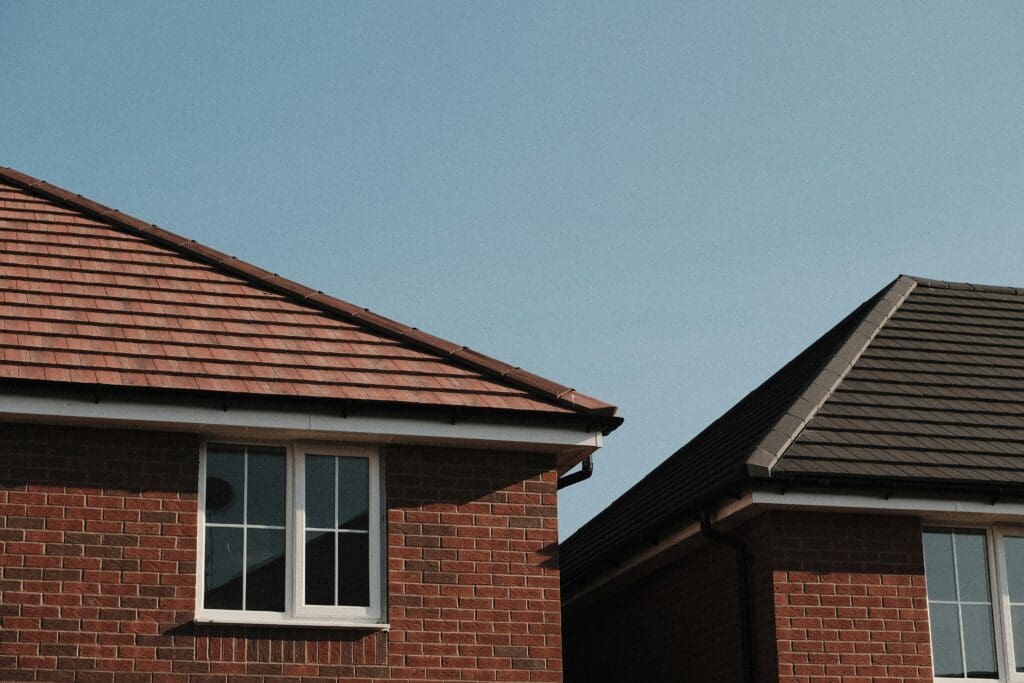
Several concealed roofing problems can allow water into a home without obvious damage to the tiles.
1. Deteriorated or Damaged Roof Underlayment
Underlayment deterioration is an important possibility when a tile roof leaks without visible tile damage.
Over time, some underlayment materials can become brittle, tear, lose their protective properties, or develop openings around fasteners and overlapping seams.
The condition depends on the material, installation quality, exposure, and roof history.
Because the tiles cover the underlayment, deterioration may remain hidden for years.
A homeowner might notice water stains on an interior ceiling while the tiles above that area still appear intact.
Replacing a few tiles would not necessarily solve the problem if the underlying water-resistant layer is compromised.
In some situations, a roofing contractor may need to carefully remove and reset tiles to access and repair the damaged underlayment.
2. Failed Flashing Around Roof Penetrations
Flashing is the material used to protect vulnerable roof intersections and openings.
Tile roofs commonly have flashing around chimneys, plumbing vents, skylights, and locations where the roof meets a wall.
If flashing becomes loose, corroded, damaged, or improperly integrated with the underlayment, rainwater can enter through the surrounding opening.
For example, a roof may leak near a chimney because the flashing has deteriorated, even though the surrounding tiles are undamaged.
Flashing problems can also occur when sealants age or roof components move with temperature changes.
Learn more about how to tell whether roof flashing is causing a leak.
3. Problems Around Skylights and Plumbing Vents
Skylights and plumbing vent pipes create openings that must be properly protected.
A skylight leak may originate from flashing, surrounding roofing materials, or the skylight assembly itself.
Similarly, water can enter around a plumbing vent when its flashing or related weatherproofing components fail.
These problems are especially confusing because the visible roof tiles may have nothing wrong with them.
If water appears near one of these features, the surrounding roofing details deserve attention.
Related resources include why roofs leak around skylights and what causes leaks around plumbing vent pipes.
4. Roof Valley and Drainage Problems
A roof valley is the area where two sloping roof sections meet.
Valleys collect water from adjoining roof surfaces and direct it toward the edge of the roof.
Because substantial amounts of rainwater may pass through these areas, proper flashing and drainage are especially important.
Leaves, dirt, and other debris can interfere with water movement. Damaged valley flashing or improperly installed materials may also allow water beneath the tiles.
The problem may not be visible from the ground.
Even if the tiles along the valley appear intact, the materials underneath may require professional evaluation.
5. Improper Installation or Underlayment Overlap
Roofing materials must be installed in the correct sequence so water flows over protective layers rather than behind them.
This principle is sometimes called shingle-style lapping.
If underlayment overlaps, flashing transitions, or other installation details are incorrect, water may find a path into the roof assembly.
A leak caused by an installation defect may remain unnoticed until a storm brings rain from a particular direction or exposes the roof to prolonged moisture.
The underlying problem can exist even when the tiles look new.
Why Does a Ceiling Water Stain Appear Far from the Roof Leak?
The location of an interior water stain does not always identify where water entered the roof.
Once rainwater passes through a vulnerable roofing detail, it can travel along the roof decking, framing, or other building materials before reaching the ceiling.
For example, water might enter near a plumbing vent higher on the roof and travel downslope before dripping into the attic.
The resulting ceiling stain could appear several feet away from the original opening.
This is why replacing tiles directly above a ceiling stain may not correct the leak.
A roofing professional needs to investigate the likely water path, not just the location where the damage becomes visible.
It is also important to recognize that not every ceiling stain comes from the roof. Plumbing leaks, condensation, and mechanical equipment can produce similar symptoms.
What Clues Can Help Identify a Hidden Tile Roof Leak?
You do not need to climb onto the roof to collect useful information.
The timing and location of a leak can help a roofing professional narrow down possible causes.
| What you notice | Possible explanation | What should be evaluated |
| Water appears only during wind-driven rain | Rain may be entering around a roof-to-wall intersection or other vulnerable detail | Flashing, underlayment transitions, and nearby penetrations |
| Stains develop after prolonged rainfall | Water may be passing through a deteriorated protective layer | Underlayment condition and drainage paths |
| A leak appears near a skylight | Flashing or skylight components may be compromised | Skylight assembly and surrounding roofing materials |
| Water appears near a plumbing vent | Vent flashing or nearby waterproofing may have failed | Pipe flashing and underlayment connections |
| Multiple stains appear over time | More than one opening or broader deterioration may exist | Overall roof condition and moisture pathways |
| A leak begins after a hailstorm | Impact or wind damage may have affected concealed details | Tiles, flashing, underlayment, and storm damage |
These observations provide clues, not a confirmed diagnosis.
For example, imagine two tile-roofed homes.
One leaks only when strong monsoon winds push rain against a roof-to-wall intersection. That pattern makes the flashing and adjoining waterproofing details worth examining.
Another develops recurring ceiling stains after ordinary rainfall, with no obvious broken tiles. A roofing contractor may need to investigate the condition of the underlayment across a broader area.
The same visible symptom can lead to different repair recommendations.
How Does a Roofing Professional Find a Hidden Tile Roof Leak?
A professional roof inspection should focus on the entire roofing assembly rather than assuming the visible tiles are responsible.
The inspection may begin with a discussion of when the leak occurs, where water appears indoors, and whether the problem began after a particular storm.
The roofing professional can then evaluate accessible areas of the roof for signs of damage.
Important inspection points include:
- Tile condition. Check for cracked, displaced, or improperly positioned tiles, including damage that may not be visible from the ground.
- Flashing. Examine roof-to-wall intersections, chimneys, skylights, and plumbing vents for possible openings.
- Valleys and drainage. Look for debris accumulation, damaged flashing, and water-flow problems.
- Underlayment. Determine whether concealed deterioration may be contributing to the leak. Limited tile removal may be necessary when justified.
- Interior evidence. Review ceiling stains, accessible attic areas, and other signs that may help trace water movement.
Not every inspection requires removing tiles. The extent of the investigation depends on the symptoms, roof configuration, and evidence of concealed damage.
For homeowners dealing with recurring water intrusion, professional roof leak repair in Albuquerque or roof leak repair in Santa Fe begins with understanding where the water is entering.
Can a Tile Roof Be Repaired Without Replacing All the Tiles?
Yes. Some tile roof leaks can be repaired without replacing the entire roof, but the appropriate solution depends on what is causing the leak.
If a leak originates from an isolated flashing defect, localized repairs may be sufficient.
A small area of damaged underlayment may also be repairable after a roofing professional carefully removes the necessary tiles and accesses the affected materials.
However, extensive underlayment deterioration can require a larger project.
In some cases, substantial portions of the existing tile roofing may need to be lifted so the underlayment can be replaced. Serviceable tiles may be suitable for reuse, depending on their condition, the roofing system, and applicable installation requirements.
Tile availability is another consideration. Older tile profiles or colors may be difficult to match, and some tiles may break during removal.
The important distinction is between replacing damaged waterproofing components and replacing the entire tile roofing system.
A roof inspection should establish which materials are failing before the homeowner commits to a repair or replacement.
How Do Albuquerque and Santa Fe Weather Conditions Affect Tile Roof Leaks?
New Mexico’s weather can expose weaknesses in tile roofing systems even when the tiles remain visually intact.
Strong Sunlight and Temperature Changes
Albuquerque and Santa Fe experience intense sunlight and substantial temperature variations.
Over time, exposure and movement can contribute to the aging of roofing components. The degree of deterioration depends on the material, installation, and conditions beneath the tiles.
A roof’s age alone does not prove that its underlayment has failed, but older systems with recurring leaks deserve careful evaluation.
Monsoon Rain and High Winds
Summer monsoon storms can bring heavy rainfall and strong winds.
Wind-driven rain may reach areas that remain relatively dry during ordinary rainfall, including roof-to-wall intersections and other vulnerable transitions.
If a leak occurs only during storms with strong winds, that pattern can provide a useful clue about where the water may be entering.
Hail, Snow, and Freezing Conditions
Hail can affect tiles, flashing, and other roofing components.
In Santa Fe and higher-elevation communities, winter snow and freezing conditions can create additional moisture-related challenges.
A roof may experience storm-related damage without developing an immediate interior leak. For that reason, homeowners may benefit from understanding when a roof inspection is appropriate after a hailstorm.
These weather conditions do not establish the cause of a particular leak. They help explain why a complete inspection matters.
When Should I Request a Tile Roof Inspection?
A professional inspection is appropriate whenever a tile roof develops an unexplained leak, even if the tiles appear undamaged.
Certain conditions deserve more prompt attention:
- Water is actively entering the home during rainfall.
- A ceiling stain is growing or recurring after storms.
- Water appears around a light fixture or other electrical component.
- Drywall is bulging, sagging, or showing signs of significant moisture.
- A leak has returned after previous repairs.
- The roof experienced a severe storm, and interior moisture has appeared.
If water is near electrical equipment, avoid the affected area and seek qualified assistance. A bulging or sagging ceiling may also present a falling-material hazard.
Do not walk on roof tiles or lift them yourself. Tile surfaces can be slippery or fragile, and improper access may cause additional damage.
Before the inspection, take photographs of accessible interior damage and record when the leak occurs. If it is safe, move belongings away from the affected area and collect dripping water.
Homeowners can arrange a professional Albuquerque roof inspection or Santa Fe roof inspection to investigate suspected roofing problems.
Frequently Asked Questions About Tile Roof Leaks
Does a Tile Roof Leak Always Mean the Underlayment Has Failed?
No. Although deteriorated underlayment is one possible cause, leaks can also originate from damaged flashing, roof penetrations, valleys, or installation defects.
A professional inspection is necessary to determine which components need attention.
Can Wind-Driven Rain Cause a Leak Even When the Tiles Are Intact?
Yes. Wind-driven rain may reach beneath or around roof tiles and enter through vulnerable flashing or underlayment details.
A properly functioning roofing system should account for expected weather exposure, but damaged or improperly installed components may allow water intrusion.
Should I Remove a Few Tiles to Find the Leak?
No. Removing tiles without the proper equipment and knowledge can create fall hazards, break roofing materials, and damage the underlayment.
A qualified roofing professional can determine whether tile removal is necessary and how to access the affected area safely.
Can a Tile Roof Leak Be Caused by Something Other Than Rain?
Yes. Condensation, plumbing problems, and certain mechanical equipment issues can create moisture stains that resemble roof leaks.
The timing of the water intrusion and a professional investigation can help distinguish between possible sources.
Schedule a Tile Roof Inspection in Albuquerque or Santa Fe
A tile roof can look perfectly normal while concealed waterproofing components allow rainwater into your home.
The solution may involve repairing flashing, correcting a roof penetration, replacing damaged underlayment, or addressing a more extensive roofing problem. The right recommendation depends on identifying the actual source and extent of the damage.
Rocky Mountain Roofing Services provides residential and commercial roof inspections, leak detection, tile roof repairs, and roof replacement services throughout Albuquerque, Santa Fe, and surrounding New Mexico communities.
With more than 35 years of combined roofing experience, the company emphasizes practical roof evaluations and recommendations based on each roofing system’s condition.
If your tile roof is leaking but the tiles look fine, arrange a professional inspection before the damage becomes more extensive.
Call Rocky Mountain Roofing Services at 505-717-1925 or request a roofing estimate. You can also contact the company online to discuss your roofing concerns.
Tile Roof Leak and Underlayment Disclaimer
The information in this article is provided for general educational purposes. Tile roofing systems vary in their construction, underlayment materials, installation requirements, expected service life, and warranty coverage. Manufacturer specifications and applicable local building codes may also differ depending on the roofing system, property location, and installation date. There is no single underlayment replacement schedule or repair method that applies to every tile roof. Homeowners should consult a qualified roofing professional and refer to the applicable tile and underlayment manufacturers’ current technical documentation, warranty requirements, and relevant Tile Roofing Industry Alliance guidelines before authorizing repairs or replacement. A professional roof inspection can help identify the source of a leak and determine the appropriate repair based on the roof’s actual condition.