How Should Facility Managers Document Commercial Roof Damage After a Storm?
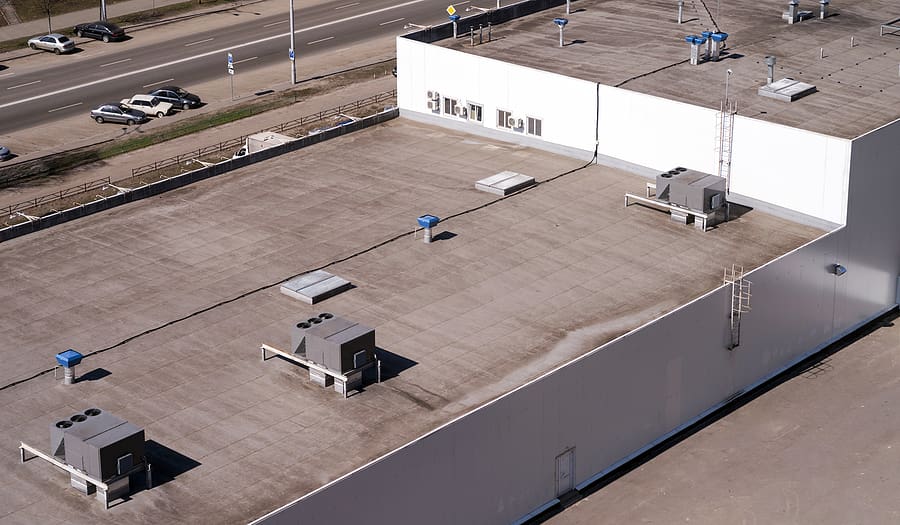
Facility managers should document commercial roof damage after a storm by recording the storm date and conditions, photographing visible damage from safe locations, mapping affected areas, preserving maintenance records, and arranging a professional roof inspection. Each observation should be dated, identified by location, and stored with the building’s maintenance records.
Good documentation does more than support a possible insurance claim. It helps roofing contractors understand what changed, allows property owners to evaluate repair recommendations, and creates a reliable record for future maintenance.
For commercial buildings in Albuquerque and Santa Fe, where hailstorms, high winds, and monsoon rainfall can affect large roofing areas, a consistent documentation process is particularly valuable.
The goal is to preserve accurate information without putting employees at risk or assuming that every visible defect was caused by the latest storm.
What Should Facility Managers Do Immediately After a Storm?
A facility manager’s first priority is protecting people and preventing additional property damage.
Before beginning a roof damage assessment, check for conditions that could make the building unsafe. These may include falling debris, exposed electrical equipment, damaged ceilings, significant water intrusion, or suspected structural problems.
If there is a potential structural or electrical hazard, restrict access to the affected area and involve appropriate emergency or qualified personnel.
Facility managers should not climb onto a storm-damaged roof simply to take photographs. Wet membranes, damaged decking, loose materials, and unprotected roof edges can create serious fall hazards. Roof access and inspection should be handled by appropriately trained personnel using required safety measures.
Once immediate hazards are addressed, begin recording what can be safely observed.
Record the Storm Event
Create a basic event record that includes:
- The date and approximate time of the storm
- The building name and address
- Reported weather conditions, such as hail, wind, or heavy rainfall
- When damage or water intrusion was first noticed
- The names of employees who reported problems
- Any immediate safety measures or temporary protective actions
Save available weather alerts and reports from the National Weather Service or other reliable weather sources.
Weather records can help establish when a storm occurred and what conditions were reported in the area. However, they do not independently prove that a particular roof defect resulted from that storm.
Document Interior Water Damage Before Conditions Change
Interior damage is often easier to observe safely than exterior roof damage.
Photograph ceiling stains, dripping water, damaged finishes, wet insulation visible from accessible areas, and affected equipment.
Record whether the condition was noticed during the storm, immediately afterward, or several days later.
For example, a facility manager might record:
“Water stain observed on ceiling tile near Warehouse Bay 3 at 9:15 a.m. following overnight rainfall.”
That statement is more useful than writing, “Hail punctured the roof above Bay 3,” unless a qualified inspection has established that cause.
If water is approaching electrical equipment, keep personnel clear and have the hazard evaluated by qualified personnel.
How Should Commercial Roof Damage Be Photographed and Mapped?
A photograph becomes more useful when someone reviewing it can identify exactly where it was taken.
A close-up image of a damaged roofing surface may show a defect clearly, but without location information, it can be difficult to connect that image to the correct roof section.
A repeatable photographic sequence helps prevent that problem.
Use an Overview-to-Detail Photo Sequence
For each accessible damage location, document the area in this order:
- Overview: Show the building elevation or roof section from a safe vantage point.
- Location reference: Include a recognizable feature, such as an HVAC unit, parapet, drain, or roof access structure.
- Medium view: Show the surrounding roofing materials and the apparent damaged area.
- Detail: Capture the specific condition closely, with a scale reference when appropriate and safe.
Exterior roof photographs requiring roof access should be taken by qualified personnel.
Keep the original, unedited image files. Cropped or annotated copies may be useful for reports, but the original images should remain available.
Where possible, retain the date, time, photographer’s name, and location information associated with each image.
Divide the Roof into Identifiable Zones
Large commercial roofs often contain several sections, multiple HVAC units, and numerous drainage features.
Instead of describing a problem as being “near the middle of the roof,” assign consistent location identifiers.
For example, a hypothetical warehouse could use:
- Roof Zone A — north section
- Roof Zone B — central section
- Roof Zone C — south section
Within each zone, individual locations might be identified as A1, A2, B1, or C3.
These identifiers can be marked on a building plan or a simple roof diagram.
The same system should be used for photographs, inspection findings, work orders, and repair records.
If a roofing contractor later identifies a damaged membrane seam at B3, the facility manager can connect that finding with earlier photographs and interior observations.
Match Interior Leak Locations to the Roof Map
Interior ceiling stains should also be identified on a floor plan.
This is especially helpful in commercial buildings with suspended ceiling grids, multiple tenants, or large warehouse spaces.
A leak appearing beneath one area of the building does not necessarily mean water entered directly above it. Moisture can travel through roofing materials or along structural components before becoming visible indoors.
For that reason, the interior and roof maps should be linked without assuming the locations correspond exactly.
For additional information about concealed moisture, see How Do I Know If My Commercial Roof Has Wet Insulation?.
What Records Belong in a Commercial Roof Storm-Damage Evidence Packet?
A useful storm-damage file should contain enough information for someone unfamiliar with the building to understand what happened, what was observed, and what actions followed.
Organize the documentation into five categories.
1. Storm event record
Date, approximate time, reported weather conditions, weather alerts, and the first reports of damage.
2. Building and roof location map
Identified roof zones, equipment locations, drains, penetrations, and corresponding interior leak locations.
3. Photographs and videos
Original files with dates, location identifiers, photographer information, and descriptions of visible conditions.
4. Professional inspection findings
Roofing contractor reports, identified defects, moisture assessments where appropriate, repair recommendations, and supporting photographs.
5. Mitigation, communications, and repair records
Emergency work orders, invoices, estimates, contractor correspondence, insurer communications, and completed repair documentation.
Use a Consistent Roof Damage Log
A spreadsheet or maintenance management system can help organize observations across multiple roof areas.
The following example illustrates how a facility manager might record conditions at a commercial property.
| Date and time | Location | Observation | Photo ID | Action or follow-up |
| July 18, 8:30 a.m. | Interior B3 | New ceiling stain reported | INT-B3-01 | Area photographed |
| July 18, 9:10 a.m. | Exterior Zone B | Debris visible near roof drain from safe location | EXT-B-02 | Roofing inspection requested |
| July 19, 1:00 p.m. | Roof Zone B3 | Membrane condition assessed by roofer | ROOF-B3-03 | Await written findings |
| July 19, 3:30 p.m. | Interior B3 | Temporary water protection installed | MIT-B3-01 | Follow-up assigned |
Illustrative entries only; not records from an actual Rocky Mountain Roofing Services project.
Each entry should also identify the person responsible for the observation or follow-up. A central log makes it easier to distinguish unresolved concerns from completed work.
Why Are Pre-Storm Inspection and Maintenance Records Important?
One of the most valuable documents after a storm may be an inspection report prepared before the storm occurred.
Previous photographs, roof condition reports, maintenance invoices, and repair records help establish what was already known about the roofing system.
Suppose a commercial roof has a deteriorated flashing detail documented six months before a hailstorm.
After the storm, water begins appearing near that same location.
The new leak deserves investigation, but the facility manager should not automatically attribute the entire problem to hail.
The previous report provides important context that can help a qualified roofing professional evaluate whether the condition was preexisting, worsened by the storm, or unrelated.
Likewise, a recent inspection showing a roof section in serviceable condition may be useful when comparing later findings.
The Albuquerque Commercial Roof Inspection Monsoon Guide provides additional context for evaluating commercial roofing systems around seasonal storms.
What If Several Storms Occur Before Repairs Are Completed?
Multiple storms can make damage attribution more complicated.
A facility manager should create a separate event record for each storm and document any new observations as they occur.
Avoid combining several incidents into a single statement such as “all damage occurred during the July storm” unless that conclusion is supported by the available evidence.
Keeping separate timelines helps roofing professionals, property owners, and insurers evaluate the sequence of events more accurately.
How Does a Professional Roofer Verify Commercial Roof Storm Damage?
Facility managers can document visible conditions, but determining the cause and extent of roofing damage generally requires a qualified roofing professional.
The inspection should account for the type of roofing system, its age, known maintenance history, and the conditions reported after the storm.
Roof Membranes, Seams, and Flashing
Commercial buildings in Albuquerque and Santa Fe may have TPO, PVC, modified bitumen, built-up roofing, spray foam, coatings, or metal roofing systems.
Each responds differently to hail, wind, and other weather conditions.
For example, hail may damage a TPO membrane through punctures or other functional deterioration. However, surface marks alone do not establish that the membrane has been compromised.
The article How Does Hail Damage a TPO Roof? explains the importance of evaluating the actual condition of the membrane.
Similarly, a professional inspection may identify damaged flashing around HVAC curbs, rooftop penetrations, or parapet walls.
These findings should be documented with locations, photographs, and descriptions that distinguish observed defects from conclusions about their cause.
Roof Drains and Water Accumulation
Heavy monsoon rainfall can reveal drainage problems that were not obvious during dry weather.
A roofing professional may inspect drains, scuppers, roof slopes, and areas where water accumulates.
Facility managers should record standing water or drainage concerns observed from safe locations, including how long the condition remains visible after rainfall.
Ponding water does not automatically prove storm damage or a defective roof. Its significance depends on the roofing system and the condition of the surrounding materials.
Concealed Moisture and Insulation Damage
A roof can have moisture beneath the membrane without obvious damage visible from the ground.
Professional moisture investigation may be appropriate when leaks, interior stains, or other findings suggest water has entered the roof assembly.
Infrared surveys and other diagnostic methods can be useful under suitable conditions, but their results may require confirmation.
A complete report should explain the observed conditions, inspection limitations, and any additional testing recommended.
For more information about the effects of storms on low-slope systems, see Does Hail Damage Affect Flat Roofs in Albuquerque?.
How Should Documentation Support Insurance Claims and Repair Decisions?
Accurate documentation can help an insurer review a reported loss and help contractors prepare repair recommendations.
However, photographs and storm records do not guarantee insurance coverage or establish that a storm caused every documented condition.
Coverage depends on the policy, cause of loss, exclusions, applicable requirements, and the insurer’s evaluation.
Facility managers should review their insurance policy and follow the insurer’s specific reporting and documentation instructions.
Separate Observations From Suspected Causes
This distinction is especially important when preparing reports for building owners or insurance representatives.
| Type of statement | Example | What it establishes |
| Observation | “Water stain observed at ceiling grid B3 on July 18.” | A visible condition was recorded |
| Suspected cause | “Possible water entry near rooftop HVAC flashing.” | A potential explanation requiring investigation |
| Professional finding | “Inspection identified an opening in flashing at the HVAC curb.” | A documented condition identified during an inspection |
Even a confirmed opening does not, by itself, establish when the opening developed or what caused it.
The facility manager should preserve the roofing contractor’s written findings rather than rewriting them into stronger conclusions.
Document Emergency Repairs and Water Mitigation
Some conditions require immediate action before an insurance adjuster can inspect the property.
For example, active water intrusion may threaten electrical equipment, inventory, or interior finishes.
Appropriate temporary protective measures may be necessary to reduce additional damage.
When emergency work is performed, retain available photographs of the conditions before work, records of the protective measures, invoices, material descriptions, and photographs afterward.
Keep any relevant removed materials when safe, practical, and consistent with insurer instructions.
Do not delay necessary safety measures solely to obtain more photographs.
At the same time, avoid making unnecessary permanent changes before the damage has been adequately assessed and documented.
Maintain a Complete Communication Record
Save emails, inspection appointments, claim correspondence, estimates, and repair approvals in the same project file.
Record the date of each communication, the person contacted, and any requested follow-up.
Where several contractors or departments are involved, identify one person responsible for maintaining the master record.
This helps prevent important information from becoming scattered across employee phones, email accounts, and maintenance systems.
What Are the Most Common Storm-Damage Documentation Mistakes?
Commercial roof documentation becomes less reliable when records are incomplete, inconsistent, or based on assumptions.
Common mistakes include photographing defects without identifying their locations, deleting original photographs after editing copies, and failing to preserve pre-storm inspection reports.
Another problem is waiting until several storms have passed before creating an incident timeline.
A delayed report may still be useful, but it can become more difficult to establish when a particular condition first appeared.
Facility managers should also avoid treating every roof stain, indentation, or leak as confirmed storm damage.
Some conditions may involve aging materials, previous repairs, equipment condensation, or other causes unrelated to the most recent weather event.
Finally, a documentation process should never encourage unsafe roof access.
A complete evidence file is valuable, but employee safety takes priority over obtaining additional photographs.
Frequently Asked Questions About Commercial Roof Storm Damage Documentation
How Soon Should a Commercial Roof Be Inspected After a Hailstorm?
Arrange an inspection as soon as practical once conditions are safe, especially when the building has active leaks or visible damage. The urgency depends on the severity of the storm, observed conditions, and potential risks to the property. Facility managers should also check applicable insurance and roofing warranty notification requirements.
What If Storm Damage Is Not Visible from the Ground?
A lack of visible damage does not confirm that the roof is undamaged. Commercial roofing membranes, seams, flashing, and insulation may require closer professional evaluation.
An inspection may be appropriate even when there are no immediate leaks. Learn more about whether a roof should be inspected after a hailstorm when it is not leaking.
Can Photographs Prove That Hail Damaged a Commercial Roof?
Photographs can document visible conditions, but they do not necessarily establish when damage occurred or what caused it. A qualified roofing assessment, maintenance history, and relevant weather information may help evaluate the cause and extent of the damage.
Who Should Keep the Original Roof Damage Photographs?
The property owner or designated facility management representative should maintain an organized copy of the original photographs and associated records. Contractors and insurers may receive copies as needed. Access should be managed according to the organization’s recordkeeping and security procedures.
What If the Building Has Several Roof Sections?
Use consistent identifiers for each roof section and maintain separate location references within the same overall incident file. This makes it easier to connect photographs, leak reports, inspection findings, and repairs to the correct areas.
Should Emergency Repairs Wait Until the Insurance Adjuster Arrives?
Not when delaying necessary action would create a safety hazard or allow avoidable damage to continue. Arrange appropriate protective measures, document the conditions when safely possible, and follow applicable policy and insurer instructions. Emergency work and permanent repairs may require different levels of coordination.
Schedule a Commercial Roof Storm Damage Inspection in Albuquerque or Santa Fe
After a severe storm, facility managers need more than photographs of damaged roofing materials. They need reliable information about the condition of the roofing system, the extent of water intrusion, and the repairs that may be necessary.
A well-organized documentation file helps establish a useful record of the building’s condition and supports informed decisions about maintenance, repairs, and potential insurance claims.
Rocky Mountain Roofing Services provides commercial roof inspections, storm damage assessments, leak detection, roof repairs, roof replacement, and preventative maintenance throughout Albuquerque, Santa Fe, and surrounding New Mexico communities.
With more than 35 years of combined roofing experience, the company works with TPO, PVC, modified bitumen, built-up roofing, spray foam, and other commercial roofing systems.
If your commercial property has experienced hail, high winds, or severe rainfall, contact Rocky Mountain Roofing Services to discuss a professional roof evaluation.
Call (505) 717-1925 or request a commercial roof evaluation.