
Can Wind Damage a Roof Without Blowing Off Material?
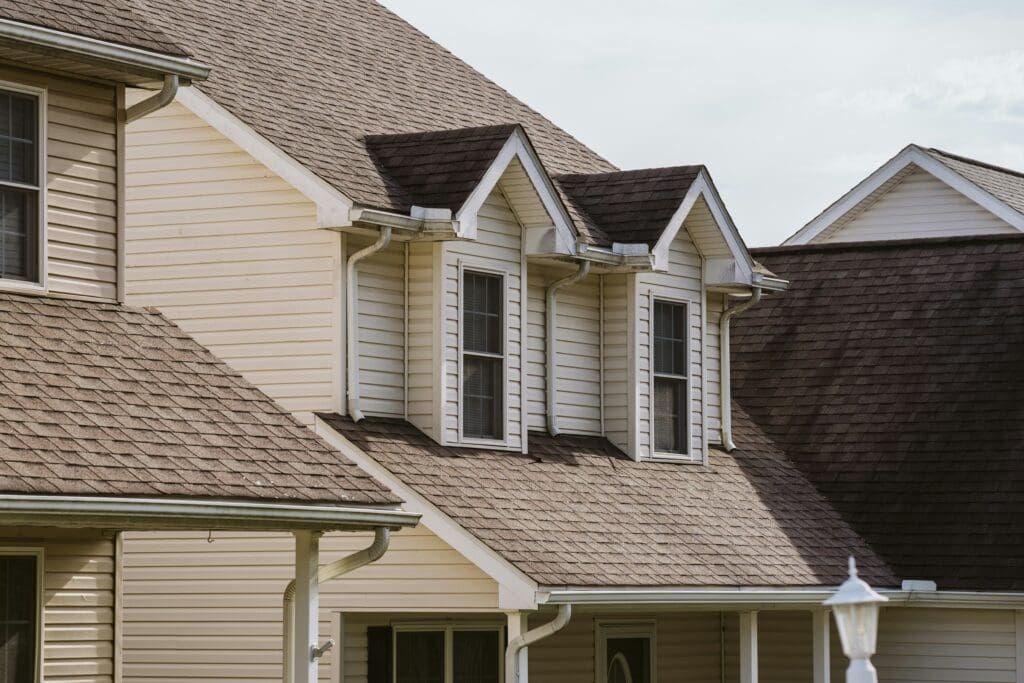
Yes. Wind can damage a roof without blowing off shingles, metal panels, flashing, or other roofing materials. Strong winds can weaken attachment points, loosen seams, lift roof edges, and damage seals while leaving the roofing material in place.
For homeowners in Albuquerque and Santa Fe, this means a roof can appear undamaged from the ground even when certain areas have become more vulnerable to leaks.
However, strong winds do not automatically mean a roof has been damaged. Understanding how wind affects different roofing systems can help you recognize warning signs and decide when a professional roof inspection is necessary.
How Wind Can Damage a Roof Without Removing Material
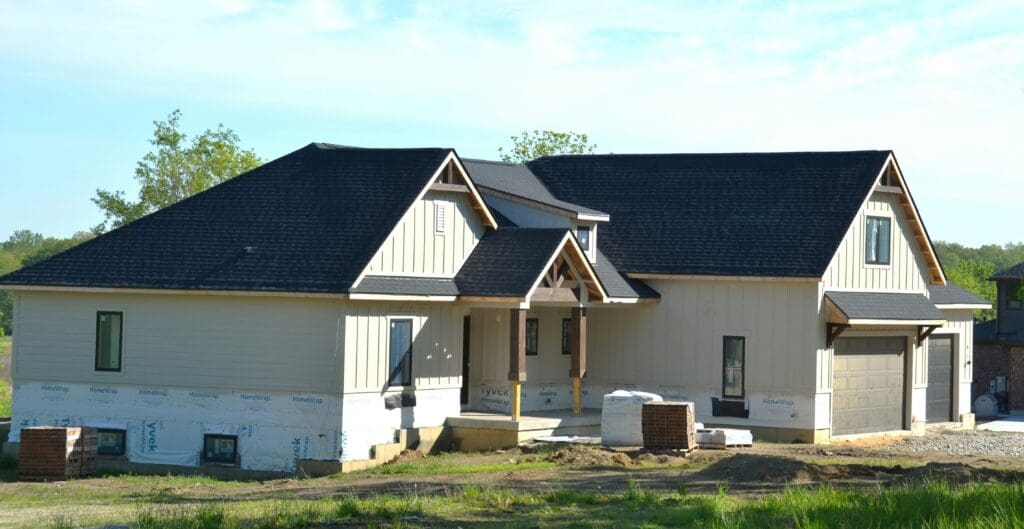
Wind doesn’t have to tear roofing materials away to affect their ability to protect a building. As air moves across a roof, pressure differences can create an upward force known as wind uplift.
This force can stress the materials and connections that hold the roofing system in place.
Wind Uplift Can Weaken Roofing Attachments

Roofing materials are designed to resist wind forces, but their performance depends on proper installation, secure attachment, and the condition of the existing materials.
During strong winds, uplift forces can place additional stress on fasteners, adhesives, and other attachment points.
Possible damage includes:
- Loosened fasteners securing roofing materials.
- Shingles that lift and settle back into place.
- Roofing membranes that separate from their attachment points.
- Metal roof edges or trim that become partially unsecured.
- Flashing that shifts or separates from adjoining surfaces.
The material may remain on the roof, but its ability to resist future wind and rain can be reduced.
Wind Can Damage Seams, Seals, and Flashing
A roof relies on more than its visible surface to keep water out.
Seams connect sections of roofing material. Flashing protects vulnerable areas around vents, skylights, walls, and other roof penetrations.
When wind places repeated stress on these components, existing weaknesses may become worse.
For example, a partially loosened roof edge may remain in position after a storm. However, wind-driven rain during a later storm could reach an opening that was previously sealed.
A roof does not need a large hole or missing section of material for water intrusion to become possible.
What Hidden Wind Damage Looks Like on Different Roof Types

Not every roofing system responds to wind in the same way. This is particularly important in New Mexico, where residential and commercial buildings use several different roofing materials.
Asphalt Shingle Roofs
Wind can lift asphalt shingles without completely removing them.
Depending on the shingle design and condition, this movement may damage the adhesive seal that helps keep the shingle in place.
Repeated lifting can also create creases or cracks in the shingle material.
Once the wind subsides, the shingle may settle back into its original position, making the damage difficult to recognize from the ground.
A homeowner might notice an uneven section of shingles or a raised edge. However, a professional inspection may be necessary to determine whether the shingles are damaged or simply showing normal wear.
Flat and Low-Slope Roofs
Flat and low-slope roofing systems are common roof types on the roofs of homes and commercial buildings throughout Albuquerque and Santa Fe.
These roofs often have large continuous surfaces, making secure seams, perimeter attachments, and flashing especially important.
TPO and Other Single-Ply Roofing Membranes
TPO roofing uses a flexible membrane with joined seams to create a weather-resistant surface.
Strong winds can place stress on membrane attachment points, perimeter securement, and flashing.
If a vulnerable section becomes loose, the membrane may move or billow under wind pressure without tearing completely away.
A seam can also become compromised without creating an obvious opening visible from the ground.
Can flat-roof seams loosen without tearing? Yes. Wind uplift can stress a seam or its surrounding attachments without producing a large visible tear. Whether the seam has separated or lost its ability to resist water intrusion requires inspection.
Modified Bitumen and Built-Up Roofing
Modified bitumen and built-up roofing systems may experience wind-related stress at edges, seams, flashing, or areas where the roofing material is not securely bonded.
Existing blisters, deteriorated seams, or loose perimeter details can make certain sections more vulnerable.
However, a blister or raised area does not automatically indicate wind damage. Heat, moisture, installation conditions, and normal deterioration may also contribute.
Foam Roofs and Roof Coatings
Spray polyurethane foam roofs typically have a protective coating that shields the foam from sunlight and weather.
Wind may affect exposed edges, flashing, or previously deteriorated coating areas. Windblown debris can also damage the protective surface.
Unlike a mechanically attached membrane, an adhered foam roof does not normally lift and settle in the same manner as loose shingles.
Cracking, peeling, or coating deterioration should therefore be evaluated according to the roofing system rather than automatically attributed to wind.
Metal Roofs
Metal roofing systems depend on secure panels, seams, fasteners, and perimeter trim.
Strong winds can stress these connections without removing an entire panel.
Possible concerns include loosened edge trim, displaced flashing, and movement around fasteners or panel connections.
Some metal roofs also experience normal expansion and contraction as temperatures change.
A raised or uneven area is not necessarily evidence of storm damage. Its cause depends on the roof design, installation, and condition.
What Can You Safely Check After High Winds?
After a strong windstorm in Albuquerque or Santa Fe, start with a visual inspection from the ground.
Do not climb onto the roof, especially if you suspect loose materials, damaged flashing, or unstable roof edges.
Look for changes that were not present before the storm.
| What to check | What you might notice | Why it matters |
| Roof edges | Metal trim appears raised, bent, or shifted | Perimeter attachments may need inspection |
| Shingles | Uneven rows, raised corners, or visible creases | Shingle seals or material may be compromised |
| Flat roof surfaces | Unusual raised areas visible from a safe location | Membrane or attachment conditions may have changed |
| Flashing | Metal appears displaced around walls or roof penetrations | Openings may allow water intrusion |
| Interior ceilings | New stains, damp spots, or bubbling paint | Moisture may be entering the building |
| Attic, if safely accessible | New dampness or water staining | Water may have entered beneath the roof covering |
These observations are reasons to investigate, not proof that wind caused the damage.
Take photographs of anything unusual and note when you first notice it.
For additional safety information during severe weather, consult the National Weather Service, which provides official forecasts, warnings, and weather safety guidance.
When Should You Schedule a Roof Inspection After High Winds?
A professional roof inspection is worth considering when strong winds are followed by visible changes, new interior moisture, or signs that roofing components have shifted.
An inspection is especially important when:
- A roof edge or flashing appears loose.
- Shingles look lifted, creased, or uneven.
- A flat roof membrane appears to have moved.
- Water stains develop after a windstorm.
- Debris has struck the roof or rooftop equipment.
- A previous roof repair area appears to have changed.
A roof can also deserve closer attention when it is older or has known maintenance issues, even if the storm did not produce obvious damage.
For example, imagine a homeowner in Santa Fe notices that no roofing material blew into the yard during a windy afternoon. Two days later, a new stain appears on the ceiling, and a section of roof-edge metal looks slightly displaced.
Neither observation proves wind damage. Together, however, they provide a reasonable basis for professional roof assessment.
A qualified roofing contractor can examine the roofing system, document relevant conditions, and determine whether repair is needed.
What If Nothing Looks Damaged?
If no materials are missing, there are no new leaks, and nothing appears to have shifted, an emergency inspection may not be necessary.
Continue monitoring the roof and maintain a regular inspection schedule.
A professional assessment may still be worthwhile after unusually severe winds, particularly for older roofing systems or buildings with a history of leaks.
Could the Damage Be Normal Wear Instead of Wind Damage?
Yes. Some roofing problems that become noticeable after a storm may have developed long before the wind arrived.
New Mexico roofing systems experience intense sunlight, temperature changes, seasonal storms, and long periods of dry weather.
Over time, these conditions can contribute to aging and deterioration.
For example:
- Shingle seals may weaken as roofing materials age.
- Roof coatings can crack or wear down from weather exposure.
- Flashing can loosen because of thermal movement or installation problems.
- Membrane seams may deteriorate because of age or previous repairs.
- Moisture trapped beneath roofing materials can cause raised areas or blisters.
The timing of a discovery does not necessarily establish the cause.
A professional inspection should consider the roof’s condition, installation, maintenance history, and available evidence before identifying damage as storm related.
This distinction is also important when documenting damage for an insurance claim. Coverage depends on the policy, the circumstances, and the insurer’s determination.
What Should You Do If You Discover a Roof Leak After High Winds?
A leak that appears after a windstorm should be addressed promptly, even if the roofing material looks intact.
Water may enter through a compromised seam, flashing connection, roof penetration, or another vulnerable area.
It can then travel beneath roofing materials or through building cavities before becoming visible indoors.
The location of a ceiling stain may not be directly below the roof opening.
If you notice active leaking:
- Move belongings away from the affected area if it is safe.
- Photograph visible damage and record when the leak began.
- Avoid electrical fixtures, outlets, or equipment near the water.
- Stay clear of sagging ceilings or areas that appear structurally unsafe.
- Contact a roofing professional to identify the source and recommend repairs.
Do not attempt rooftop repairs during strong winds, rain, or other hazardous conditions.
For information about wind-resistant roofing practices, the Federal Emergency Management Agency (FEMA) provides building guidance addressing roof coverings, attachments, and other components that help buildings resist severe weather.
Frequently Asked Questions About Hidden Roof Wind Damage
Can Wind Damage Roof Flashing Without Removing It?
Yes. Wind can loosen or shift flashing around roof edges, walls, vents, and other penetrations without completely detaching it. Even a small change in the flashing’s position can affect its ability to keep water out.
Can a Roof Start Leaking Days After a Windstorm?
Yes. Wind may compromise a vulnerable roof component without immediately causing a noticeable leak. Water intrusion might not become apparent until the next rainstorm, and moisture can take time to reach an interior ceiling or wall.
Does a Roof Need Missing Shingles to Qualify as Wind-Damaged?
No. Missing shingles are one possible sign of wind damage, but shingles can also be creased, loosened, or have damaged seals while remaining attached. The condition and cause must be evaluated before concluding that the roof sustained wind damage.
Should I File an Insurance Claim If No Roofing Material Is Missing?
Not necessarily. Missing material is not required for a potentially covered loss, but wind exposure alone does not establish damage or coverage. Document any concerns, obtain a professional assessment when appropriate, and review your insurance policy before deciding whether to submit a claim.
Request a Roof Inspection in Albuquerque or Santa Fe

Strong winds can affect a roofing system without leaving missing shingles, torn membranes, or scattered debris behind.
The important question is whether the roof’s seams, attachments, flashing, and other protective components remain secure.
Rocky Mountain Roofing Services provides residential and commercial roof inspections, storm damage assessments, roof repairs, and flat roofing services throughout Albuquerque, Santa Fe, and surrounding New Mexico communities.
If you have noticed changes after high winds or are concerned about hidden roof damage, contact Rocky Mountain Roofing Services to discuss a professional roof assessment. Call 505-717-1925 or visit rockymountainrfg.com to request roofing assistance