How Long Does a Metal Roof Last in New Mexico?
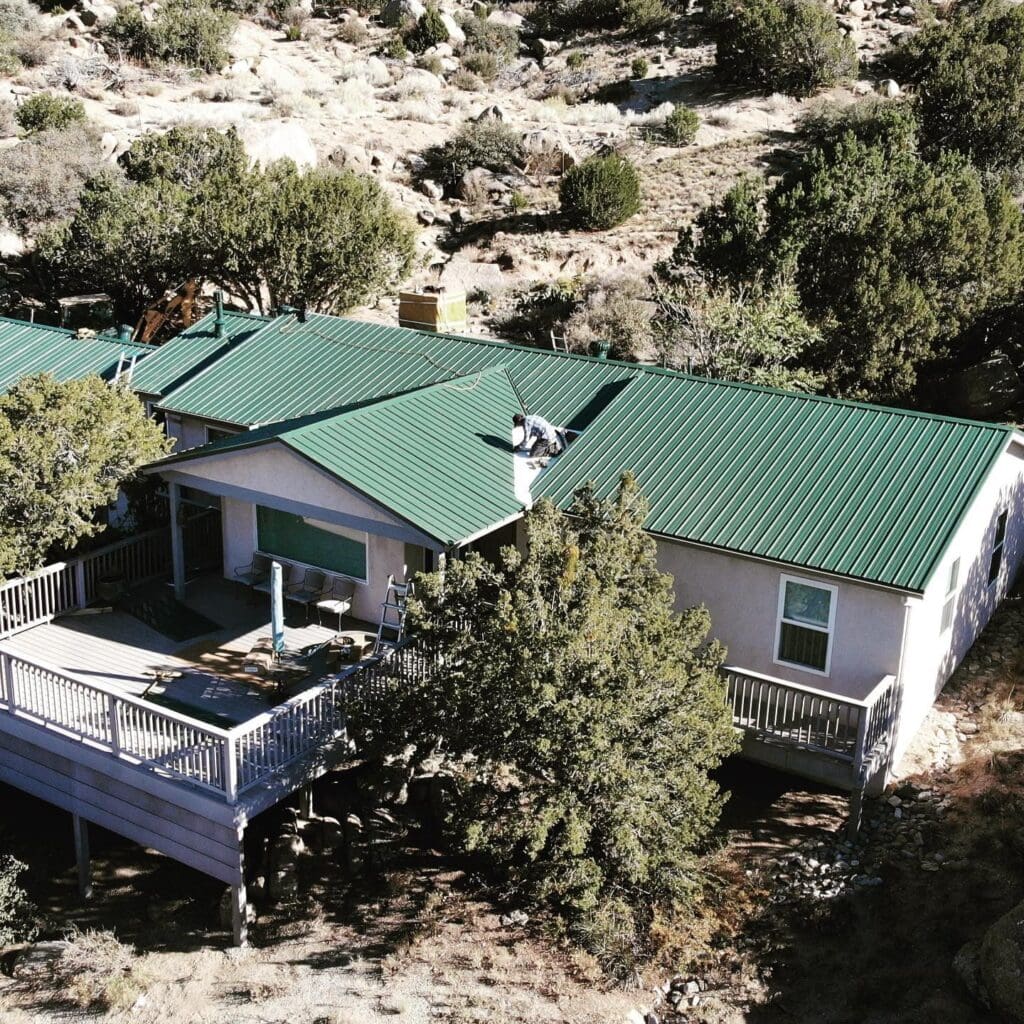
A properly installed and maintained metal roof can last several decades in New Mexico, with some systems capable of providing 40 to 70 years of service under favorable conditions. Actual lifespan depends on the metal, panel design, protective coating, installation quality, weather exposure, and maintenance.
Standing-seam metal roofs generally have fewer exposed fastening points than exposed-fastener systems, which can reduce certain maintenance concerns. However, even a durable metal roof can develop leaks when flashing, sealants, fasteners, or other components deteriorate.
For homeowners and commercial property owners in Albuquerque and Santa Fe, the most useful question is not simply how old the metal roof is. It is whether the entire roofing system remains capable of protecting the building.
How Long Does a Metal Roof Last in New Mexico?
Metal roofing is known for its durability, but different systems have different service-life expectations.
A well-designed standing-seam roof with durable panels, appropriate coatings, and properly installed flashing may remain serviceable for many decades.
Exposed-fastener metal roofs can also provide long-term protection, although their fastener washers and other exposed components may require more frequent attention.
The often-cited 40-to-70-year range is a broad industry estimate associated with certain metal roofing systems. It is not a guaranteed lifespan for every metal roof installed in New Mexico.
The expected service life of an individual roof depends on its material specifications, installation details, maintenance history, and exposure.
A roof that is 25 years old may remain in excellent condition, while a younger roof with installation defects or extensive storm damage may already require significant repairs.
This is why professional roof inspections are more useful than relying on age alone.
Standing-Seam vs. Exposed-Fastener Metal Roofs
One of the most important factors affecting metal roof longevity is how the panels are attached to the building.
Standing-Seam Metal Roofing
Standing-seam roofing uses raised seams that connect adjacent metal panels. Many standing-seam systems conceal the primary fasteners beneath the panels or within the seam assembly.
This design reduces the number of exposed screw penetrations across the roof surface.
Some standing-seam systems also use clips that accommodate thermal movement as the panels expand and contract.
These features can contribute to long-term performance when the system is properly designed and installed.
However, standing-seam roofs are not maintenance-free. Flashing, sealants, penetrations, and panel connections still require inspection.
Exposed-Fastener Metal Roofing
Exposed-fastener systems typically secure metal panels with screws installed through the panel surface.
Many of these screws use washers or gaskets to help seal the penetrations.
Over time, weather exposure, movement, and material aging can affect these components.
A deteriorated washer may allow water to enter around a screw even when the surrounding metal panel remains in good condition.
Loose or improperly installed fasteners can create similar problems.
The condition of these fasteners is particularly important when evaluating an aging exposed-fastener roof.
How the Two Systems Compare
| Roofing feature | Standing-seam metal roof | Exposed-fastener metal roof |
| Fastener placement | Typically concealed within the system | Screws commonly penetrate the exposed panel surface |
| Common maintenance concerns | Seams, flashing, coatings, penetrations | Fastener washers, loose screws, flashing, coatings |
| Thermal movement | Some systems use clips designed to accommodate movement | Movement must be managed through panel and fastening design |
| Leak vulnerability | Improper seams, penetrations, or flashing | Fastener penetrations, panel laps, or flashing |
| Long-term performance | Can provide decades of service with proper installation and maintenance | Can also provide long service, but exposed fasteners may need additional attention |
Neither system should be judged by its fastening method alone.
Panel thickness, metal type, protective coating, roof slope, installation quality, and local weather conditions all affect performance.
For New Mexico property owners considering a new system, understanding these differences is an important part of selecting the appropriate metal roofing design.
What Shortens the Life of a Metal Roof in New Mexico?
New Mexico’s climate creates several challenges for metal roofing. The severity of those conditions varies between Albuquerque, Santa Fe, and higher-elevation communities.
Intense Sunlight and Temperature Changes
Metal roofs in Albuquerque and Santa Fe receive substantial solar exposure.
During sunny weather, metal panels can become considerably warmer than the surrounding air. Temperatures may then fall rapidly after sunset.
This repeated heating and cooling causes the metal to expand and contract.
Metal roofing systems are designed to accommodate thermal movement, but improper installation can place additional stress on seams, fasteners, and flashing.
Protective coatings also experience prolonged ultraviolet exposure.
Over time, some finishes may fade, chalk, or deteriorate. The rate of deterioration depends on the coating formulation, environmental conditions, and maintenance.
A change in color does not automatically mean the roof has failed. However, coating damage that exposes vulnerable metal may increase the risk of corrosion.
Hailstorms and Wind Damage
Hail can dent metal panels, damage coatings, and affect roof accessories.
Not every dent compromises a metal roof’s ability to shed water.
Some hail damage is primarily cosmetic, while other impacts can puncture panels, damage seams, displace flashing, or expose the underlying metal.
The distinction matters when deciding whether a roof needs repair or replacement.
High winds can also stress improperly secured panels, flashing, and edge details.
After a significant storm, the absence of an interior leak does not necessarily mean the roof escaped damage.
Our article, Should I Have My Roof Inspected After a Hailstorm Even If It Is Not Leaking?, explains why storm-related roof damage can remain unnoticed.
Snow and Ice in Higher Elevations
Santa Fe and other higher-elevation New Mexico communities can experience colder temperatures and more snow than many parts of Albuquerque.
Snow accumulation, ice, and repeated freezing and thawing can affect roof drainage and flashing details.
Metal roofs must be designed for the building’s location, roof slope, and applicable structural loads.
In areas where snow can slide from metal panels, appropriate snow-retention measures may also be necessary to protect people and property below.
Corrosion and Protective Coating Damage
Metal roofing materials differ in their resistance to corrosion.
Galvanized steel, Galvalume-coated steel, aluminum, copper, and other metals have different properties and installation requirements.
The protective finish is an important part of the roof’s durability.
Scratches, cut edges, incompatible metals, trapped moisture, or damaged coatings can create conditions that contribute to corrosion.
New Mexico’s relatively dry climate may reduce some moisture-related risks, but it does not eliminate corrosion.
Standing water, poor drainage, and moisture trapped beneath debris can still damage vulnerable areas.
Which Parts of a Metal Roof Wear Out First?
One of the most overlooked facts about metal roof longevity is that the panels can remain serviceable long after other roofing components need repair or replacement.
A metal roof is more than its visible surface.
It includes flashing, fasteners, sealants, underlayment, penetrations, and the supporting roof structure.
These components do not necessarily age at the same rate.
Fasteners and Sealing Washers
Exposed fasteners deserve particular attention because they create penetrations through the metal panels.
Their washers may deteriorate, loosen, or lose sealing effectiveness.
A roof with sound panels but widespread fastener problems may require targeted maintenance or a more extensive fastening-system repair.
Flashing Around Roof Penetrations
Flashing protects areas where roofing meets another building component.
Common locations include chimneys, skylights, plumbing vents, walls, and mechanical equipment.
These transitions are vulnerable because they involve changes in materials, movement, and water flow.
A failed flashing detail can allow water into the building even when the metal panels themselves remain intact.
Learn more in How Can I Tell If Roof Flashing Is Causing a Leak?.
Sealants and Panel Connections
Some metal roofing details depend on sealants, gaskets, or specialized connections.
These materials can deteriorate with age and weather exposure.
Improperly installed seams or laps may also allow water to enter, particularly during wind-driven rain.
Underlayment and Roof Decking
Underlayment provides an additional layer of protection beneath the metal panels.
Its performance depends on the product, installation, temperature exposure, and moisture conditions.
If water enters through a failed roof detail, the underlying decking and structural components may eventually deteriorate.
This is why a metal roof inspection should evaluate more than the visible panel surface.
How Can You Tell Whether a Metal Roof Needs Repair or Replacement?
A metal roof does not automatically require replacement when it develops its first leak.
The decision depends on the extent of the damage, the condition of the remaining system, and whether a repair can restore dependable weather protection.
| Roof condition | What it may indicate | Appropriate next step |
| Isolated loose fasteners | Localized fastening problem | Inspect and repair according to system requirements |
| Deteriorated penetration flashing | Potential leak entry point | Evaluate flashing repair or replacement |
| Minor hail dents without coating or seam damage | Possible cosmetic damage | Document and assess before deciding on repairs |
| Widespread failed fastener washers | Aging exposed-fastener system | Evaluate the extent and practicality of corrective work |
| Rust or coating deterioration | Possible loss of corrosion protection | Determine severity and whether restoration is suitable |
| Separated seams or punctured panels | Compromised weather protection | Arrange professional repair assessment |
| Repeated leaks and extensive deterioration | Multiple roofing-system failures | Compare repair, restoration, and replacement options |
Consider a hypothetical 20-year-old standing-seam roof.
Its panels remain sound, but flashing around a roof penetration has deteriorated.
If the damage is localized and the surrounding system is in good condition, replacing the affected flashing may be more appropriate than replacing the entire roof.
Now consider a younger exposed-fastener roof with widespread washer deterioration, recurring leaks, and damaged panel connections.
Although it is newer, the extent of its problems may justify a more comprehensive repair or replacement evaluation.
The age of the roof is only one part of the decision.
How Can You Extend the Life of a Metal Roof?
Preventative maintenance helps identify developing problems before they cause extensive damage.
Schedule Periodic Roof Inspections
A professional roof inspection can identify loose fasteners, deteriorated sealants, coating damage, corrosion, and flashing problems.
Annual inspections are a practical maintenance approach for many properties, although manufacturer requirements and building conditions may call for a different schedule.
Additional inspections may be appropriate after significant hailstorms, high winds, or other severe weather.
Address Small Problems Promptly
A damaged flashing detail or loose fastener may initially affect only a small area.
If water enters the roofing system, the resulting damage can extend beyond the original problem.
Timely repairs can help prevent deterioration of underlayment, insulation, and decking.
Keep Drainage Areas Clear
Leaves, branches, and other debris can interfere with gutters and drainage paths.
Debris may also retain moisture against metal surfaces.
Keeping drainage components clear helps water move away from the roof as intended.
Maintain Protective Coatings
Some metal roofing systems may be candidates for recoating or restoration when their protective finish deteriorates.
However, recoating is not appropriate for every metal roof.
The existing coating, surface condition, corrosion, adhesion requirements, and manufacturer’s instructions must be evaluated before selecting a restoration product.
Applying a coating over rust, loose material, or unresolved leaks may conceal problems rather than correct them.
Avoid Unnecessary Roof Traffic
Walking on a metal roof can be hazardous, particularly when surfaces are wet, steep, or damaged.
Improper foot placement can also dent certain panels or affect seams.
Homeowners should not climb onto a roof to inspect hail damage or attempt repairs without suitable training and fall protection.
Professional roofing inspections are the safer option when roof access is required.
Does a Metal Roof Warranty Guarantee Its Lifespan?
No. A metal roofing warranty does not guarantee that the entire roof will remain problem-free for the stated warranty period.
Different warranties may cover different aspects of the system.
A paint-finish warranty may address certain coating defects, while a substrate warranty may cover specified material failures.
Workmanship warranties generally concern installation-related issues and are separate from manufacturer material warranties.
Coverage can also depend on maintenance, installation compliance, exclusions, and the type of damage involved.
Hail damage, for example, may be treated differently depending on whether it is cosmetic or affects the roof’s performance.
Before purchasing a new metal roof, review the actual warranty documents for the proposed system.
Pay particular attention to what is covered, what is excluded, and which maintenance obligations apply.
The Metal Construction Association and Metal Roofing Alliance provide additional industry information about metal roofing materials and systems.
Frequently Asked Questions About Metal Roof Lifespan
Does Standing-Seam Roofing Last Longer Than Exposed-Fastener Roofing?
Standing-seam roofing can offer long-term maintenance advantages because many systems conceal their primary fasteners.
Exposed-fastener roofs may require additional attention to washers and screw penetrations.
However, actual lifespan depends on the complete system, installation quality, and maintenance. The fastening method alone does not determine how long a roof will last.
Do Hail Dents Shorten the Life of a Metal Roof?
Not necessarily.
Shallow dents that do not damage the protective coating, seams, or panels may be primarily cosmetic.
Punctures, coating breaches, displaced flashing, and damaged seams are more serious because they can compromise weather protection.
A professional inspection can help distinguish these conditions.
Does New Mexico Heat Damage Metal Roofing?
Heat alone does not mean a properly designed metal roof will fail prematurely.
Metal roofing systems are designed to withstand temperature changes, but repeated expansion and contraction can stress improperly installed fasteners, seams, and flashing.
Coating quality and installation details are important to long-term performance.
Can an Older Metal Roof Be Recoated?
Some metal roofs can be recoated when their panels remain structurally sound and the existing surface is suitable for restoration.
Recoating cannot correct extensive corrosion, severely damaged panels, or unresolved installation problems.
A roof assessment should determine whether restoration is appropriate.
Does Rust Mean a Metal Roof Must Be Replaced?
Not always.
Localized surface corrosion may be repairable, depending on its severity and the metal roofing system.
Extensive corrosion, perforations, or significant loss of panel strength may make replacement necessary.
How Often Should a Metal Roof Be Inspected?
Annual professional inspections are a reasonable starting point for many metal roofs.
The appropriate schedule may change based on roof age, system type, maintenance requirements, and storm exposure.
An additional inspection is advisable when significant weather damage is suspected.
Metal Roof Inspections in Albuquerque and Santa Fe
Metal roofing can provide decades of reliable weather protection, but long-term performance depends on more than the durability of the panels.
Fasteners, flashing, protective coatings, drainage, and installation quality all affect the condition of the roofing system.
Rocky Mountain Roofing Services provides residential and commercial roofing services throughout Albuquerque, Santa Fe, and surrounding New Mexico communities.
With more than 35 years of combined roofing experience, the company offers roof inspections, repairs, replacement, metal roofing, and preventative maintenance services.
Whether your metal roof is showing signs of age, has developed a leak, or has been exposed to a recent hailstorm, understanding its current condition is the first step toward deciding what work is necessary.
Contact Rocky Mountain Roofing Services at (505) 717-1925 or visit rockymountainrfg.com to discuss your metal roof and request a professional roofing assessment.
A metal roof’s age can help guide maintenance planning, but its actual condition determines whether repair, restoration, or replacement is the right choice.