
Does Hail Damage Affect Flat Roofs in Albuquerque?
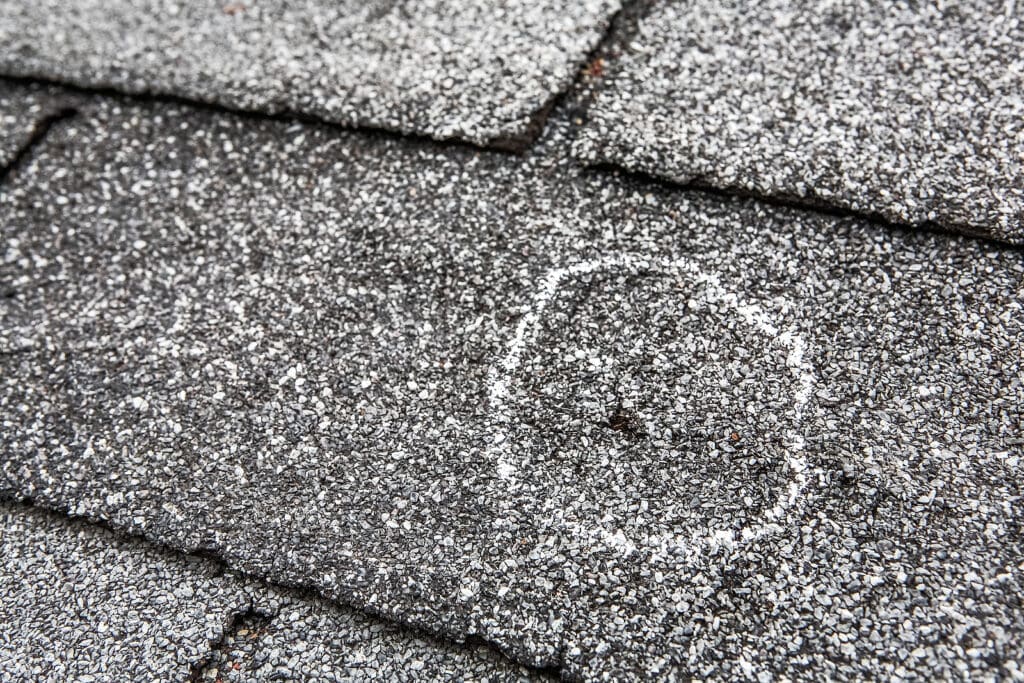
If you have been hit by hail in Albuquerque, you might be SHOCKED by how much damage has occurred to your roof, not merely how many minor indentations there are or the odd temporary markers. These minor indentations and temporary markers contribute to making your entire roof “protected,” which protects your house from leaking through the roof system covering your house or causing future storm-related problems.
In fact, one of Albuquerque’s most common types of roofing problems is also one of the most commonly underestimated types of roofing problems. If you have suffered from hail damage to your roof, you should contact a professional for a free consultation regarding the damage as soon as you possibly can.
Rocky Mountain Roofing Services specializes in repairing hail damage in Albuquerque, Corrales, Placitas, the eastern mountains of New Mexico (including Edgewood), Rio Rancho, Santa Fe, Los Alamos, and Eldorado, NM. We know what the weather in New Mexico can be like and have been providing hail repair services to homeowners across all types of roofing systems in our region for many years.
What you need to know about hail damage to your New Mexico home
Hail does not always have to be large in order to cause a lot of trouble. Smaller hail produced by a New Mexico monsoon storm could be slammed into your roof by extremely high winds, resulting in damage as severe as larger hail. Many factors affect the amount of damage that occurs because of hail storms; this includes the size and density of the hail that fell, how fast the wind was blowing during the storm, the age of the roof, and what type of roofing system you have installed on your house.
Hail is often difficult to see on roofs from the ground. For example, your roof may have visible hail damage from dents or cracking, but your roof may also have other types of damage from hail, e.g., some of your granules were knocked off the roof or bruised in the process of hitting the roof. However, all of these issues weaken the roof over time. Without having an experienced roofing professional who can identify the problems caused by hail damage early on, most hail damage will likely go unnoticed for extended periods of time and result in water leaking into the house and costly repairs.
Hail damage and how it varies by types of roofing systems
Hail hitting a roof constructed of different types of roofing systems will do very different amounts of damage depending upon the type of roofing system used. Understanding how to construct your roof will help you have reasonable expectations about how your roof will be inspected and whether and how your roof will be repaired.
Asphalt shingles
Besides flat roof systems, asphalt shingles are the roofing system most susceptible to hail damage on homes in New Mexico. Hail hitting an asphalt shingle roof creates a number of different issues. For example, hail could knock off granules exposed to the elements, making the shingles more vulnerable to deterioration from sunlight. Therefore, even if the hail does not remove any granules plus you develop cracks and soft spots where the mat has bruised, this could create future water leaks.
Spanish tiles
Large tile roofs are very prominent in southwestern-style homes in New Mexico, and tiles can break and crack when slammed by hail. However, if there is no hail damage to your tiles when a hailstorm occurs, the tiles will continue to meet their intended purpose – providing a durable roof; if there is hail damage from a hailstorm in the greater Albuquerque area, then the hail can crack tiles and allow water to pass through those cracks into the house.
Metal roofs
Metal roofing (Pro Panel roofing) holds up well to most hail impacts without causing damage to the roof structure. The only concern regarding hail damage to a metal roof is that hail could result in some cosmetic damage to the roofing panel (i.e., dents), while significant hail caused during an extreme hailstorm could occur with some damage to the panel seams or fasteners. Metal roofs are excellent since hail will normally not generate enough structural damage for leaks.
Foam and flat roofs
Foam roofing systems and flat roofing systems are two of the most commonly utilized roofing systems in New Mexico. If larger size hail impacts both of these types of roofing systems, then there may be some type of puncture mark and/or surface damage to the exterior of both types of roofing systems. Even small puncture marks or small amounts of surface damage can cause moisture issues in either roofing system in the future if the damage is not repaired at the occurrence of the hail damage.
How to ascertain if your home has experienced hail damage
After a hailstorm, you may wonder if the hailstorm has caused any damage to your home’s roof. Although there are some indications from the ground that you can monitor, in order to properly determine whether or not you should have your roof inspected, you shall need to have a professional inspect your roof.
If during your inspection from the ground you notice any types of dents in your gutters, downspouts, or metal flashings as a result of the hail, this could indicate that your roof may have damage. You can also inspect your window screens and your air conditioning unit for signs of hail impact. Finally, if you can see your roof from a distance, you might notice areas of different colors or inconsistent appearances, which may be consistent with the loss of granules from the roofing system.
When you call a local roofer, like the Albuquerque roofing company Rocky Mountain Roofing Services, and engage them to complete a professional roof inspection to check your roofing systems, the professional would check your entire building to look for any signs of hail damage. If you have asphalt shingles, the inspecting professional will check for loss of granules as well as the presence of cracks or soft spots in the shingles that are evidence of impacts from hailstorm activity; if you have tile systems on your home, the inspecting professional will check for the presence of hairline fractures on the tile; and if you have either foam or flat roofing systems, the inspecting professional will search for any puncture marks and damaged areas on the membranes.
One of the most important things you can do regarding roofing maintenance is to report any suspected damage to your roof as soon as possible, since it is not uncommon for small amounts of damage identified and repaired today to result in significant damage from leaks past the roof and to the structural components of your home over the coming months. A professional roof restoration company’s inspection will provide you with a defined understanding of all roof issues identified, plus how to repair those issues.
New Mexico hail season
New Mexico has a defined hail season from approximately late June to late September, during the summer monsoon season. Due to the many mountain ranges in New Mexico (Sandia Mountains, Manzano Mountains, and Sangre de Cristo Mountains), thunderstorms often form quickly and produce varying sizes of hail across the metropolitan areas of Albuquerque and throughout Santa Fe and all of Santa Fe County.
The communities within the eastern mountainous regions of New Mexico (Cedar Crest, Sandia Park and Edgewood) tend to experience hailstorms sooner than other communities in Albuquerque, so these jurisdictions are more susceptible to hailstorms than others. In addition, many hailstorms develop in the mountains and will ultimately move west through the Rio Grande Valley over Rio Rancho and Albuquerque metropolitan areas; therefore, the same can be said about both of these areas as well. For those communities that are also located on exposed mesa areas, or in the case of the far Northeast Heights, Enchanted Hills and High Resort, they frequently experience a lot of exposure to hail.
The New Mexico communities of Santa Fe, Los Alamos, and Eldorado are at a higher elevation than most of the communities in Albuquerque described above and are also often the recipient of hailstorms during the New Mexico hail season as well.
What should you do immediately after a New Mexico hailstorm?
If a hailstorm has occurred in your area, you want to ensure you have the safest conditions for your family. Remain inside your home until the hailstorm has completely passed before going outside to check for obvious hail damage.
Once you are in a safe location, check for obvious hail damage to your house and document it. When taking photographs and/or videos of the hail damage, you want to capture all of the obvious hail damage to your building, including roofing, siding, windows, gutters, and downspouts. When taking photographs of hail damage, make sure to document when and the date you took the photographs and/or video, as well as record the name of any other weather reports available to you at the time of the storm and your hail damage evaluation. You will find this documentation to be of significant value when you file your insurance claim to recover damage due to hail. Documentation is one of the most important requisites to get approved for your insurance claim to pay for the hail damage roof repair you need.
If you are getting water from the roof and are leaking into your home through a water intrusion, you want to place buckets to catch the leaking water; move any furniture away; and if possible, place a tarp over any areas of your house that have had hail damage. Do not attempt to get onto the roof until the hailstorm has finished.
Call a professional New Mexico roofing contractor, like Rocky Mountain Roofing Services, and request that they complete an inspection of your roofing systems for any hail damage as soon as you have documented all of the hail damage that your property suffered from. The sooner your roofing contractor inspects your roof for hail damage, the sooner you will be able to have any hail damage repaired. Rocky Mountain Roofing Services performs hail damage inspections for roofs. Your roof will undergo a comprehensive assessment of its current condition, which includes an external assessment of the entire property (not just the roof). The assessment evaluates the entire external structure, including material such as gutters & downspouts, siding, window frames, and others, to determine if there is any evidence of hail damage.
While on the roof, the roof inspector carefully assesses damage on a per-section basis and document the location, type, and severity of damage. Hail impact images are documented as part of the overall documentation. This documentation will be used as documentation for your insurance claim and be essential for your roof repair plan once your hail damage claim is approved.
Other than inspecting the roof, the inspectors can provide an inside evaluation of the structure if required. This will include an examination of the attic area for water intrusion and/or roof board damage. After completing the inspections, a final report will be prepared providing all the pictures, damage descriptions, and the recommended repairs. You should understand your roof condition based on this report and this report should be included as supporting documentation for your insurance company.
Determining when to replace or repair a hail-injured roof depends on many variables; some roofs with damage can be repaired using only spot repair techniques; other roofs can be repaired if the material is relatively new; or when the effects of the damage are only cosmetic.
There are, however, several things that the decision maker will consider when making the decision to either repair or replace a roof that is severely hail damaged. Typically, replacing is typically the best alternative when there are so many places with hail damage that replacing shingles is not practical; the roofing material that is being repaired is old; or the total amount of damage to the roof will prevent the roof from displacing water. In many situations, the damage will warrant the replacement of your roof as a result of having insurance.
We will provide you with an honest assessment because it is our goal to provide you with the best solution; we will never recommend an unneeded alternative.
The Hail Damage Repair Process
The entire repair process for hail damage begins when we first contact you about the storm(s) and schedule the inspection of your property and ends once we have completed the project. After conducting the necessary inspections, we will write a detailed proposal for each project, give you a cost estimate for each project, and finalize the project with you.
If your repair is covered by your insurance, we will communicate with your adjuster to assure that the adjuster has reliable information regarding the quantity of damage sustained. Once you have financed your project, we will then schedule it with you so the materials can be ordered.
When the repair begins, our crew will arrive at the repair site on time with the necessary tools and experience. While we undertake the repair, we will protect your landscaping, remove the damaged roof, and evaluate the existing roof structures and underlayment to assure they will be adequate, compliant with manufacturer requirements for the new roofing, and will not unreasonably prevent us from completing the repair.
Once the roof installation is complete, we will thoroughly clean up the project site so the area is fully cleaned before leaving. Before our crew departs, they will do a final review of the completed work and answer any questions that you have.
Insurance Claims for Hail Damage
Handling filing an insurance claim for hail damage can be overwhelming. We have helped hundreds of homeowners in New Mexico file hail-damage insurance claims over our 35 years in business. Rocky Mountain Roofing Services is experienced with all major insurance companies in New Mexico and understands what adjusters are looking for when determining whether a claim will be approved.
When you file a claim with your insurance company, you must let them know that we have documentation of the hail damage. We are happy to schedule an adjuster visit to coincide with your inspection to ensure the adjuster is aware of any issue that was found.
We are familiar with the different insurance companies providing policies in New Mexico and their particular requirements for coverage. We will be giving you information related to all aspects of your claim process and tell you how your deductible will be calculated, and what to expect to be compensated.
Job Completion Timelines and Expectations
The total length of time to repair your roof will depend on several factors: how extensive the damage to the roof is, the materials that you may have to order, and how long your insurance company takes to review and approve your claim. All projects that just require simple repairs can usually be finished in a day; however, the average time required for large and complicated repairs or replacements is between two & three days.
The average total time from the inspection of your roof until the completion of the roof repair project is around two to four weeks. You will wait for your insurance company to approve and issue an order to you for the materials required for the repairs. Also, if you made repairs to your existing roof during a peak hail season, or while many other homeowners located in Rio Rancho, Albuquerque, or on the east side of the Sandia Mountains are repairing their roofs due to hail damage, you will also have to wait for additional time to schedule your repair.
As mentioned above, we will provide you with continued guidance throughout the roof repair process.
Preventing Future Hail Damage
While you are unable to control hailstorms, you can take action to improve the likelihood that your roof will survive future hailstorms by selecting an upgrade or hight-quality grade impacts resistant roofing material. Impact-resistant shingles carry a Class 3 or Class 4 impact resistance rating and many are available from manufacturers for an added price; however, those customers that have upgraded to these materials will often receive a premium discount from their insurance company.
Regularly maintain all flashing, vents, and roof penetrations to maintain water resistance; avoid tree branches from hitting your roof by trimming down any of the trees on your roof; and regularly inspect your roof for any small repairs to make sure that they do not develop into large problems.
For homeowners located in hail-prone areas such as Sandia, the eastern side of the Sandia Mountains, Cedar Crest, Edgewood, Santa Fe, Los Alamos, Eldorado, or many other areas with higher elevations in New Mexico, replacing your regular roofing material with an impact resistant roofing material is an investment worth making given the frequency of hailstorms in these areas.
Why Use Rocky Mountain Roofing Services?
Choosing the right New Mexico roofing contractor to repair your hail damage is critical. Rocky Mountain Roofing Services is a local roof contractor that has been in business for more than 35 years and has a history of doing an excellent job serving customers in Albuquerque, Placitas, Corrales, Rio Rancho, Santa Fe, Los Alamos, Eldorado, and many of the mountain areas near the Albuquerque metropolitan area; they live and work in their respective community and offer a lifetime guarantee on all of their work.
Rocky Mountain Roofing Services has an extensive amount of experience with insurance claims and will ensure that your roofing material is properly covered. All materials used by Rocky Mountain Roofing Services are from leading manufacturers and meet the level of quality recommended for homes in Albuquerque and the Santa Fe area of central New Mexico.
Contact Rocky Mountain Roofing Services for a free hail damage roof inspection by calling 505-717-1925 to help you repair your hail damaged roof.