Roof Inspection Santa Fe
Rocky Mountain Roofing Services' Santa Fe roof inspections locates roofing issues that other inspectors overlook. We provide comprehensive damage evaluations, leak detection, and truthful roof condition reports. We are experienced roofing inspectors with over 35 years of experience inspecting roofs in Santa Fe, and the surrounding communities including Los Alamos, Eldorado, andLas Campanas. Contact Rocky Mountain Roofing Services at 505-717-1925 today for your next Santa Fe roof inspection.
- New Mexico Natives
- Insurance Claims Handled
- Financing Available
- Free Estimates
Santa Fe Roof Inspection
Rocky Mountain Roofing Services is a New Mexico state licensed roofing contractor (CID #399017) that has been inspecting residential and commercial roofs for over 35 years throughout the Santa Fe and New Mexico. Our team of professional roof inspectors know tile, shingle, foam, flat, metal, TPO and modified bitumen roof systems. We document damage, locate leaks, and explain clearly what is going on up there.
The majority of inspections we perform are done for customers who don’t know they have an issue. Things have appeared amiss. Whether it’s that water spot that finally dried up, or a couple of tiles that washed away during monsoon season. Maybe you just want a second opinion on that other roofer’s quote. Or perhaps you are a property manager who wants documentation prior to preparing budgets. Maybe you are buying a home and don’t want to inherit the previous owners deferred maintenance.
New Mexico Licensed Contractor: Construction Industries Department (CID) Licensed, fully bonded roofing contractor
Professional Roof Inspectors: Trained to find and document damage using standards most insurance adjusters and attorneys will recognize.
All Types of Roofs: Tile, shingle, foam, flat, metal, TPO, modified bitumen & built-up roofing
Residential & Commercial Property: Single-family homes, multi-family dwellings, retail, industrial buildings and HOA’s
Detailed Roof Inspection Reports: Complete photo documentation along with findings, recommendations and cost estimates provided within 48 hours.
Roof Inspection Services by Rocky Mountain Roofing
Santa Fe Home Roof Inspections for Buyers and Sellers
Purchasing a home in Santa Fe without first having the roof inspected is like playing Russian roulette. Sure, the seller’s disclosure mentions “roof in good condition,” but do you really think the seller was out there with a flashlight investigating flashing seals and checking underlayment for wear and tear? We’ve encountered numerous Santa Fe, NM, home buyers who discovered $20,000 roof repair problems after a home purchase that a Rocky Mountain Roofing Services roof inspection service would have identified. Pre-purchase inspections report on the roof’s present condition, anticipated remaining lifespan, deferred maintenance issues, and items that should be negotiated prior to closing. Listing clients benefit from a pre-listing inspection that avoids deal-killing surprises…and provides home buyers the peace of mind that you have nothing to hide.
Santa Fe Yearly Roof Maintenance & Inspection Program
About half of Santa Fe homeowners call their insurance company after a severe monsoon storm. The rest take a wait-and-see attitude to determine if anything actually leaks. Neither strategy is ideal. Insurance claims submitted without detailed documentation are often underpaid or denied. Hail impacts, wind lift, displaced flashing & roofing materials, and resultant water intrusion may not cause an immediate leak, but the damage is still present (and will only get worse). Our comprehensive storm damage inspections provide photographs and measurements that meet insurance adjuster criteria. We will professionally opine on what constitutes cosmetic damage, what impairs function, and what needs immediate repair versus what can be monitored.
Santa Fe Commercial Roofing Inspection & Assessment
Inspecting a commercial roof requires specialized tools, and reports need to be presented differently from those for residential roofs. Our team uses moisture meters, infrared scanning when environmental conditions are suitable, and core sampling to determine whether insulation on flat roof systems is saturated with water. Commercial roof reports include findings, photos, recommended repairs, budget-friendly cost estimates, and projections of remaining roof life. We prioritize multiple buildings within a portfolio based on the severity of roofing conditions, so you can budget for capital expenditures year to year.
Santa Fe Water Leak Inspection & Problem Identification
You know your Santa Fe Home has a nasty roof leak, but roofers #1, #2, and #3 have given you three different opinions on where it is coming from. It is a fact that water can travel. A roof leak that shows on your ceiling may be penetrating through your roof two floors above the stain. Rocky Mountain Roofing Services roof leak detection process starts on top of the building, NOT in the attic. We target the most probable routes water would take based on roof geometry and thoroughly investigate every roof penetration and plane transition in the area we suspect is problematic. Once we locate where water is entering, we can advise you on the next steps. If the leak is not found or obvious, we will let you know. Some leaks have to be water-tested to confirm, and we’d rather be honest and say we can’t find it than guess and charge you for the wrong repair.
Need a Dependable New Roof in Santa Fe?
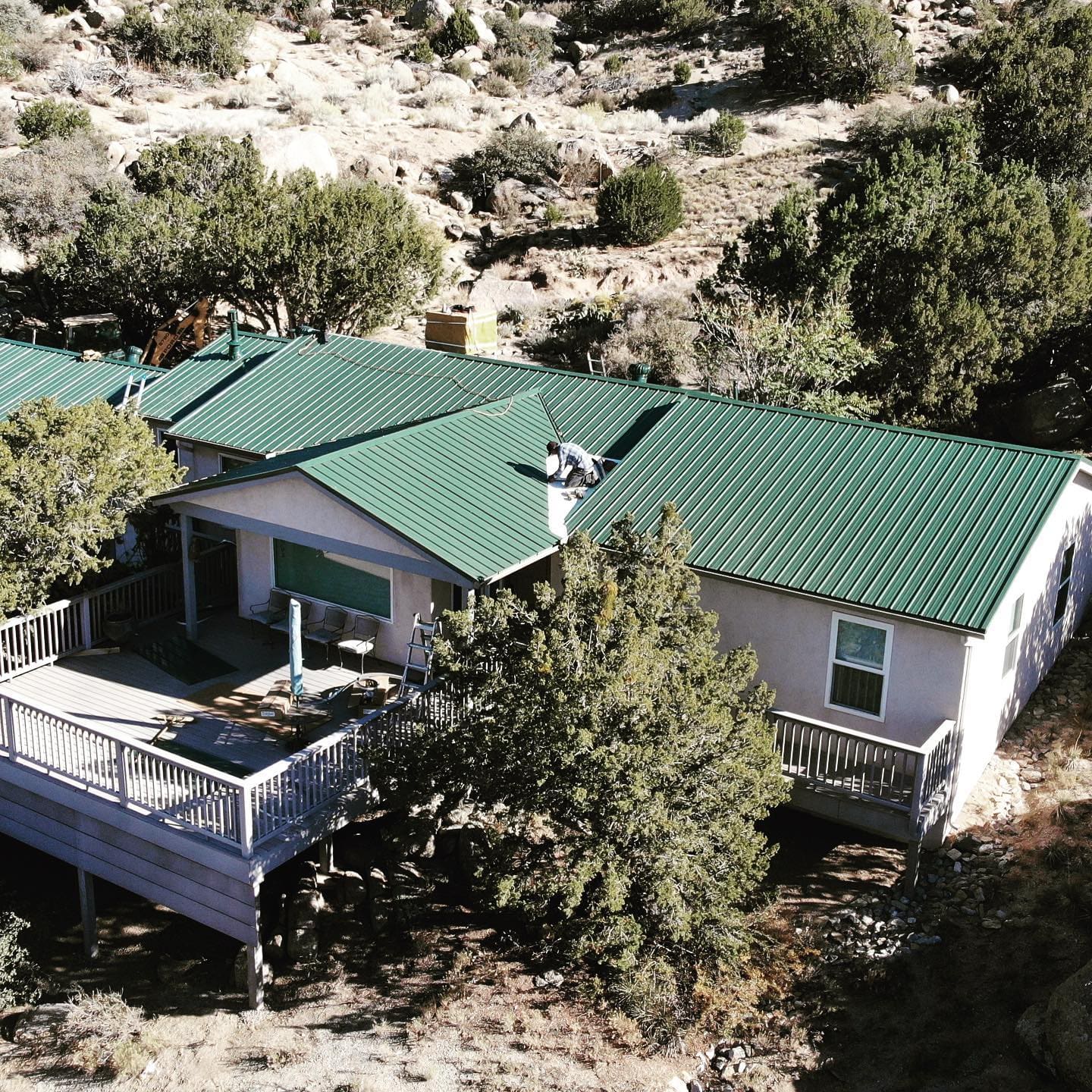
We offer Santa Fe roofing that lasts! Residential roofing done right the first time by Rocky Mountain Roofing Services for your home, your family and your peace of mind.
Rocky Mountain Roofing offers FREE Estimates. Call 505-717-1925
Different Conditions Negatively Imacting Santa Fe Roofs
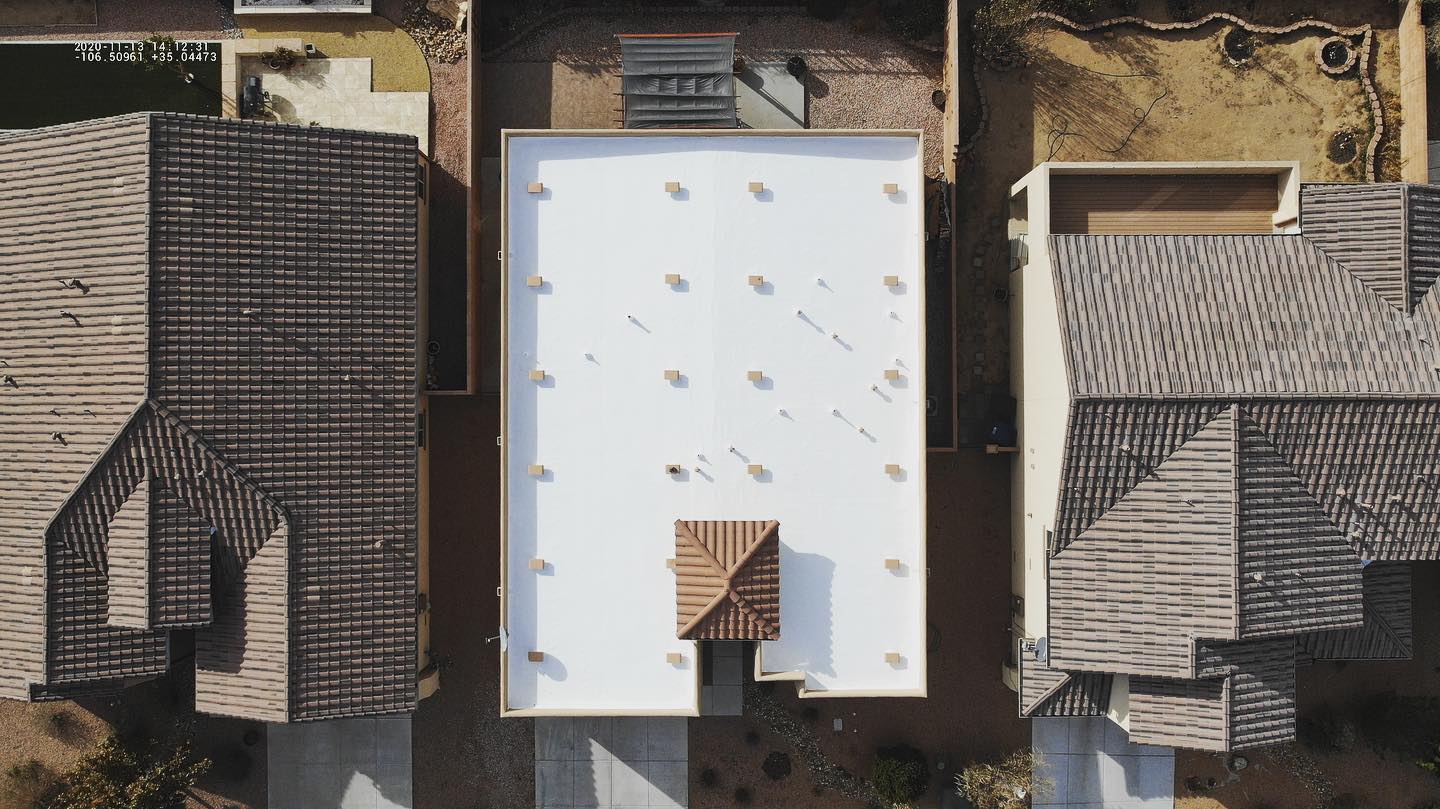
Roofs don’t last as long in New Mexico as they do almost anywhere else in the country. Materials that will serve you for decades in other parts of the country begin to fail sometimes after only ten years here due to the harsh weather conditions including temperature swings, huge rains in the late summer, problems with roof water drainage due to flat roof issues, and ageing of roof underlayment.
Extreme Thermal Cycling: Your roof heats up and cools down 40-50 degrees F every day of the year. Year after year that expansion and contraction loosens screws and nails, tears flashing away from walls, and opens seams.
Monsoon Impact: Heavy rains, high winds, hail: our summer storms can produce gusts over 60 mph. Tiles crack and shift. Shingles lift. And water forces itself into seams that have stayed dry for decades. After the storm you might not even see the damage.
Blocked Drainage: Wind-blown dust accumulates in drains and scuppers. On flat roofs, obstructed drainage means ponding water. And ponding water shortens a roof’s life by attacking the membrane faster than any other factor.
Wearing Away Of Underlayment: Tile roofs don’t actually wear down…their underlayment does. You can’t see washed-out underlayments from the street. We look at your roof from the top down, too.
Factors a Majority of Roof Inspections Don't Catch
There are plenty of ways to perform a “roof inspection” that DON’T actually help you assess your roof condition. We’ve chased countless inspections that assured the homeowner their roof was fine-only to find blatantly visible problems within minutes of stepping onto the roof.
“Aerial” Roof Inspections: Believe it or not, some inspectors will never even step foot on your roof. They’ll inspect it with binoculars, walk the perimeter of the house, maybe ascend a ladder and look over the roof edge. You can’t evaluate flashing seals, pipe boot conditions or delaminated areas of decking from 20 feet away.
Entry Level Home Inspectors: General home inspectors verify the condition of over 400 different components in your home in only a few hours. From electrical to plumbing, HVAC to foundation, roof to attic. Roofing is simply one box they have to check on an extremely long list. Most general home inspectors aren’t trained to track the path water may have entered nor do they know how to recognize hail damage or evaluate underlayment on a tile roof.
Overlooking those “Inconvenient” Areas: Where do you think roof leaks start? Around penetrations! valleys, roof-wall transitions, chimneys, anywhere flashing was installed, around skylights. Same places that are hardest to access and most likely for an inspector to overlook. If your inspector inspected the field of your roof but didn’t get up close to each and every penetration and transition, they likely didn’t inspect where most leaks begin.
No Record of your Inspection: “Hey your roof looks fine to me.” is not very valuable when you’re midway through an insurance claim, in the middle of negotiating a home sale, or trying to remember what that roofer said two years ago. If your inspection wasn’t documented with photos and written findings it probably wasn’t a very thorough inspection.
Types of Roof Inspections We Perform
All roof types are found throughout Santa Fe and surrounding Santa Fe area residential, commercial, and multifamily roofs. Inspection methods vary by material but the objectives remain the same: Identify what's failing, what's about to fail, and what's good for now. Featured below are the roof types Rocky Mountain Roofing Services inspects in Santa Fe.
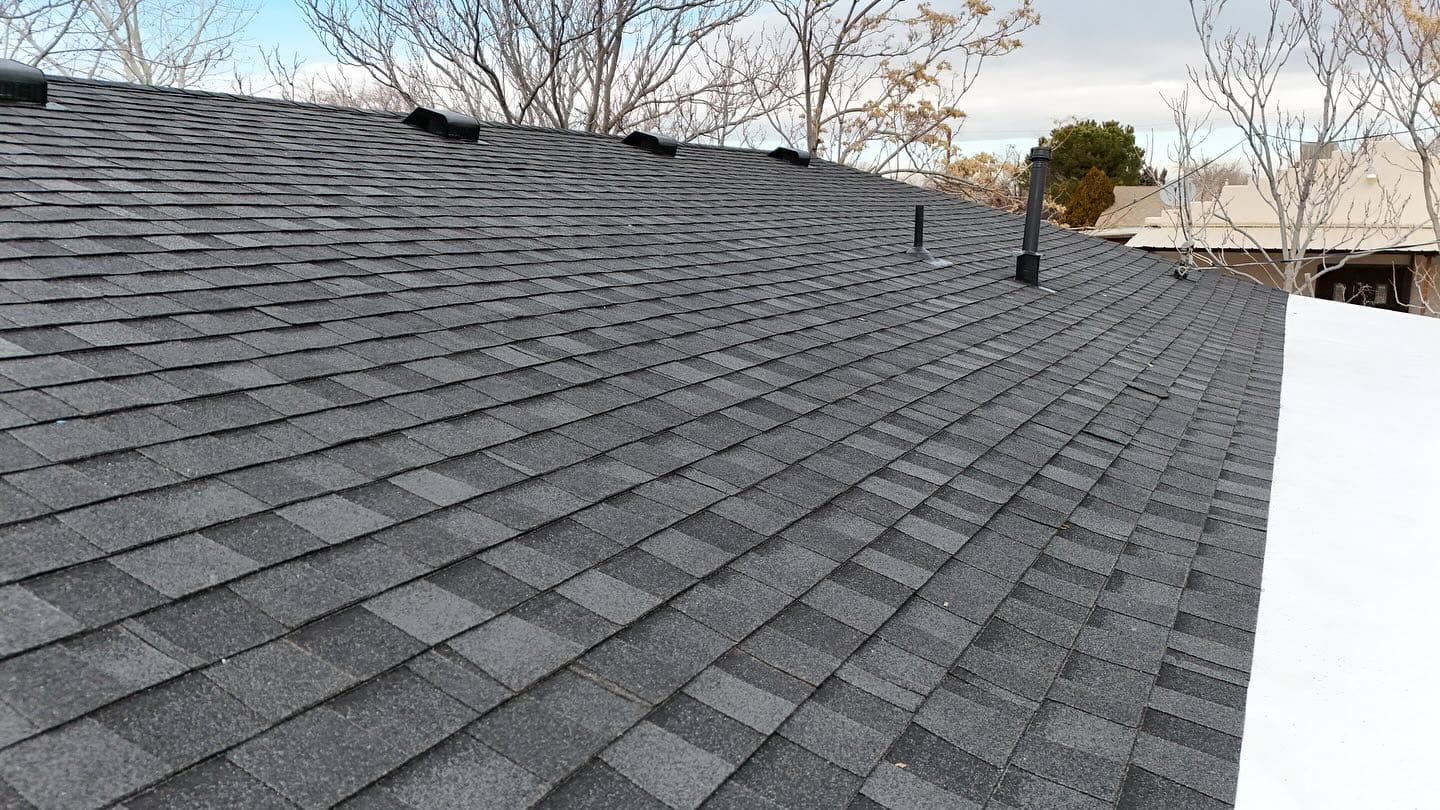
Asphalt Shingle Roofs: Loss of granules, curling, lifted tabs, and nail pops. Wall, chimney, skylight, and vent flashing. Pattern of storm damage. History of repairs.
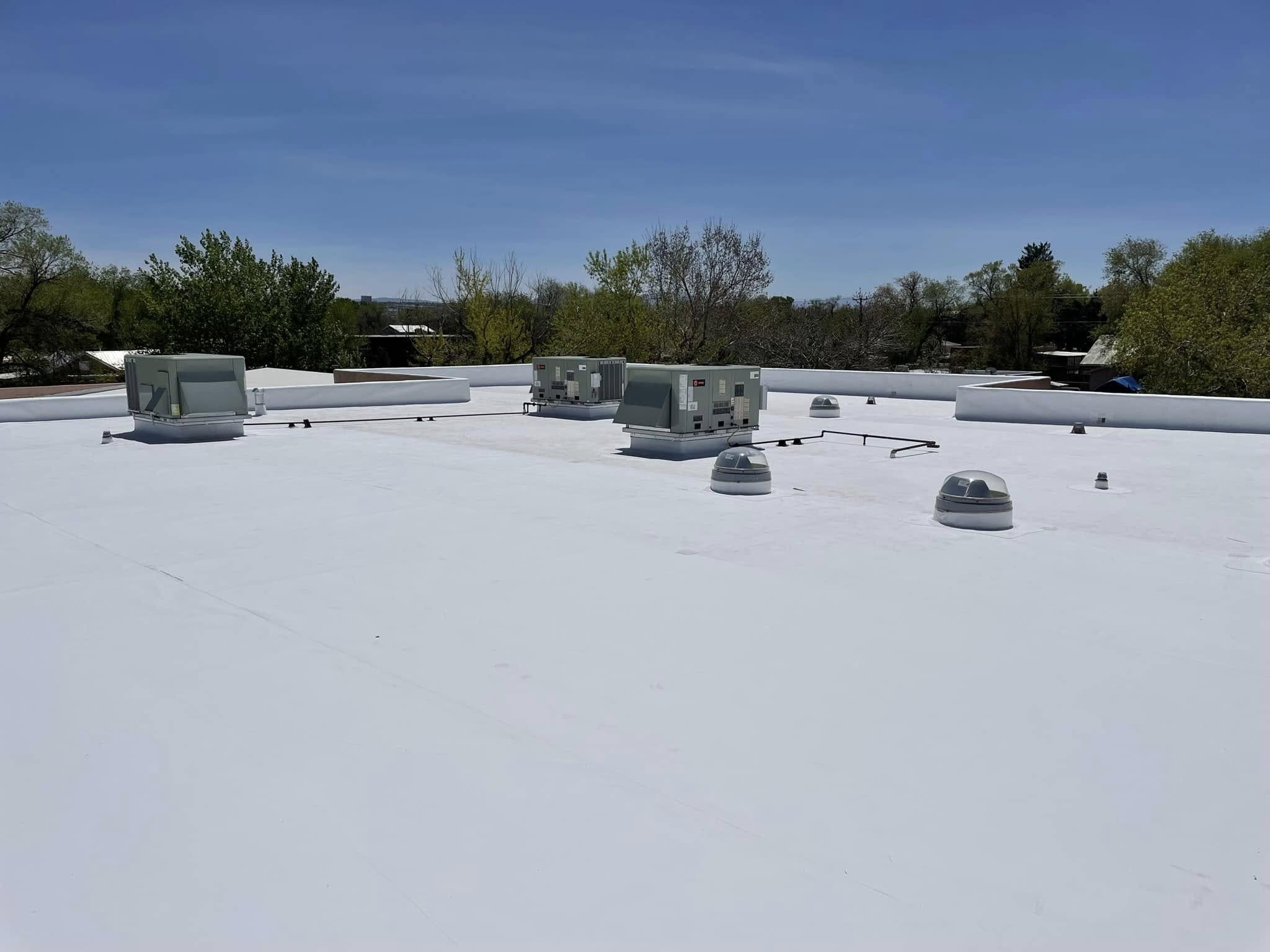
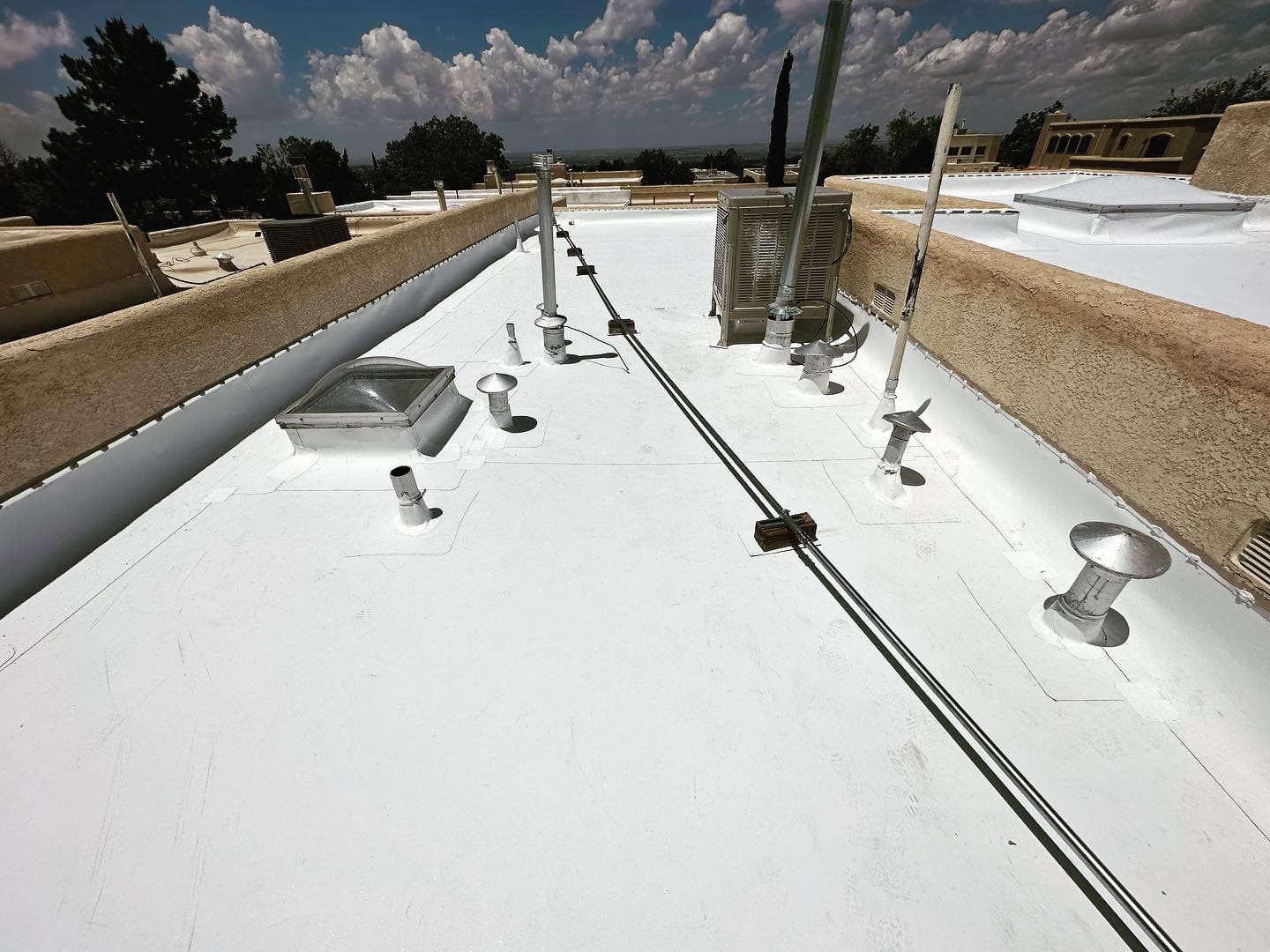
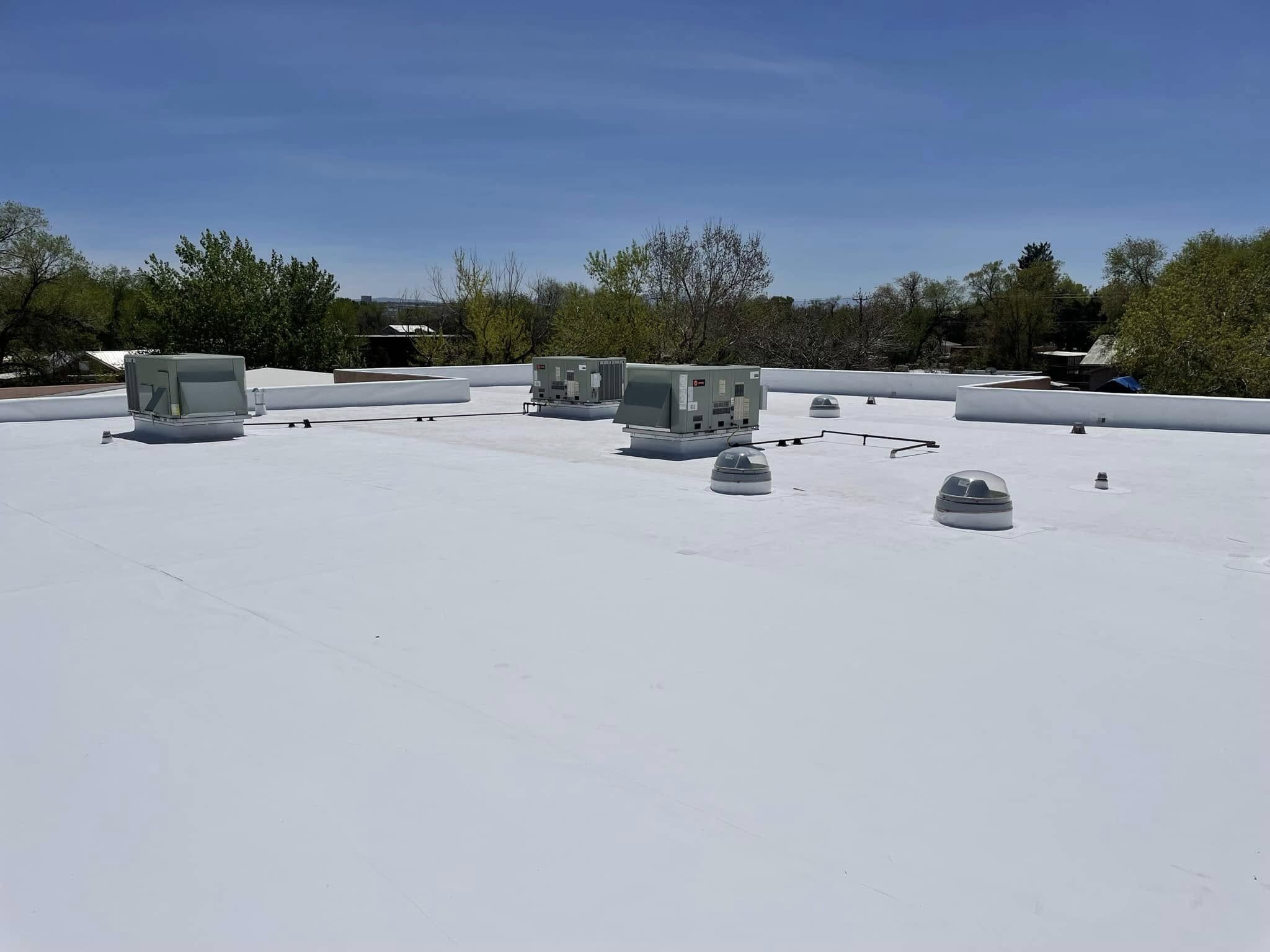
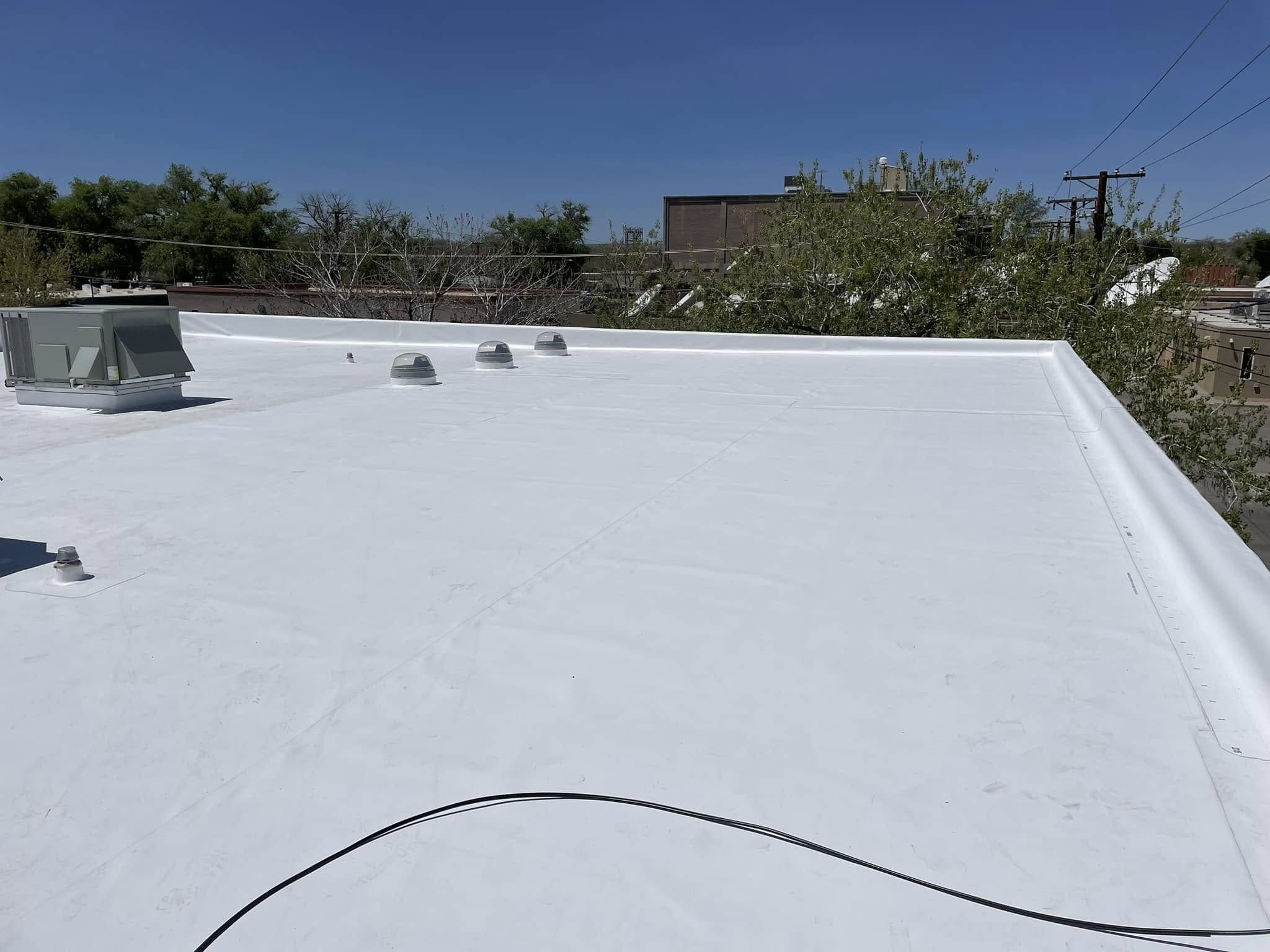
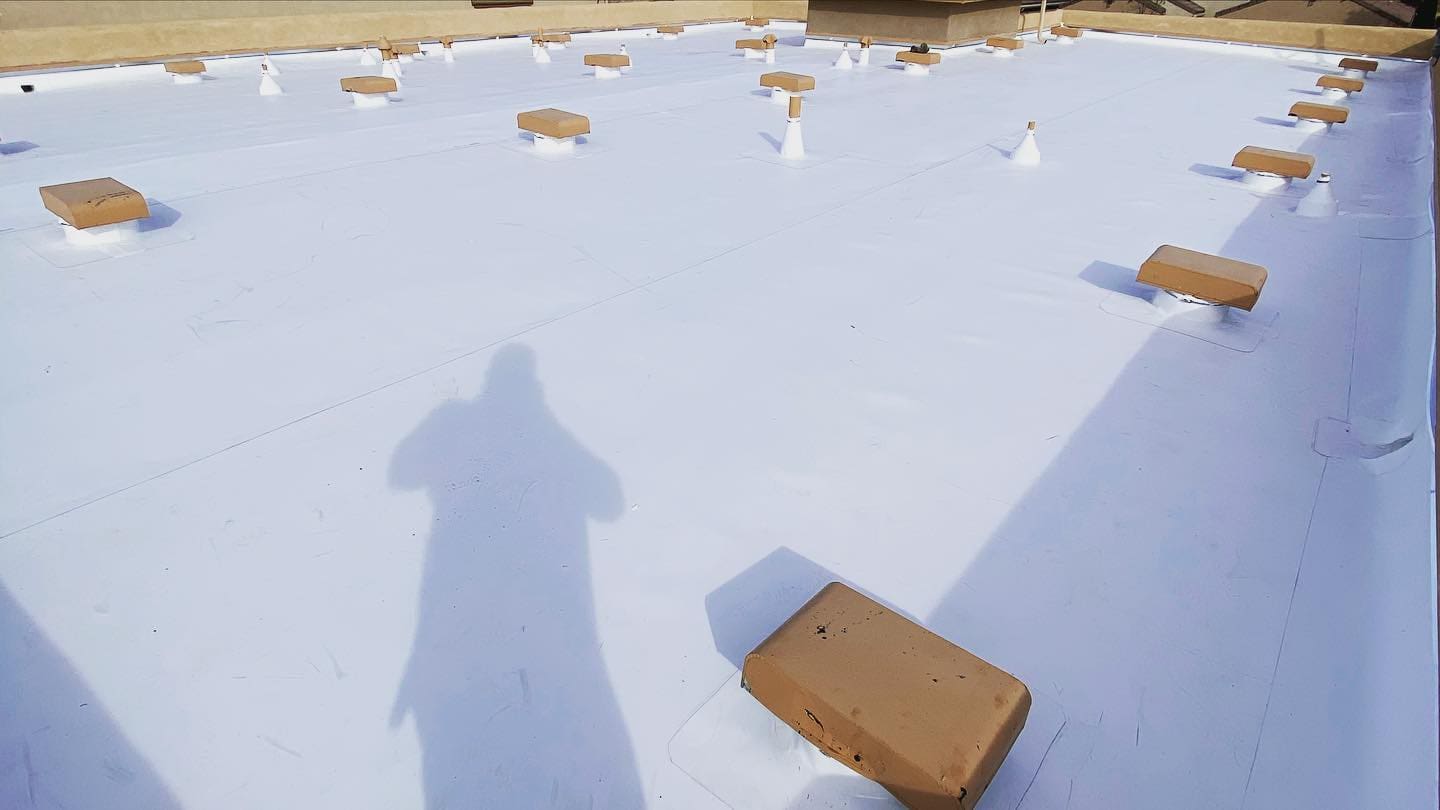
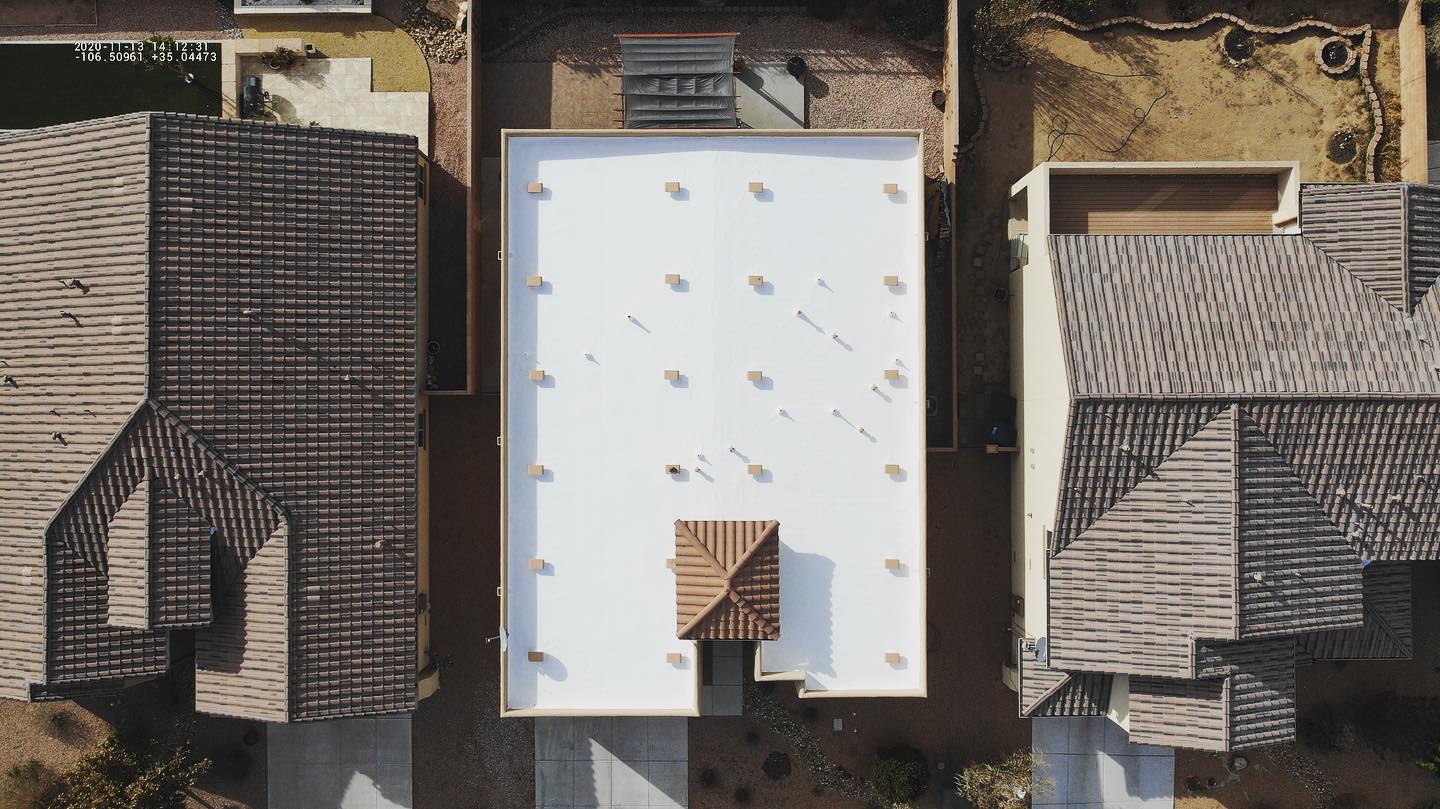
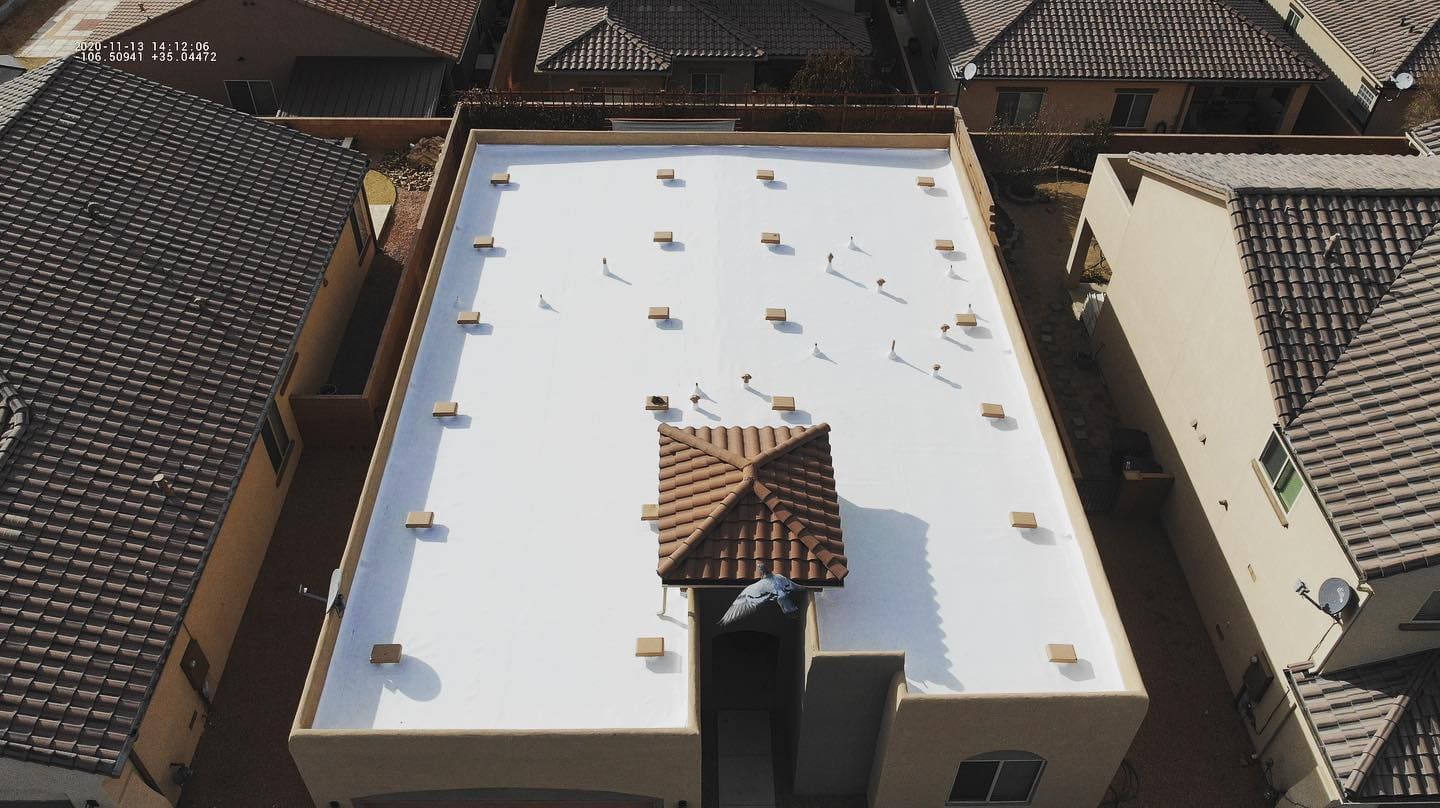
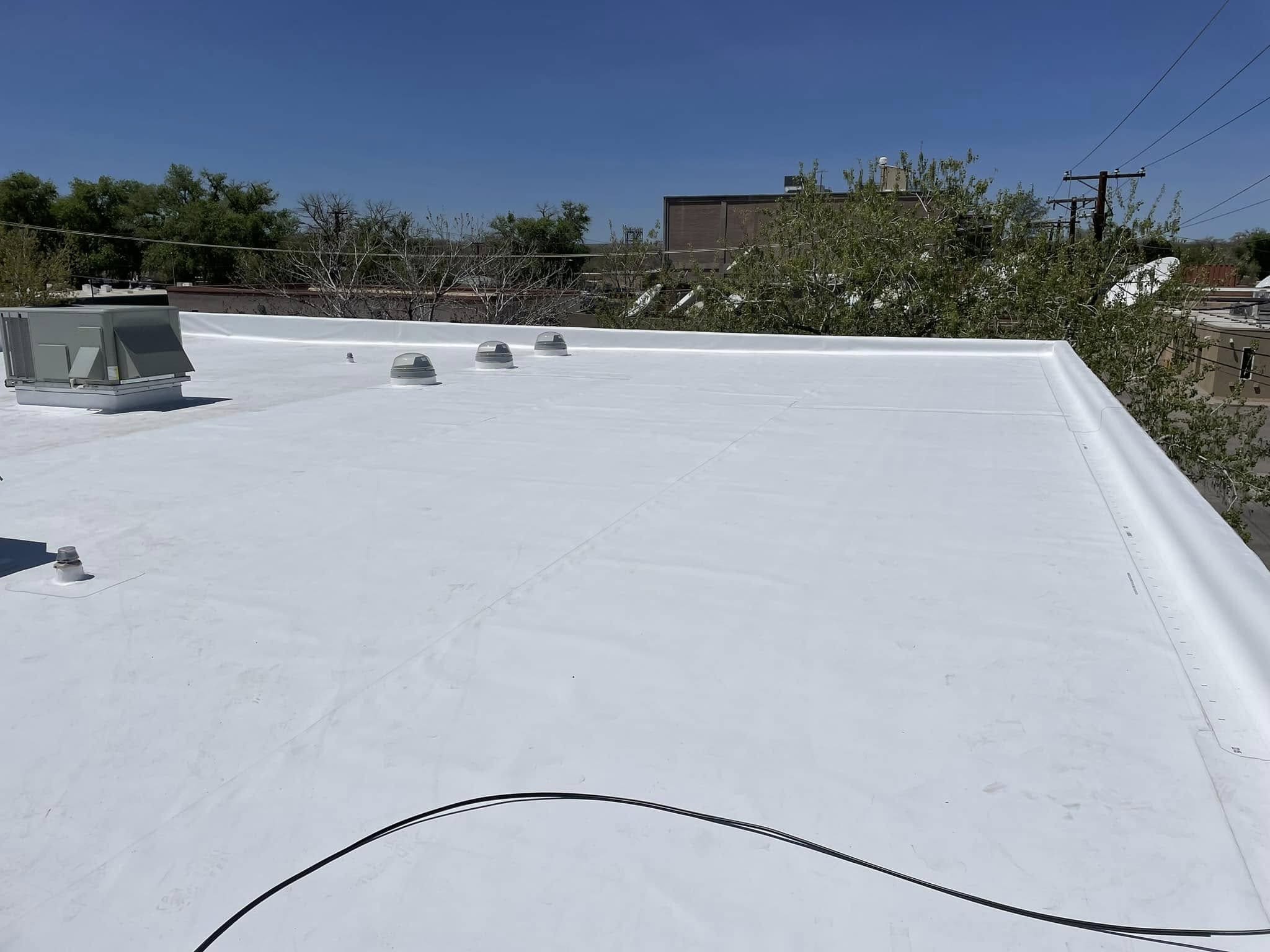
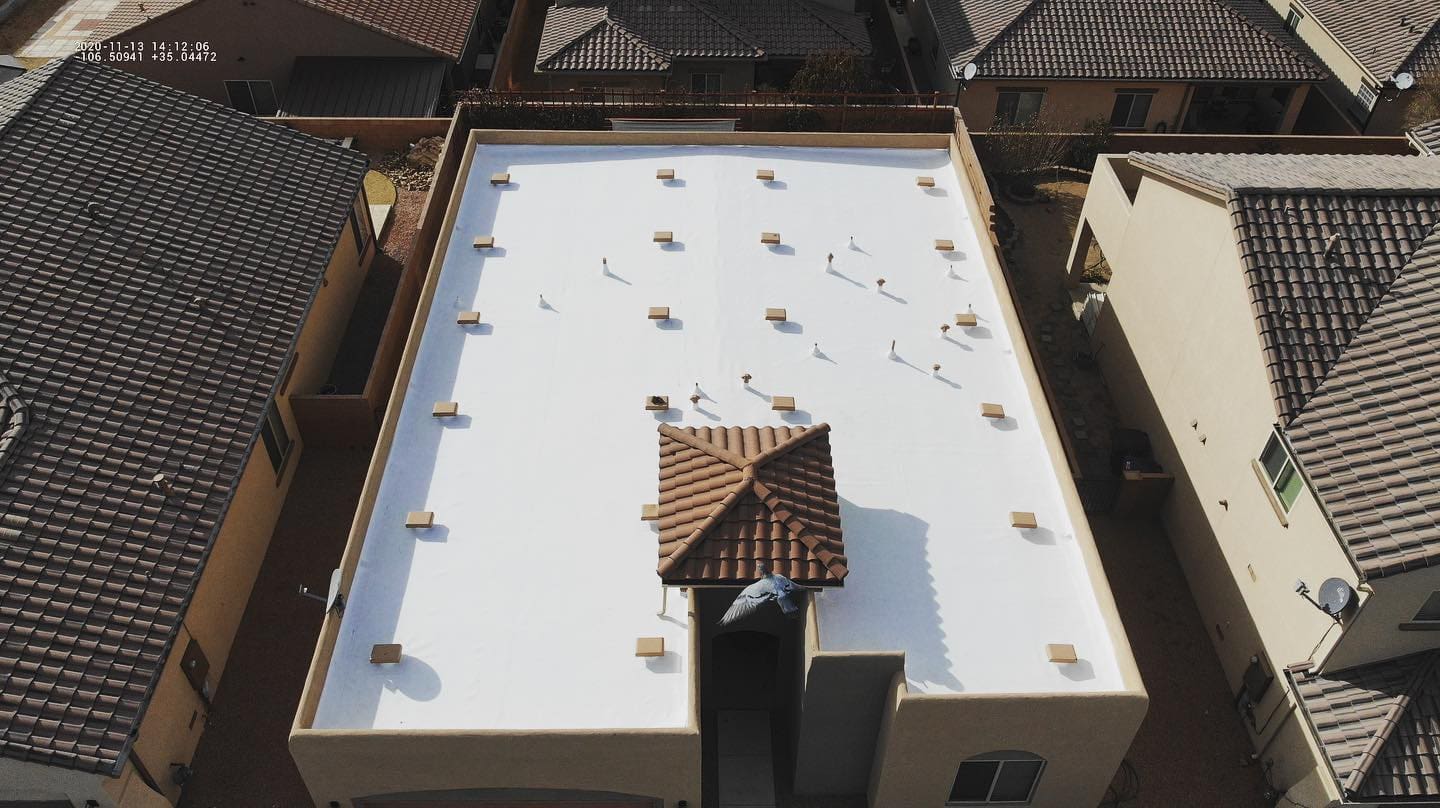
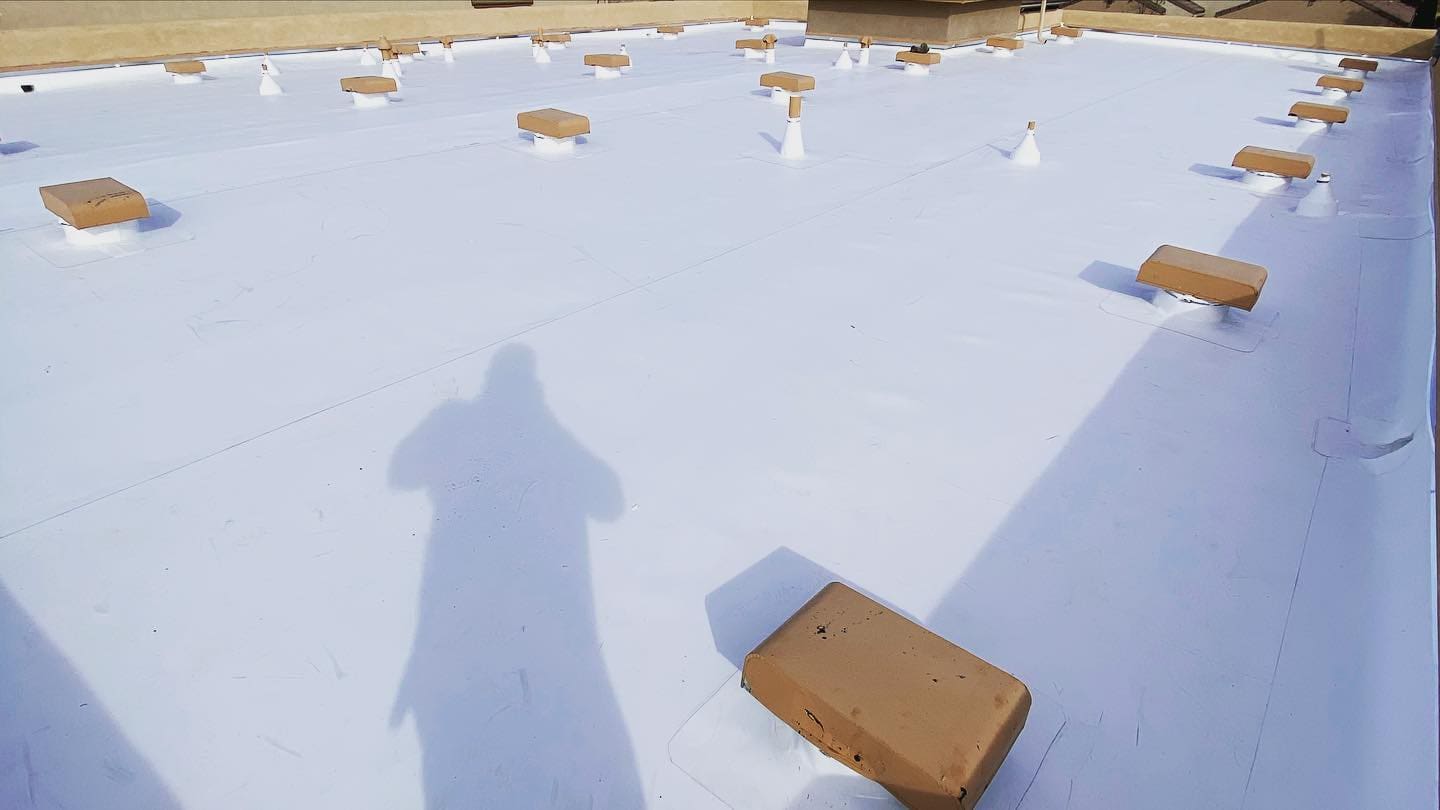
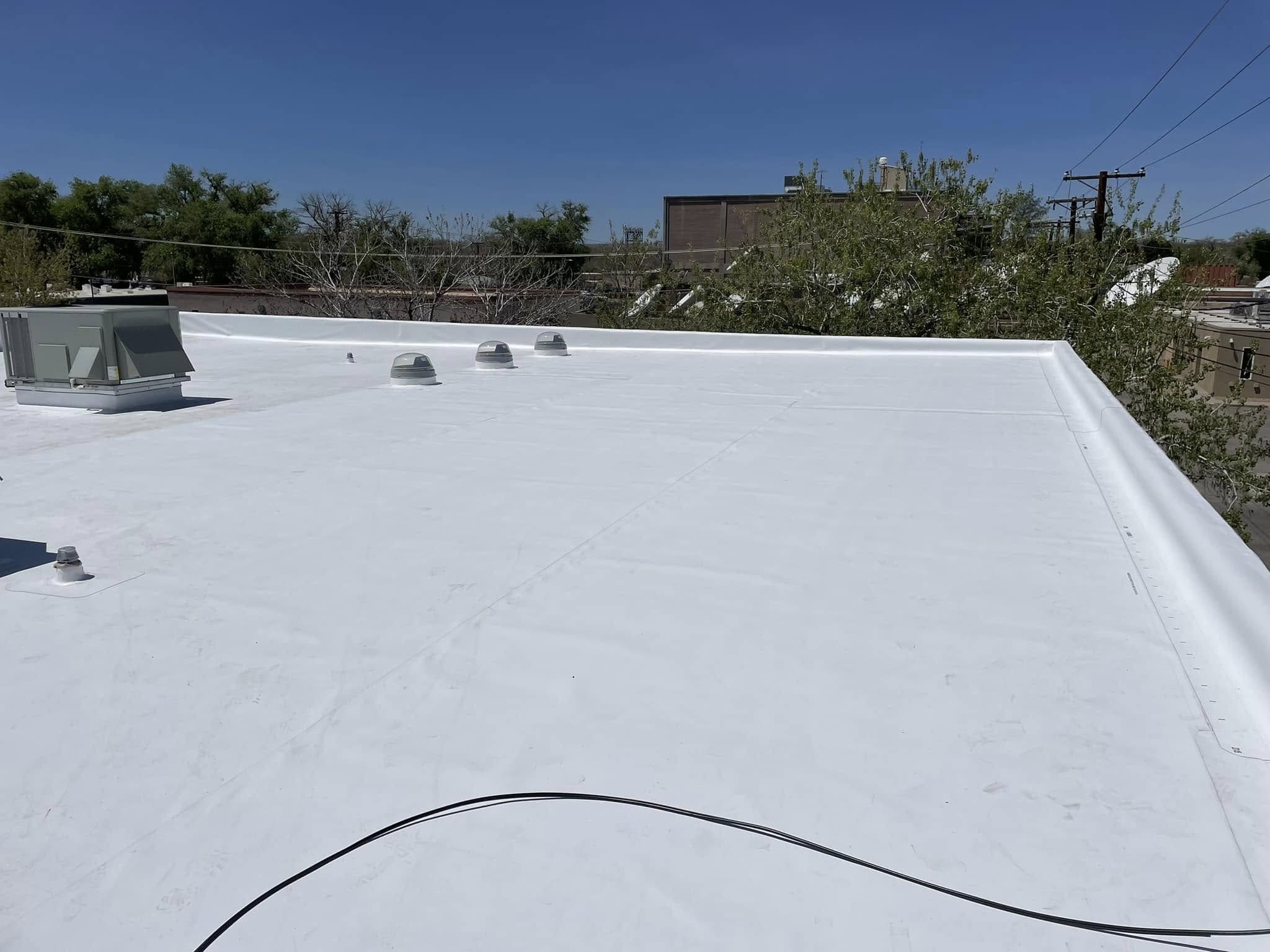
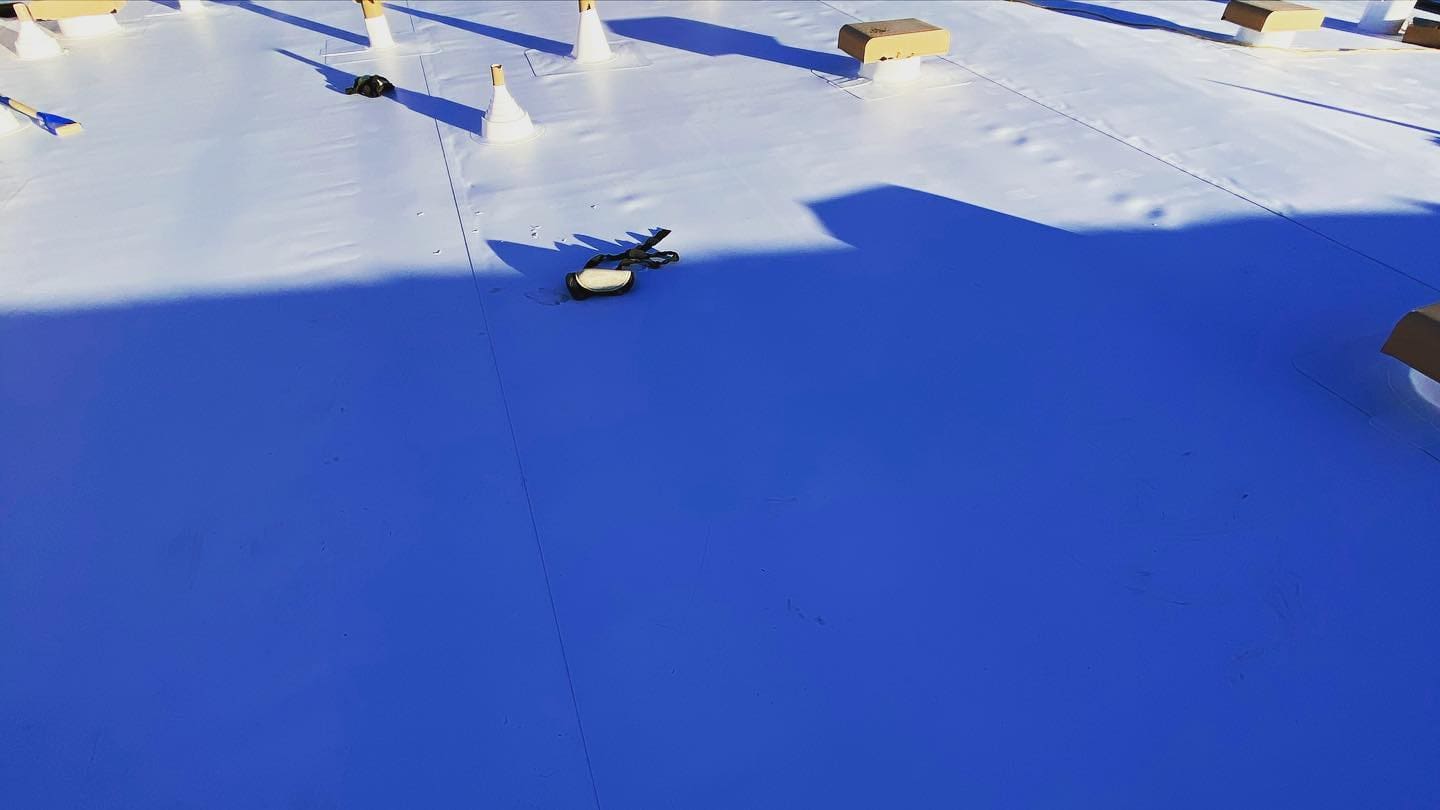
Flat Roof Systems: TPO, modified bitumen, built-up, single-ply and more. We walk the entire roof looking for membrane holes, separated seams, blisters, and ponding water. Inspecting drains, scuppers, and edge details.
Foam Roofs: Thickness of the coating and signs of UV deterioration. Foot traffic, dropped tools, or birds can cause punctures. Penetrations and how the roof was terminated around edges. Areas that just need recoating vs. areas with underlying damage.
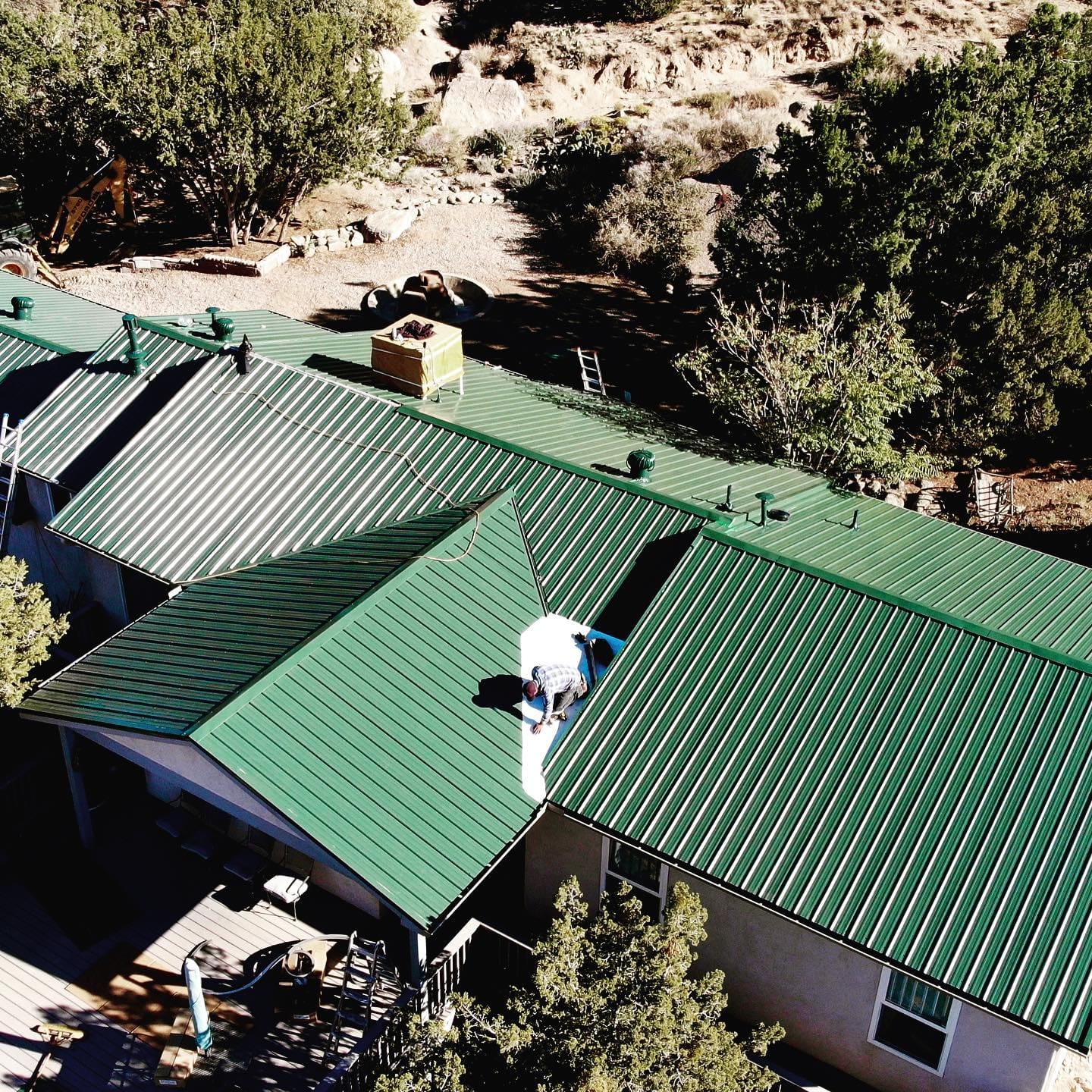
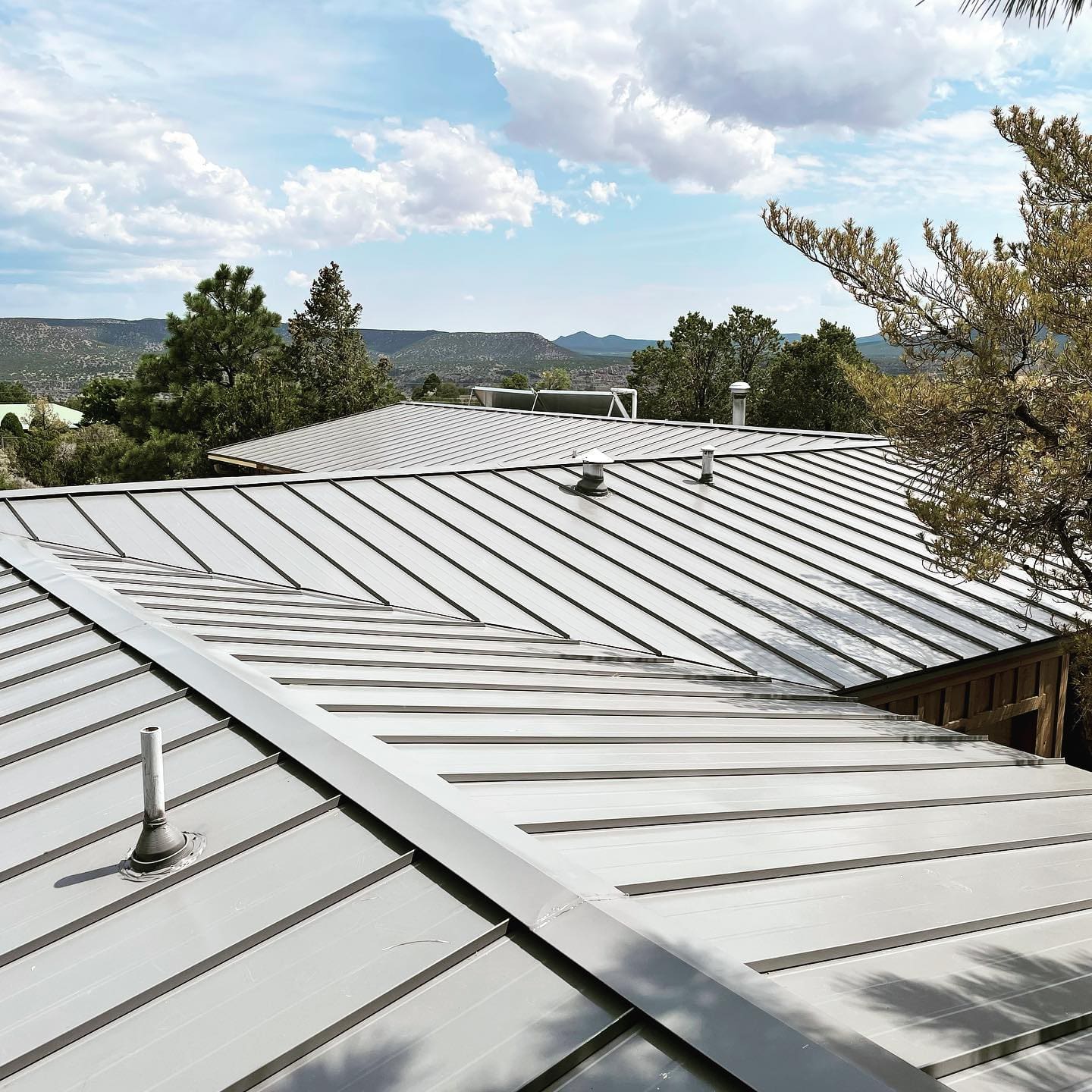
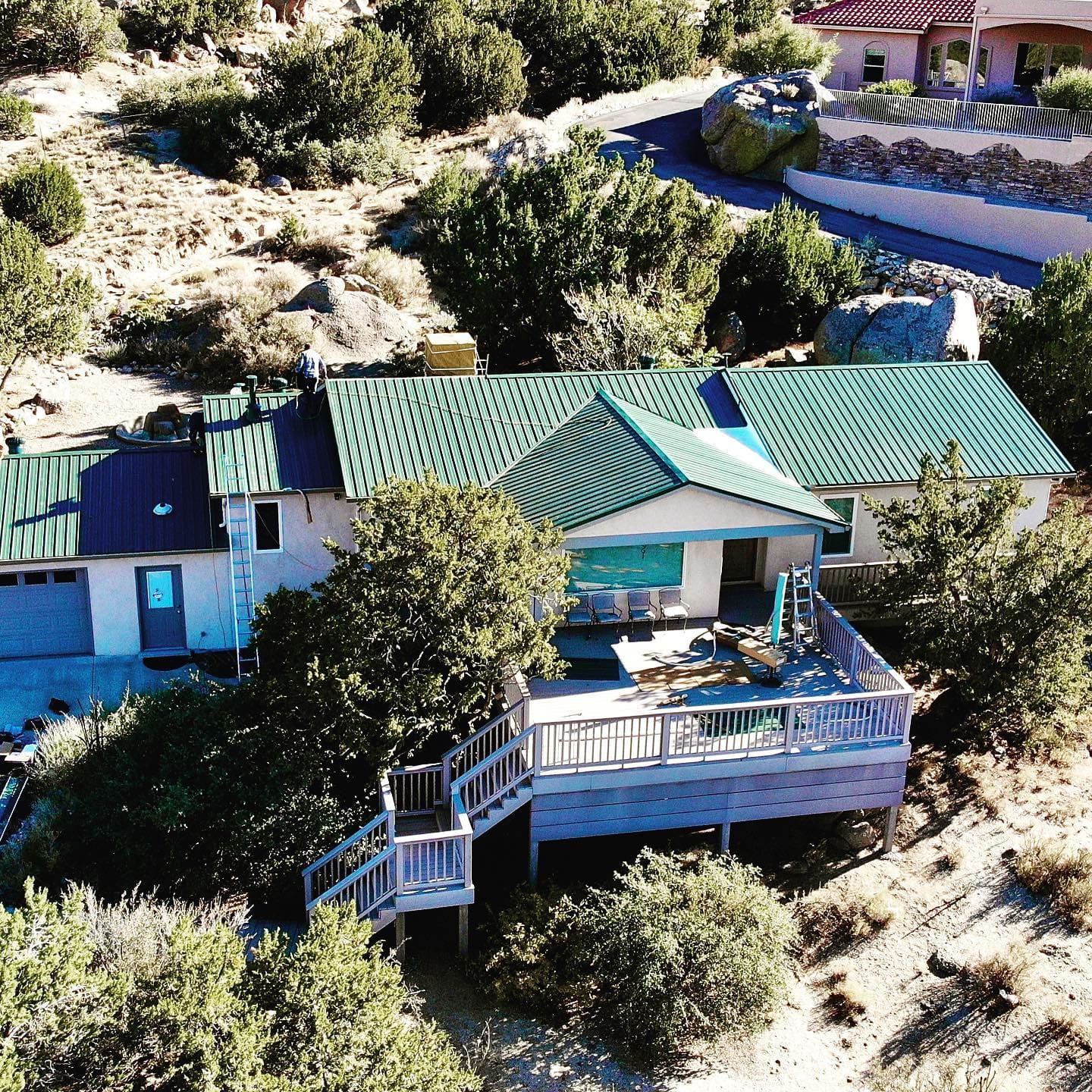
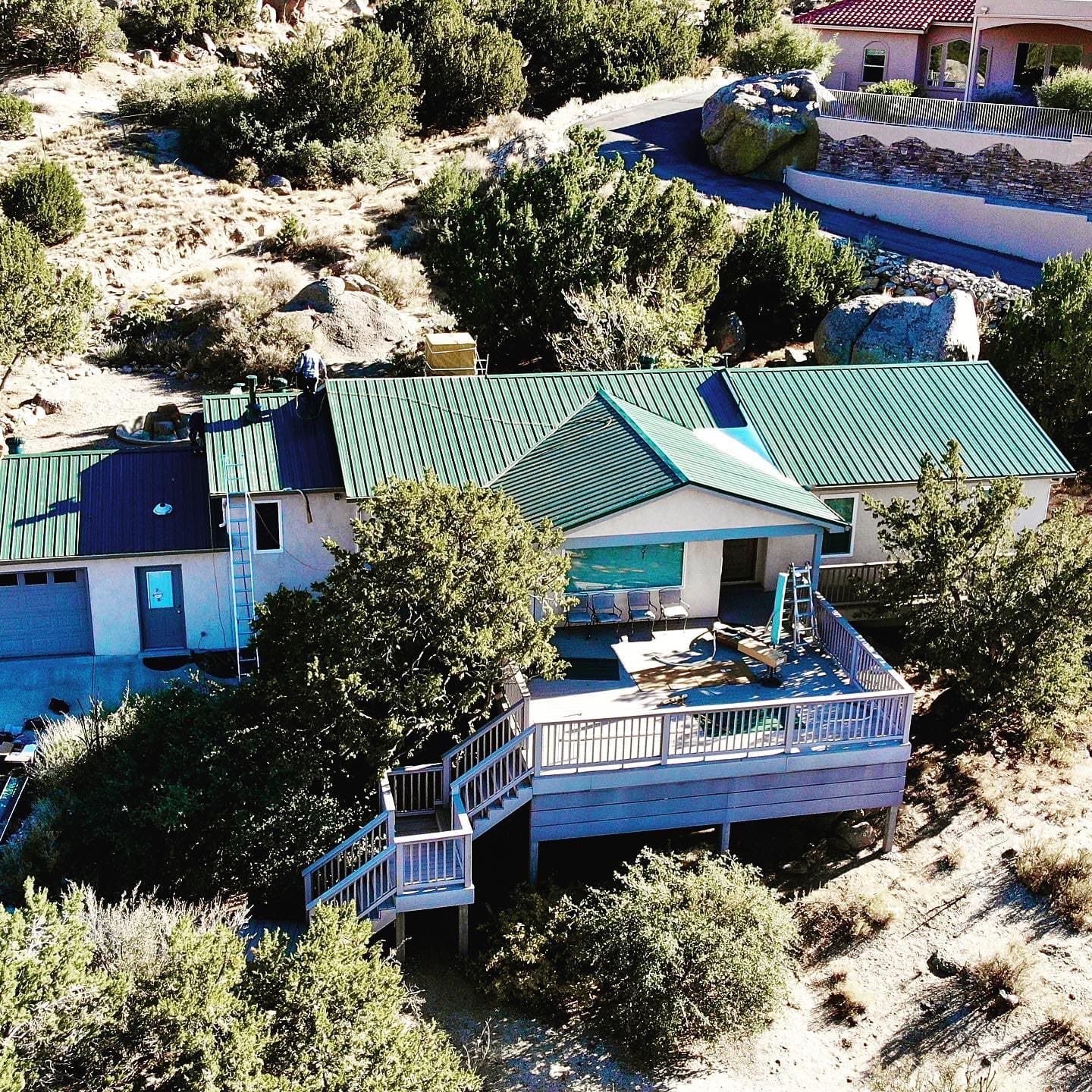
Metal Roofs: Condition of fasteners, sealant at seams and penetrations, rust spots, and damaged panels. Was allowance made for thermal movement? What about storm damage?
Commercial & Multi-family: We use the same level of scrutiny with commercial properties, just different reporting. Reports designed with property managers, HOA's, and ownership groups in mind. Complete with photos, findings, repair priorities, and budget estimates.
Rocky Mountain Roofing Service Roof Inspection Process
Complete Roof Inspection: We Get on Roof – Always. During every inspection we begin at the parts of your roof that fail first here in New Mexico: Flashings at walls, chimneys and skylights. Pipe boots and vent collars. Valleys where water tends to pool. Prior repairs. Then we fan out to examine the field of the roof.
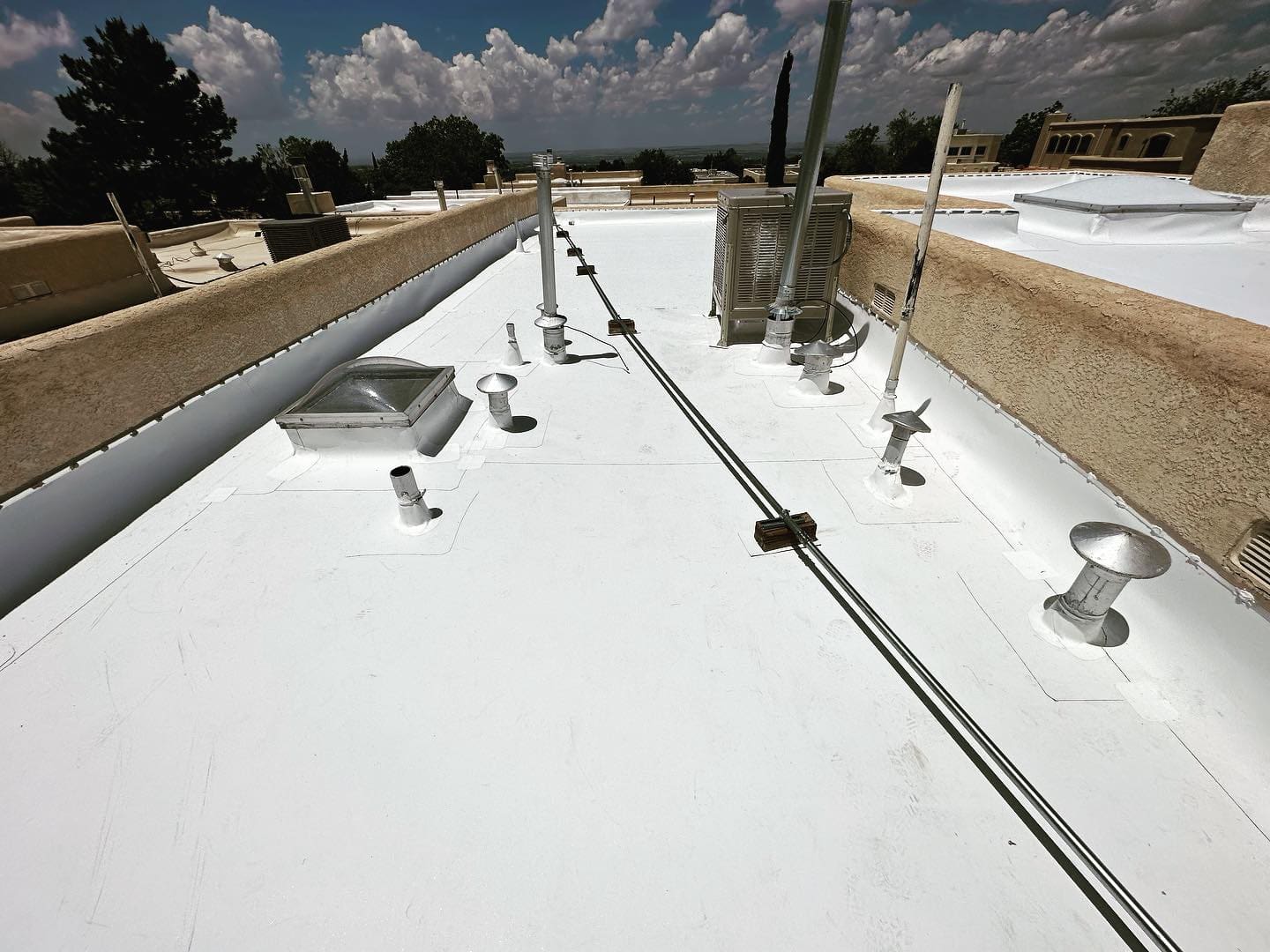
Penetration and Transition Inspection: Every roof penetration creates the opportunity for leakage. It does not matter if it is a flat roof or a metal roof, roof penetrations are often the cause of roof leaks because they are not sealed correctly and the seal is not maintained throughout the year. Rocky Mountain Roofing inspects all pipes, vents, HVAC curbs, satellite mounts and skylights. We always inspect flashing where the roof intersects walls, parapets and equipment curbs. These are typically where leaks begin.
Roof Drainage: Gutters, downspouts, roof drains and scuppers are all inspected for clogs and flow. On flat roofs we identify ponding areas and look for slope issues.
Evaluate Materials: Different roofs have different ways they wear out. Granule loss on asphalt shingles, condition of underlayment on tile roofs, membrane condition on flat roofs and coating thickness on foam roofs. Whatever the roof we’re after how much life remains.
Mandatory Photos: Rocky Mountain roofing photographs all areas of concern, problem areas and overall condition of the roof. Because we take roof inspection photos you’ll be able to see exactly what we see.
Do you need your Santa Fe roof inspection right away? Please tap on the TAP TO CALL button below to talk to us immediately